

Wildlife conservation could expand India-Sri Lanka cooperation
The gaur, a species once found in Sri Lanka, could serve as a starting point for bilateral biodiversity partnerships.
 Science Desk 2 min read
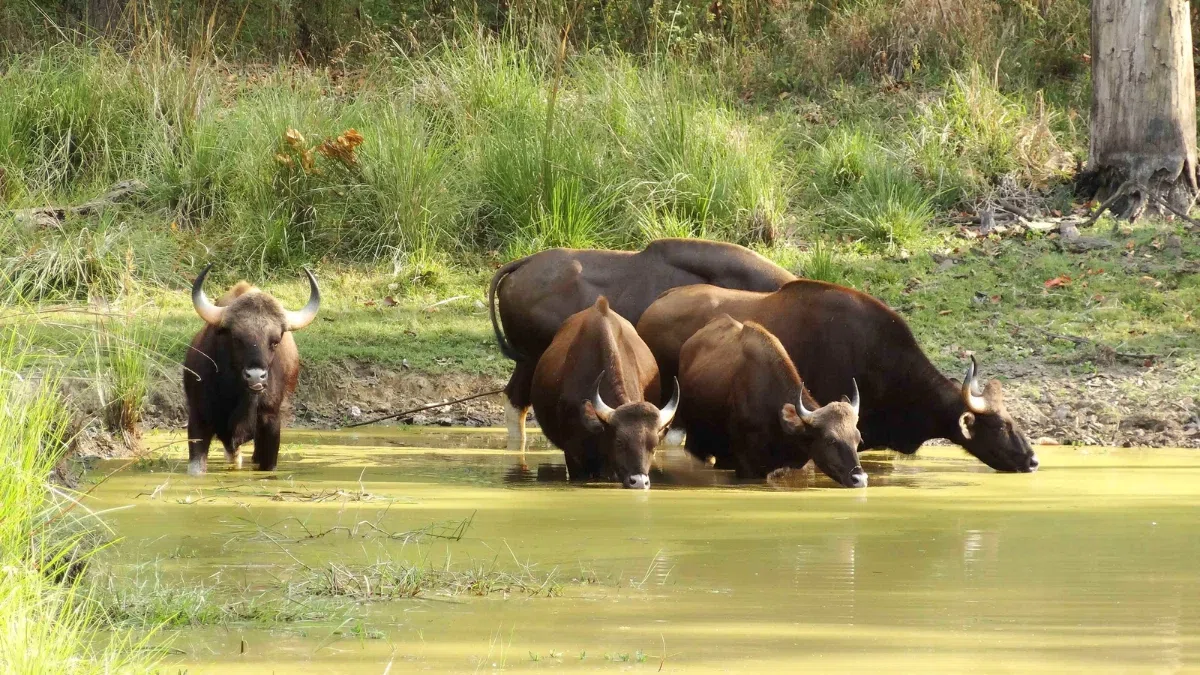
Wildlife conservation could provide a new avenue for bilateral cooperation between India and Sri Lanka by combining scientific expertise with practical solutions to environmental challenges. The gaur, known as the Indian bison, offers a starting point for this partnership. As the world’s largest living wild cattle species, the gaur once inhabited Sri Lanka but has since been extirpated from the island.
Historical accounts from 1681 describe the animal, which English East India Company sailor Robert Knox called the Gauvera, among animals kept by the Kandyan king. The Sinhala name gavara survives in several local place names, including Gawaragane, Gawaragiriya, Gawarammana, Gawarawela, and Gawaratenna.
A feasibility study involving zoological authorities and conservation institutions from both countries would be required to assess animal welfare, veterinary capacity, breeding requirements, and long-term costs. If findings are favourable, the two governments could explore India providing animals or technical expertise. An immediate objective would be a well-managed captive herd for conservation, research, and education, rather than releasing animals into the wild.
Both nations face similar challenges regarding human-wildlife conflict, such as crop destruction and loss of life. Sri Lanka could build on existing platforms like its participation in India’s International Big Cat Alliance to promote scientific collaboration and wildlife diplomacy.
Sri Lanka possesses a community of wildlife experts, researchers, and naturalists to contribute to these efforts. Cooperation could also include joint research, professional exchanges, and veterinary cooperation to reduce conflict between people and wildlife.
Key facts
- The gaur, or Indian bison, is the world's largest living wild cattle species and once lived in Sri Lanka.
- Sri Lanka participates in India's International Big Cat Alliance to promote conservation cooperation.
- A proposed gaur initiative would focus on a managed captive herd for research and education rather than wild release.
Three perspectives
Neutral
India and Sri Lanka share similar wildlife and environmental conditions that could facilitate bilateral conservation cooperation.
Positive
Wildlife conservation offers a way to combine scientific expertise with practical solutions to environmental challenges.
Negative
Human-elephant conflict and other wildlife interactions continue to claim lives and destroy crops in both countries.
Your week in news, every Wednesday
The biggest stories of the week for your edition, in your inbox every Wednesday morning, your time. Free, and you can unsubscribe at any time.