

 United States
Drug-resistant infections kill more than 50,000 people annually in U.S.
The Centers for Disease Control and Prevention identified resistant infections as one of the most pressing public health threats.
 Health Desk 1 min read
More than 50,000 people in the U.S. die each year from infections that are resistant to existing treatments, the Centers for Disease Control and Prevention reported Tuesday.
The agency considers these infections to be one of the most pressing public health issues. The agency also considers the problem to be one of the most urgent public health threats.
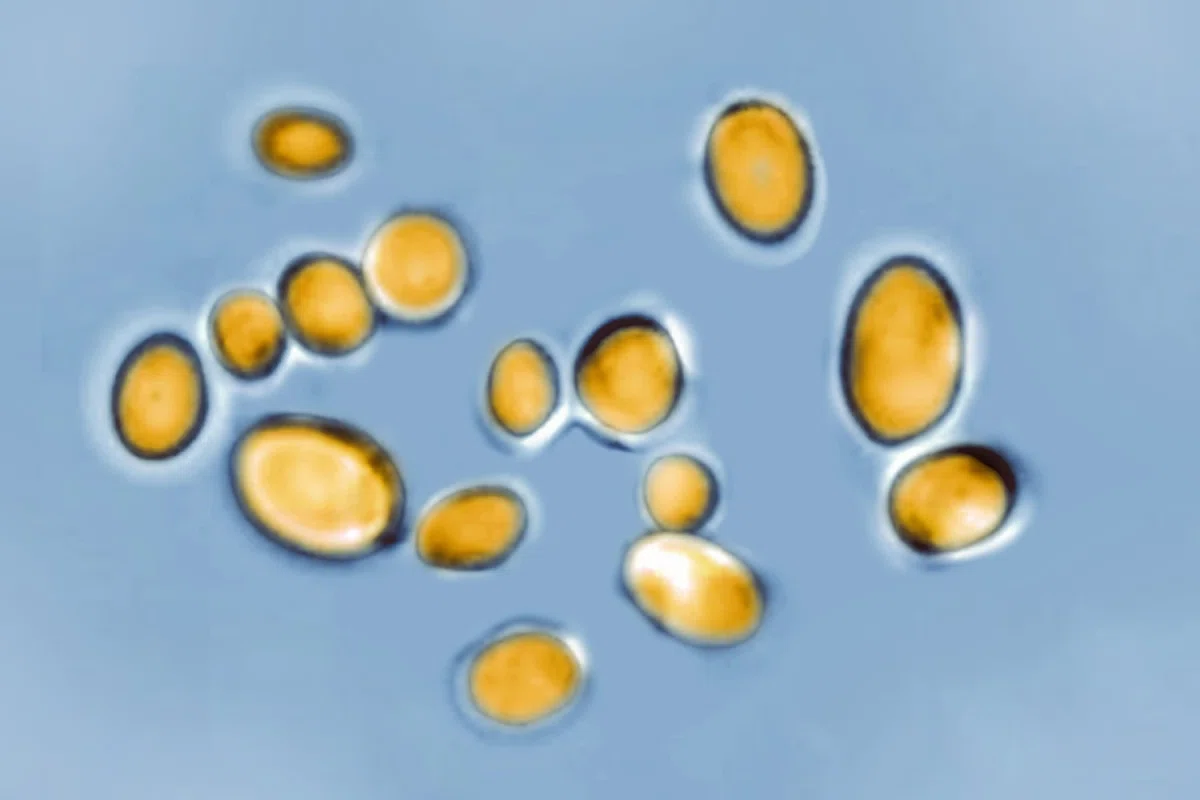
A new report ranks the germs that pose the most urgent threats. One such drug-resistant germ is Candida auris.
Key facts
- More than 50,000 people in the U.S. die each year from infections resistant to existing treatments.
- The Centers for Disease Control and Prevention considers these infections one of the most pressing public health issues.
Three perspectives
Neutral
The Centers for Disease Control and Prevention released a report ranking germs that pose urgent threats.
Positive
The agency has identified and ranked the germs that pose the most urgent threats.
Negative
More than 50,000 people in the U.S. die annually from infections resistant to existing treatments.
Your week in news, every Wednesday
The biggest stories of the week for your edition, in your inbox every Wednesday morning, your time. Free, and you can unsubscribe at any time.