 United States
Wastewater bacteria may reveal community health patterns, study finds
Researchers found that gut-associated bacteria in wastewater can be linked to chronic diseases, smoking, and socioeconomic conditions in Ohio communities.
 Health Desk 2 min read
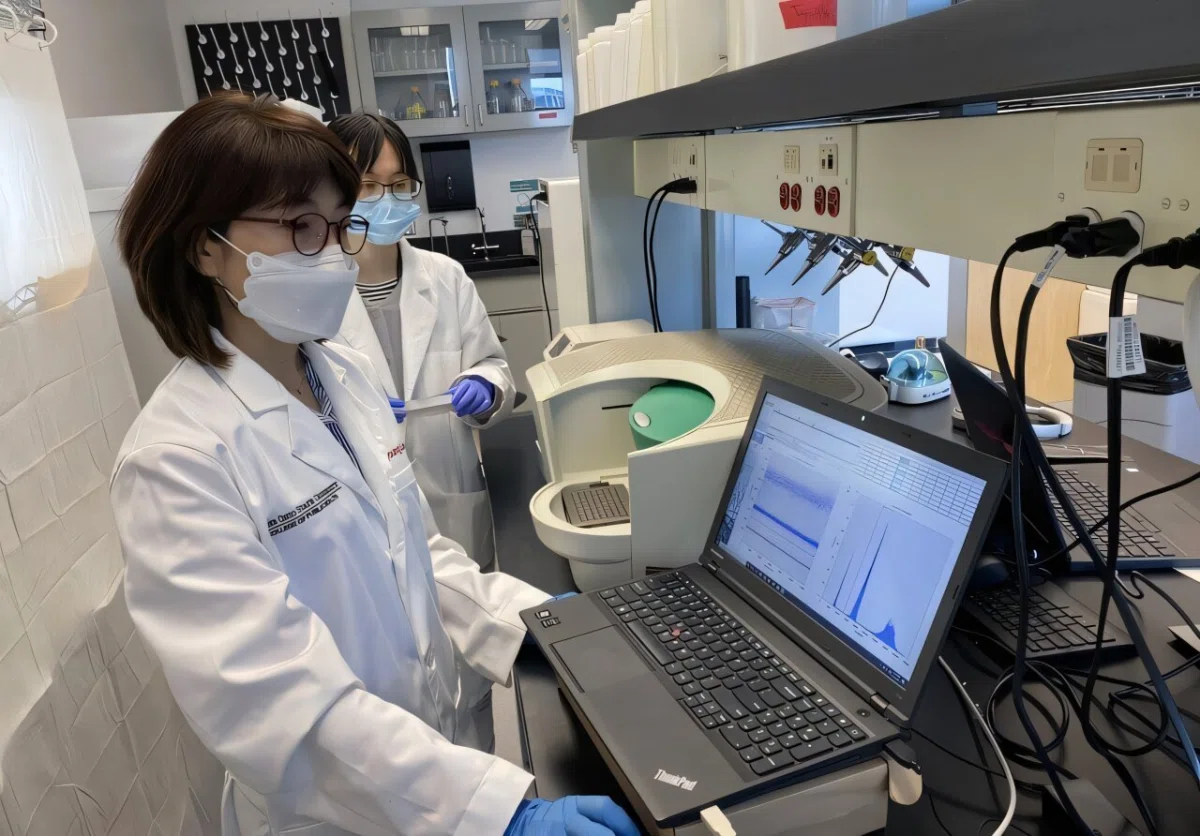
Bacteria found in wastewater may provide clues about community health, including rates of chronic disease, health behaviors, and social conditions. Researchers analyzed 27 wastewater samples from nine treatment plants serving eight Ohio cities in 2022. These communities included a mix of urban and rural areas with more than 1.3 million people.
The team evaluated bacteria found in the human gut and compared those findings with public data on demographics, socioeconomic conditions, health behaviors, and chronic diseases. They observed distinct bacterial profiles across the cities, which highlighted significant differences in the community-wide gut-associated microbiome.
Several types of bacteria were associated with community rates of asthma, obesity, high blood pressure, and other chronic conditions. The study also found associations with physical activity, depression, smoking, and unemployment. One bacterial group, Desulfovibrio, was associated with eight health measures, including stroke, obesity, and high blood pressure.
Rural communities generally had higher rates of several chronic health conditions and a higher abundance of these bacteria. Emma Lancaster, the study's lead author, said seeing these indicators of poorer gut microbiome health in rural areas offers clues to what might be driving worse health outcomes in those areas.
Wastewater monitoring could help public officials and policymakers identify communities facing greater health challenges to direct resources where they are needed. Jiyoung Lee, a professor and chair of environmental health sciences at Ohio State and the study's senior author, said wastewater offers a unique way to understand the health of whole communities rather than just people who visit clinics.
The approach could eventually expand beyond infectious diseases to help evaluate public health efforts, such as assessing if nutrition programs improve gut health. The method already helps track viruses like mpox, flu, and COVID.
Key facts
- Researchers analyzed 27 wastewater samples from nine treatment plants in eight Ohio cities in 2022.
- Bacteria in wastewater were associated with community rates of obesity, high blood pressure, asthma, smoking, and unemployment.
- The bacterial group Desulfovibrio was associated with eight health measures, including stroke and obesity.
- Rural communities showed a higher abundance of these bacteria and higher rates of several chronic health conditions.
Three perspectives
Neutral
Researchers analyzed gut-associated bacteria in wastewater from eight Ohio cities to find links between microbial profiles and community health data.
Positive
Wastewater monitoring could help policymakers identify communities facing health challenges and direct resources where they are needed.
Negative
Rural communities generally had higher rates of several chronic health conditions and a higher abundance of certain bacteria.
Your week in news, every Wednesday
The biggest stories of the week for your edition, in your inbox every Wednesday morning, your time. Free, and you can unsubscribe at any time.