

Community gardens improve nutrition and income in Salima
Families in Salima are growing diverse, nutritious foods through community farming groups to improve health and household incomes.
 Health Desk 2 min read
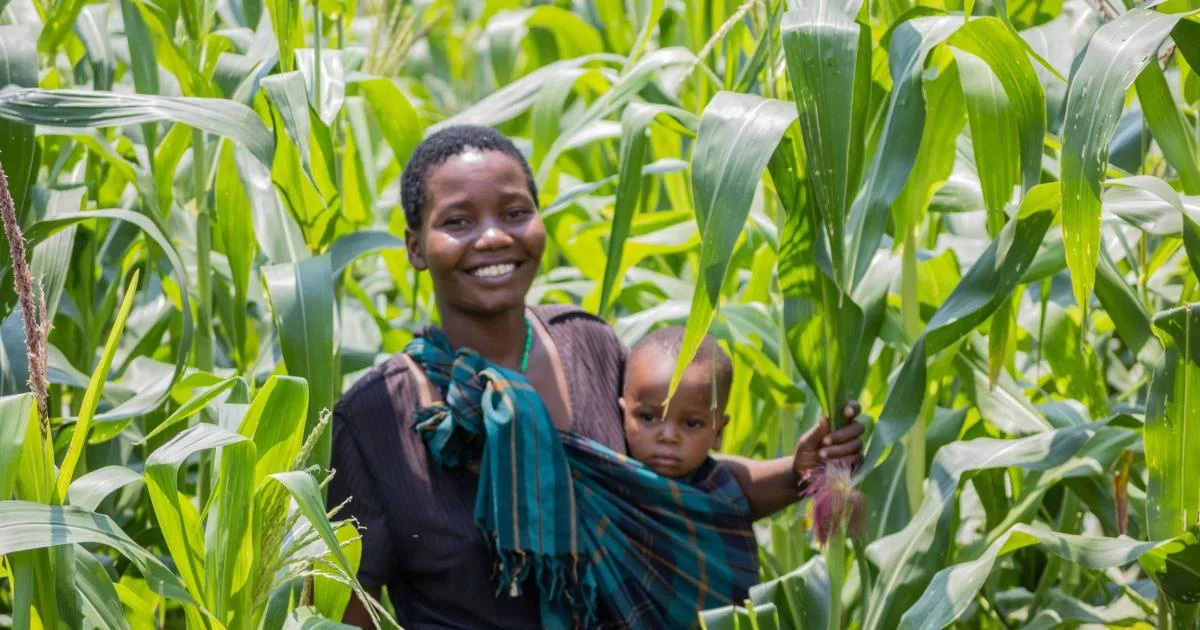
Families in Salima district are growing a wider variety of nutritious foods through community gardens, which is improving diets, health, and household incomes. Mikayere Benedicto, a member of the Kasupe Care Group in Kachilele, said vegetables that were once difficult for his family to obtain are now more readily available. Since joining the group, vegetables have become more available, providing vitamins that help keep his family healthy and strong. He added that children are not falling sick as frequently as before.
The Kasupe Care Group activities are supported through the nutrition component of the Ulimi ndi Chilengedwe (UCHI) Joint Programme. This five-year programme is implemented by UNICEF together with the Government of Malawi and district councils, and is funded by the European Union under its Global Gateway strategy. The nutrition component operates in 10 districts, targeting approximately 400,000 households, including children, adolescents, and pregnant and breastfeeding women.
In Mkhute Village, under Traditional Authority Kambwiri, Maureen Thomas has planted maize, tomatoes, okra, mustard greens, and Chinese cabbage in her garden. Thomas said gardening improved her household's access to food and created opportunities to earn money by selling surplus produce. She noted that her children used to fall sick frequently, but this has improved as they now eat a variety of foods from the six food groups.
Farmers in the groups support production through practices such as crop rotation and preparing manure from locally available materials. While Thomas uses a pump to water her individual plot, the communal garden has no pump, forcing members to draw water from the nearby Kasupe stream. Daudi Mkanya, an agricultural extension worker in the Katelera Extension Planning Area, said rain-fed agriculture is becoming unreliable.
The lack of suitable irrigation equipment limits the ability of members to sustain and expand production, particularly when rainfall is unreliable. Although irrigation allows farmers to produce additional food beyond the rainy season, competition for river water and limited access to equipment remain obstacles to higher productivity.
Key facts
- The UCHI programme nutrition component targets 400,000 households in 10 districts.
- Kasupe Care Group has expanded from fewer than 30 members to more than 40 members.
- The UCHI programme is funded by the European Union under its Global Gateway strategy.
Three perspectives
Neutral
Community gardens in Salima help families diversify diets and produce food beyond the rainy season.
Positive
Gardening has improved household access to food and provided opportunities to earn money by selling surplus produce.
Negative
The lack of suitable irrigation equipment and competition for river water limit the ability to expand production.
Your week in news, every Wednesday
The biggest stories of the week for your edition, in your inbox every Wednesday morning, your time. Free, and you can unsubscribe at any time.