 United States
Israel election results leave no clear winner as blocs fall short of majority
Nearly 90 percent of ballots counted show Benjamin Netanyahu's bloc and the opposition both failing to reach the 61 seats needed to form a government.
 World Desk 2 min read
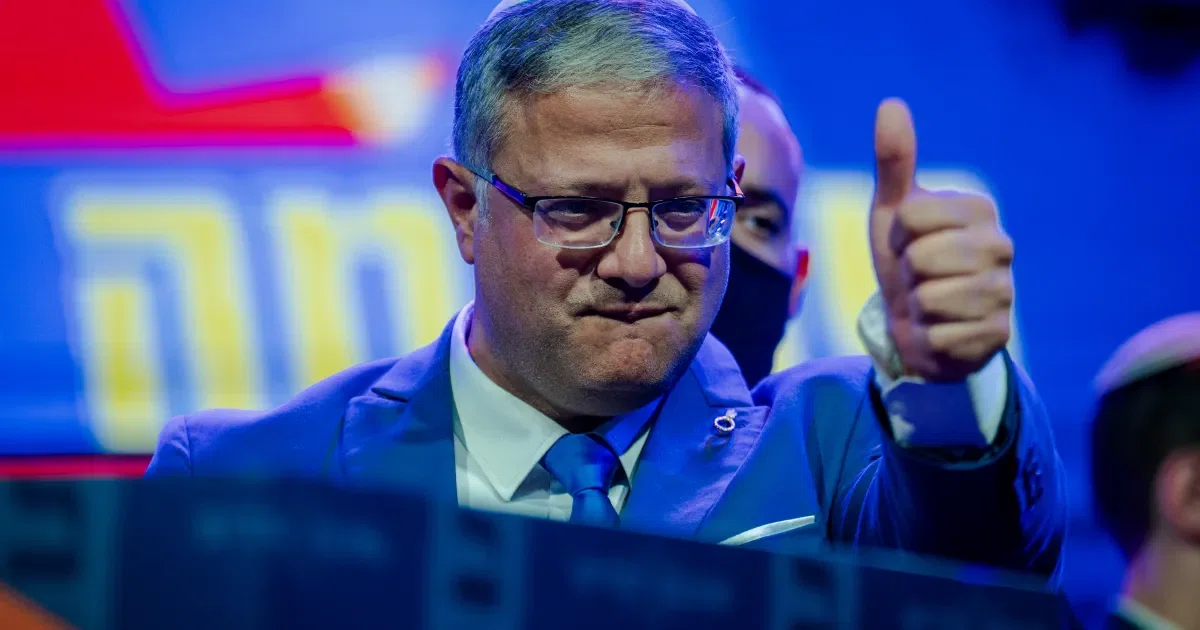
Israel's parliamentary election on Tuesday produced no clear winner, with nearly 90 percent of ballots counted and both major political blocs falling short of the 61 seats needed to form a government. Benjamin Netanyahu's bloc is on course to win 53 seats in the 120-member Knesset, while the opposition bloc led by Gadi Eisenkot is expected to secure 48 seats.
The Arab-majority parties won 19 seats, a historic high, driven by a record turnout of about 80 percent among Palestinian citizens of Israel. This result has placed the Arab parties at the center of coalition arithmetic, even as several party leaders ruled out governing with them.
Netanyahu's Likud party is on course for 26 seats, the largest party, with 20.65 percent of the vote. His bloc has 53 seats, which is eight short of a majority. Following the election, Netanyahu's Likud party claimed the elections were stolen by Arab parties that support terrorism and the elimination of the Jewish state through serious criminal offences. Police and the Central Elections Committee have already dismissed these claims.
Gadi Eisenkot's Yashar party is on course for 21 seats, with 16.16 percent. His bloc has 48 seats, which is 13 short of a majority, and he cannot reach 61 without the Arab-led parties. Eisenkot told supporters on Wednesday that the Israeli public voted against Netanyahu and promised to ensure the decision is translated into a Zionist government.
Itamar Ben-Gvir's Otzma Yehudit is on course for seven seats with 5.58 percent, less than half of the 15 seats he wanted. Religious Zionism is on course for six seats with 4.78 percent. The Joint List is on course for 12 seats with 9.14 percent.
Key facts
- Netanyahu's bloc is on course for 53 seats, eight short of a majority.
- The opposition bloc led by Gadi Eisenkot is expected to secure 48 seats.
- Arab-majority parties won 19 seats following a record 80 percent turnout among Palestinian citizens of Israel.
Three perspectives
Neutral
The Israeli parliamentary election resulted in a deadlock where neither major political bloc reached the 61 seats required to form a government.
Positive
Arab-majority parties achieved a historic high of 19 seats driven by record voter turnout.
Negative
Both major political blocs fell short of the seats needed to form a government, leaving the country without a clear winner.
Your week in news, every Wednesday
The biggest stories of the week for your edition, in your inbox every Wednesday morning, your time. Free, and you can unsubscribe at any time.