

Mogadishu entrepreneurs aim to convert 5,000 tuk tuks to electric
Fadumo Ahmed and Hassan Mumin have launched eBajaaj to electrify the capital's fleet and reduce emissions and noise.
 Business Desk 2 min read
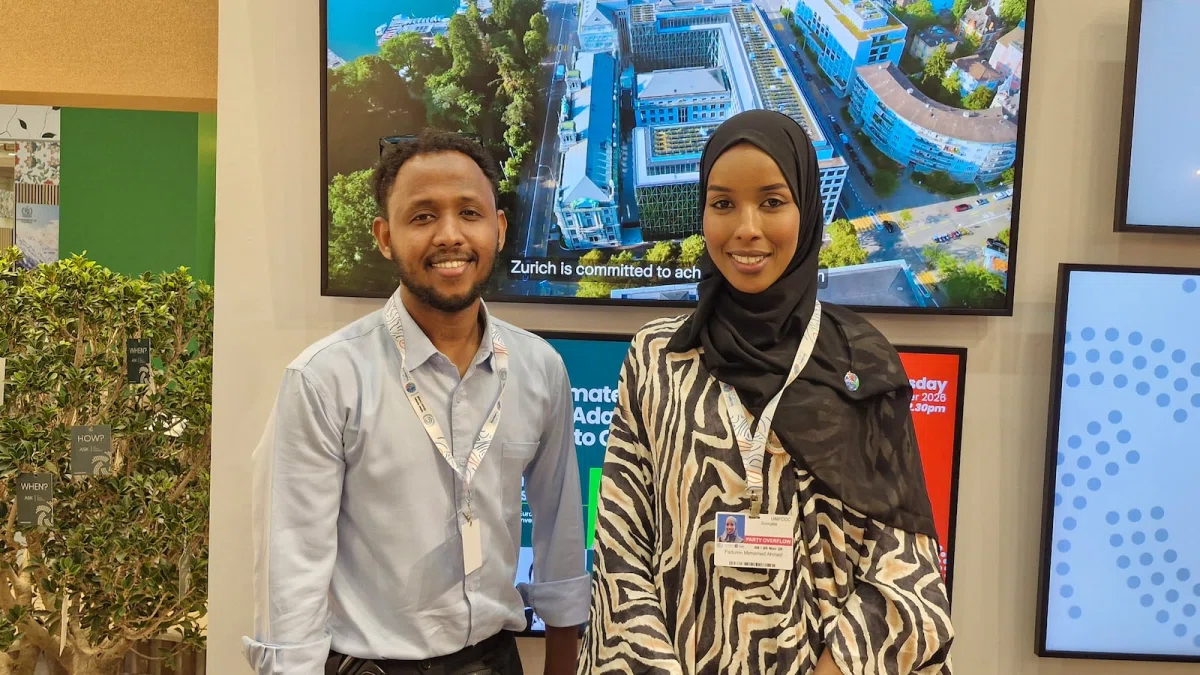
Fadumo Ahmed and her business partner Hassan Mumin have established eBajaaj, a social enterprise aiming to electrify the tuk tuk fleet in Mogadishu. The company has already placed 20 converted tuk tuks on the streets, which have been stripped of petrol motors to carry battery packs instead. Their initial goal is to convert 5,000 vehicles.
There are 75,000 tuk tuks in Mogadishu that produce petrol fumes, noise, and carbon emissions. Ahmed, 32, describes herself as an entrepreneur and a climate activist. She is attending Cop31 to seek investment from banks and financial advisers.
Local banks have viewed the technology as too high a risk because it is new in a fragile market, according to Mumin, 31. The company plans to pay the $2,500 cost for each battery conversion kit. eBajaaj also builds solar-powered charging depots where drivers can swap empty batteries for charged ones in two hours.
Tuk tuk owners pay a $4 daily subscription to cover charging and a contribution toward the conversion cost. This model aims to help drivers save money, as petrol drivers currently spend $15 a day on fuel and $20 twice a month on oil changes.
The electric vehicles are automatic, which Ahmed says makes them easier for women and people who have lost limbs due to civil war to drive. The batteries are waterproof and have a range of 120km.
The conversion also affects security checks at Mogadishu's checkpoints, as the electric models have clear space under the seats to allow for faster inspections.
Key facts
- EBajaaj aims to convert 5,000 petrol tuk tuks to electric alternatives.
- The cost to buy and install a battery conversion kit is $2,500 per vehicle.
- Tuk tuk owners pay a $4 daily subscription for charging and conversion contributions.
Three perspectives
Neutral
EBajaaj is working to convert Mogadishu's petrol tuk tuk fleet to electric vehicles using battery swap stations.
Positive
The electric conversion can increase driver savings and provides easier driving for women and people with physical disabilities.
Negative
Local banks consider the technology too high a risk for investment in the fragile market.
Your week in news, every Wednesday
The biggest stories of the week for your edition, in your inbox every Wednesday morning, your time. Free, and you can unsubscribe at any time.