

 Myanmar
Khun Sa
Khun Sa was an ethnic Han drug lord and warlord known as the Opium King.
 Biography DeskOctober 21, 2026
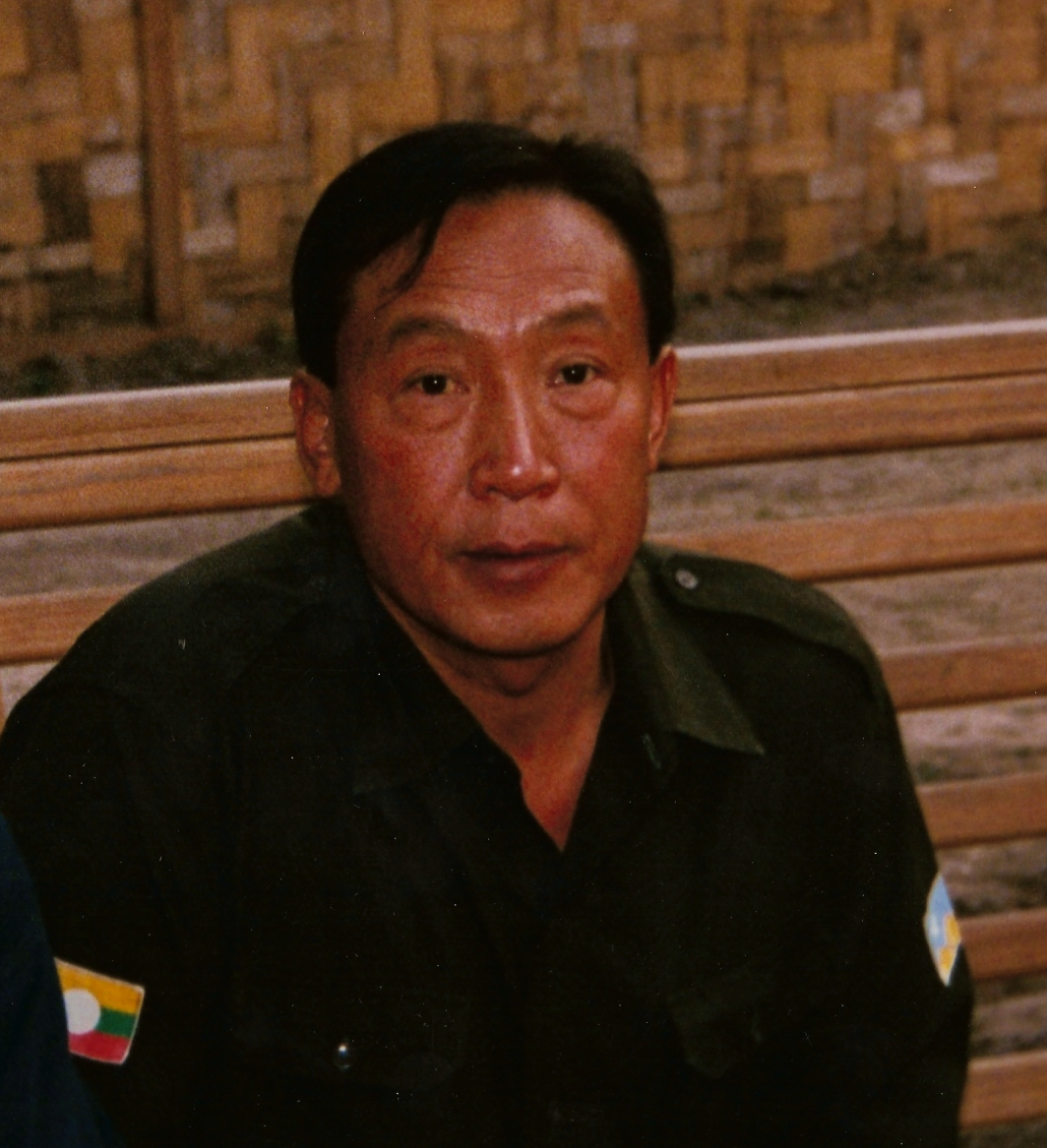
Khun Sa was an ethnic Han drug lord and warlord born in Hpa Hpeung village, Loi Maw ward, Mongyai, Northern Shan State, Burma on 17 February 1934. He was known by his Chinese name Zhang Qifu before assuming the Shan name Khun Sa in 1976.
His father died when he was three years old and his Shan mother died two years after marrying a local tax collector. He was raised by his Han grandfather, the headman of Loi Maw. His only formal education was spending a few years as a Buddhist novice, leaving him functionally illiterate.
In the early 1950s, he received basic military training from the Kuomintang. He formed an independent band of young men at sixteen and eventually became independent of the Kuomintang. In 1963, he formed a Ka Kwe Ye unit under the northeast command of the Burmese army to fight local Shan rebels in exchange for using land and roads to trade opium.
Khun Sa was arrested on October 29, 1969, at Heho Airport in Taunggyi and imprisoned in Mandalay for high treason. He was released in 1974 after his followers abducted two Soviet doctors from a hospital in Taunggyi to ransom for his freedom. Between 1974 and 1994, he became the dominant opium warlord in the Golden Triangle.
He formed the Mong Tai Army in 1985 by merging the Shan United Army with the Tai Revolutionary Council. During the 1980s, he controlled 70% of opium production in Burma and commanded 20,000 men. He claimed his army consisted of 18,000 troops and a reserve of 5,000 at one time.
After the American Drug Enforcement Administration broke his links to foreign brokers, he surrendered to the Burmese government in 1996. He disbanded his army and moved to Yangon with his wealth and mistresses. He engaged in mining and construction projects during his retirement.
Khun Sa died on 26 October 2007 at the age of 73. His children are prominent businesspeople in Myanmar.
Key facts
- Khun Sa was known as the Opium King due to his massive opium smuggling operations.
- He commanded the Mong Tai Army and controlled 70% of opium production in Burma during the 1980s.
- He surrendered to the Burmese government in 1996 and moved to Yangon.
- He died in 2007 at the age of 73.