

 Nigeria
Wole Soyinka
Akinwande Oluwole Babatunde Soyinka is a Nigerian writer, playwright, and poet who was awarded the 1986 Nobel Prize in Literature.
 Biography DeskOctober 29, 2026
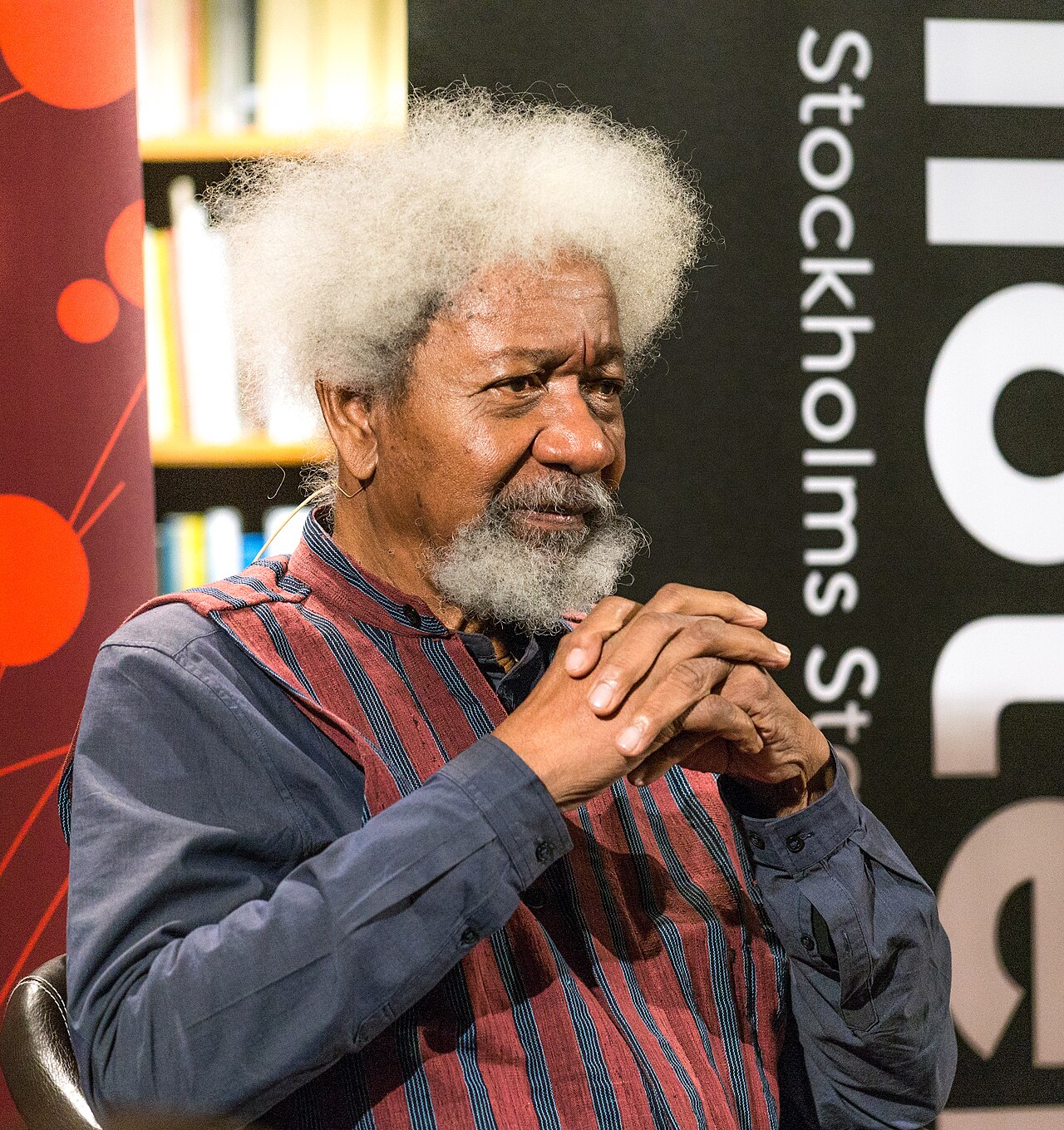
Akinwande Oluwole Babatunde Soyinka is a Nigerian poet, playwright, and writer. He received the 1986 Nobel Prize in Literature for his poetic overtones and wide cultural perspective in fashioning the drama of existence. His works include three novels, twenty-five plays, seven poetry collections, and ten collections of short stories.
Born on 13 July 1934 in Aké, Abeokuta, Soyinka comes from an Anglican Yoruba family. His father, Samuel Ayodele Soyinka, was an Anglican minister and headmaster, while his mother, Grace Soyinka, was a shopkeeper and activist from the Ransome-Kuti family. He attended St. Peters Primary School, Abeokuta Grammar School, and Government College, Ibadan.
Soyinka studied English literature, Greek, and Western history at University College Ibadan from 1952 to 1954. During this time, he co-founded the National Association of Seadogs. He later moved to England to study English literature at the University of Leeds under G. Wilson Knight.
In the 1950s, Soyinka became a full-time author and edited the university magazine, The Eagle. He wrote short stories and recorded for the BBC Lecture series. His early plays, such as The Invention, The Swamp Dwellers, and The Lion and the Jewel, were produced in the UK and Nigeria.
After returning to Nigeria in 1959, he co-edited Black Orpheus and formed the 1960s Mask theatre group. His play A Dance of The Forests premiered in Lagos on 1 October 1960. In 1962, he became a lecturer at Obafemi Awolowo University in Ifẹ, but resigned in 1964 to protest pro-government behaviour.
Soyinka was arrested in 1965 and held for several months after being charged with holding up a radio station. During the Nigerian Civil War, he was imprisoned for 22 months after being declared a traitor. While in prison, he wrote poems and notes that were later published as Poems from Prison.
Following his release in 1969, Soyinka spent time in France and later returned to his office as Chair of Drama at Ibadan. He served as a Professor of Comparative literature at Obafemi Awolowo University from 1975 to 1999. In July 2024, during his 90th birthday, Bola Tinubu renamed the National Arts Theatre after Soyinka.
Key facts
- Soyinka won the 1986 Nobel Prize in Literature.
- He was born in Aké, Abeokuta on 13 July 1934.
- He was imprisoned for 22 months during the Nigerian Civil War.
- The National Arts Theatre was renamed after him in July 2024.