

 Philippines
José Rizal
José Rizal was a Filipino nationalist, writer, and ophthalmologist who is considered a national hero of the Philippines.
 Biography DeskOctober 18, 2026
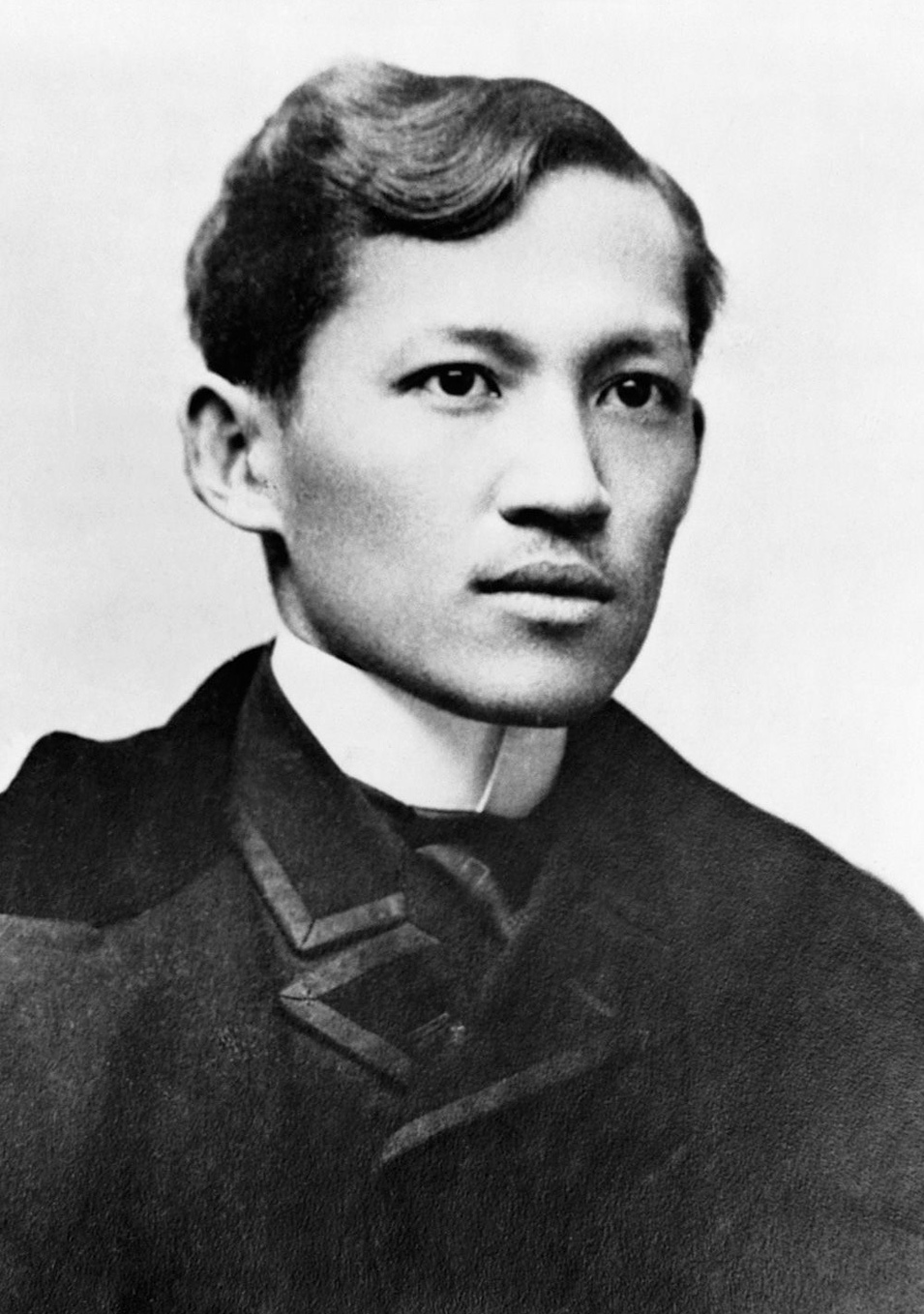
José Protasio Rizal Mercado y Alonso Realonda was a Filipino nationalist, writer, and polymath. He was an ophthalmologist and a key member of the Filipino Propaganda Movement in the 1880s. He is popularly considered a national hero of the Philippines.
Born on June 19, 1861, in Calamba, Laguna, he was the seventh child of Francisco Rizal Mercado and Teodora Alonso Realonda y Quintos. His family resided in a bahay na bato near the town plaza. His mother taught him the alphabet at age three and he could read and write by age five.
Rizal studied in Biñan under Justiniano Aquino Cruz before enrolling at the Ateneo Municipal de Manila. He graduated on March 23, 1877, with a Bachelor in Arts certificate. He later enrolled at the University of Santo Tomas for Philosophy and Letters and eventually switched to medicine.
In May 1882, Rizal traveled secretly to Spain to study at the Universidad Central de Madrid. He enrolled in Medicine and Philosophy and Letters while taking private lessons in French, German, and English. He also practiced painting, sculpting, fencing, and shooting.
Rizal wrote the novels Noli Me Tángere in 1887 and El filibusterismo in 1891. He also wrote the poem A La Juventud Filipina in 1879 and the play El Consejo de Dioses in 1880. His writings inspired the Philippine Revolution.
In July 1892, Rizal established the secret society La Liga Filipina in Manila. He was arrested by Spanish authorities and banished to Dapitan in Mindanao. During his exile, he met Josephine Bracken, who became his common-law wife.
Rizal left Dapitan for Cuba in August 1896 to serve as a doctor. He was arrested in Barcelona on October 6, 1896, after the Philippine Revolution broke out. He was executed by the Spanish colonial government in December 1896 for the crime of rebellion.
Key facts
- José Rizal was born on June 19, 1861, in Calamba, Laguna.
- He wrote the novels Noli Me Tángere and El filibusterismo.
- He was executed by the Spanish colonial government in December 1896.
- He was an ophthalmologist and a member of the Filipino Propaganda Movement.