

 Sri Lanka
Nissanka Malla
Nissanka Malla was a king of Polonnaruwa who ruled from 1187 to 1196.
 Biography DeskNovember 12, 2026
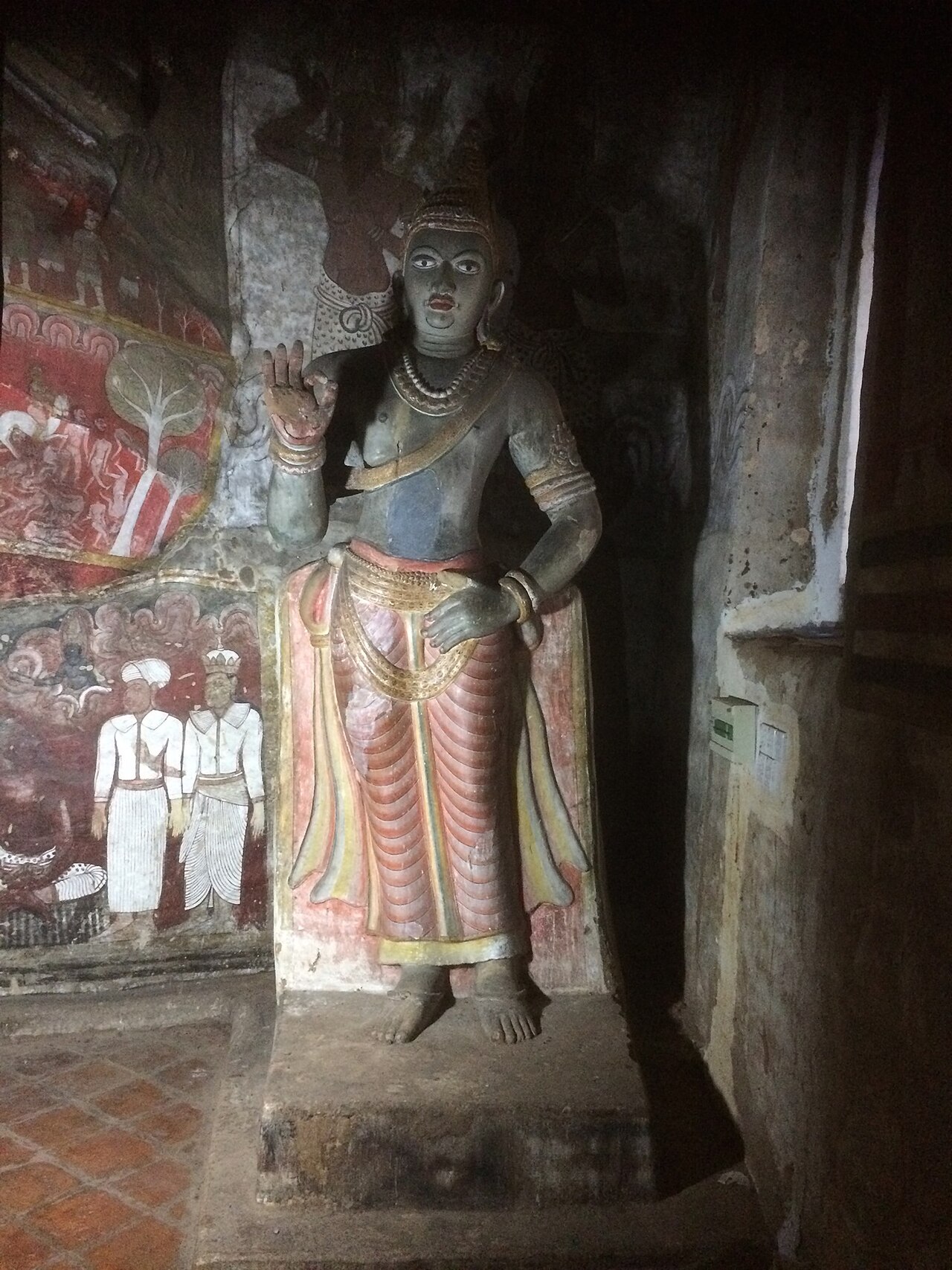
Nissanka Malla, also known as Kirti Nissanka or Kalinga Lokaswara, was a king of Polonnaruwa. He ruled the country from 1187 to 1196. He is known for architectural constructions like the Nissanka Lata Mandapaya, Hatadage, and Rankot Vihara.
Born around 1157 or 1158, he was the son of King Jayagopa and Queen Parvati. He was a member of the Kalinga royal family born at Sinhapura. He was also a son-in-law or nephew of Parākramabāhu I.
Nissanka Malla came to Polonnaruwa as an Aepa to Vijayabâhu II. After Mahinda VI of the Kalinga Dynasty killed Vijayabâhu II, Nissanka Malla killed Mahinda VI after five days. He then assumed the throne in 1187.
He declared that only a Buddhist had the right to rule Sri Lanka. He claimed descent from Prince Vijaya to justify his kingship. He also reduced heavy taxes from Parākramabāhu I and gave gold, cattle, and land to the public to prevent robbery.
The king sent missionaries to the Khmer Empire and was responsible for the conversion of Cambodia. He also maintained cordial relationships with Ramanna. He invaded the Pandyan and Chola dynasties and renovated a temple in Rameswaram named Nissankesvara.
He constructed the Nissanka Latha Mandapaya with eight granite pillars carved like lotus stems. He built the Hatadage to hold the tooth relic of the Buddha and the Rankot Vihara stupa. He also refurbished the Dambulla cave temple and gilded fifty Buddha statues.
Key facts
- Nissanka Malla ruled Polonnaruwa from 1187 to 1196.
- He constructed the Nissanka Latha Mandapaya, Hatadage, and Rankot Vihara.
- He declared that non-Buddhists should not be placed in power in Sri Lanka.
- He sent missionaries to Cambodia and maintained relations with the Khmer Empire.