

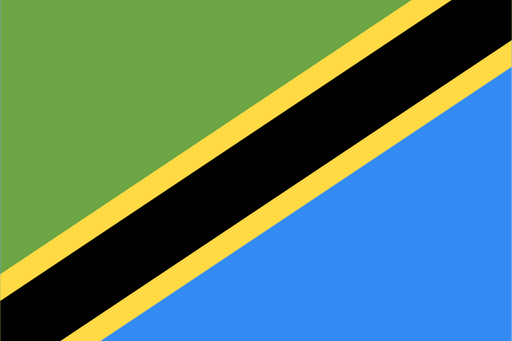
 Tanzania
Julius Nyerere
Julius Kambarage Nyerere was a Tanzanian politician, anti-colonial activist, and the first president of Tanganyika and Tanzania.
 Biography DeskOctober 19, 2026
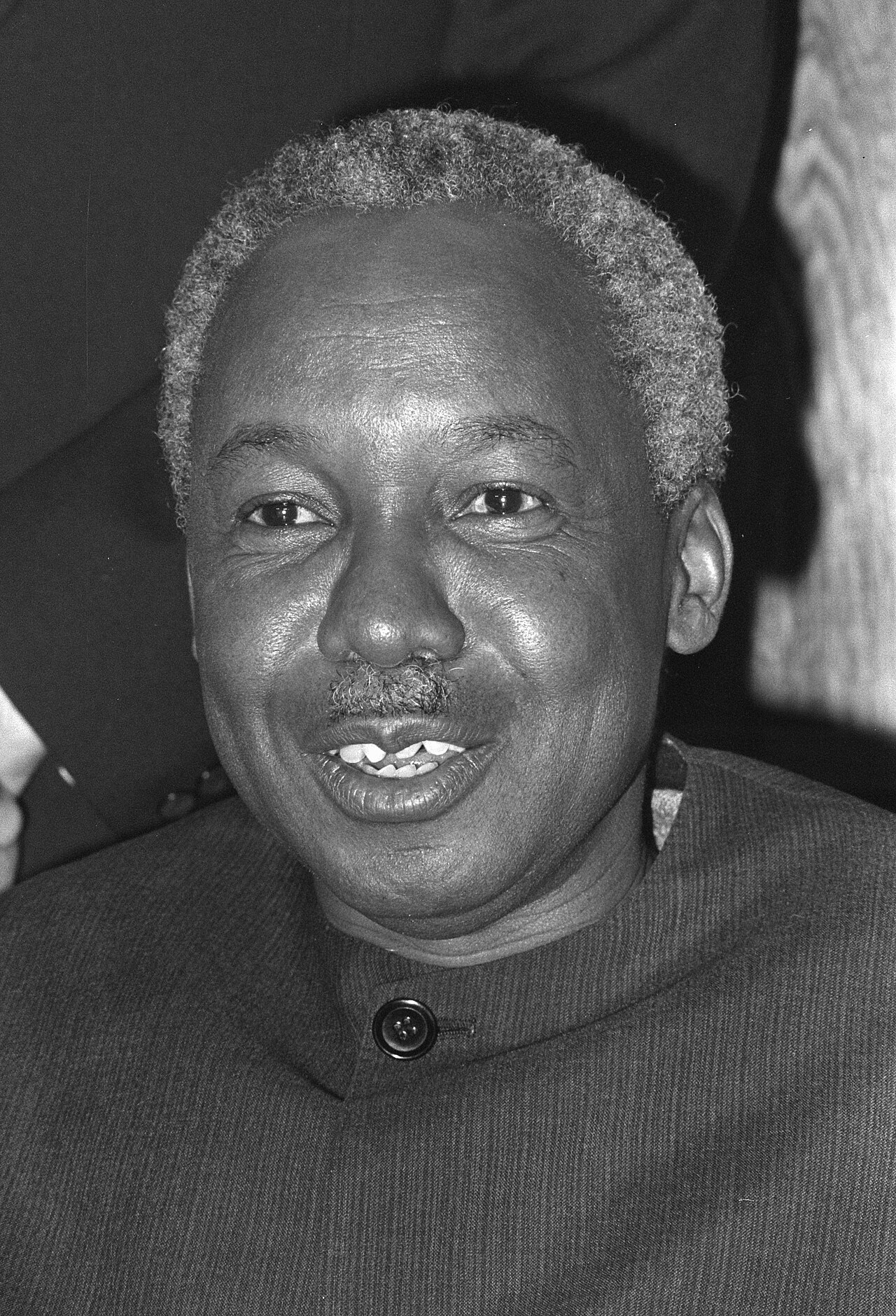
Julius Kambarage Nyerere was a Tanzanian politician, revolutionary, and political theorist. He served as prime minister of Tanganyika from 1961 to 1962 and as president from 1962 to 1964. He later led the successor state, Tanzania, as president from 1964 to 1985.
Born on 13 April 1922 in Mwitongo, Butiama, Nyerere was the son of Zanaki chief Nyerere Burito. He studied at the Native Administration School in Mwisenge and later attended Tabora Government School. He earned a diploma in education from Makerere College in Uganda after arriving there in 1943.
Nyerere returned to Tanganyika in 1952 and worked as a school teacher. In 1954, he helped form the Tanganyika African National Union (TANU). He campaigned for independence using non-violent protest and was elected to the Legislative Council in the 1958, 1959 elections.
After leading TANU to victory in the 1960 general election, Nyerere became prime minister. Negotiations with British authorities led to independence in 1961. In 1962, Tanganyika became a republic and Nyerere was elected its first president.
Following the 1964 Zanzibar Revolution, Zanzibar and Tanganyika unified to form Tanzania. In 1967, Nyerere issued the Arusha Declaration to outline his vision of Ujamaa. His administration nationalized major industries and expanded healthcare and education.
Nyerere provided aid to anti-colonialist groups in southern Africa and oversaw the 1978, 1979 war with Uganda. He stood down in 1985 and was succeeded by Ali Hassan Mwinyi. He remained chair of Chama Cha Mapinduzi until 1990.
Key facts
- Julius Kambarage Nyerere was the first president of Tanzania.
- He promoted a political philosophy known as Ujamaa.
- He was a founding member and chair of TANU and Chama Cha Mapinduzi.
- Nyerere issued the Arusha Declaration in 1967.