

 Georgia
George V of Georgia
George V the Brilliant was a king of the Bagrationi dynasty who ruled the Kingdom of Georgia from 1299 to 1302 and again from 1318 until 1346.
 Biography DeskOctober 27, 2026
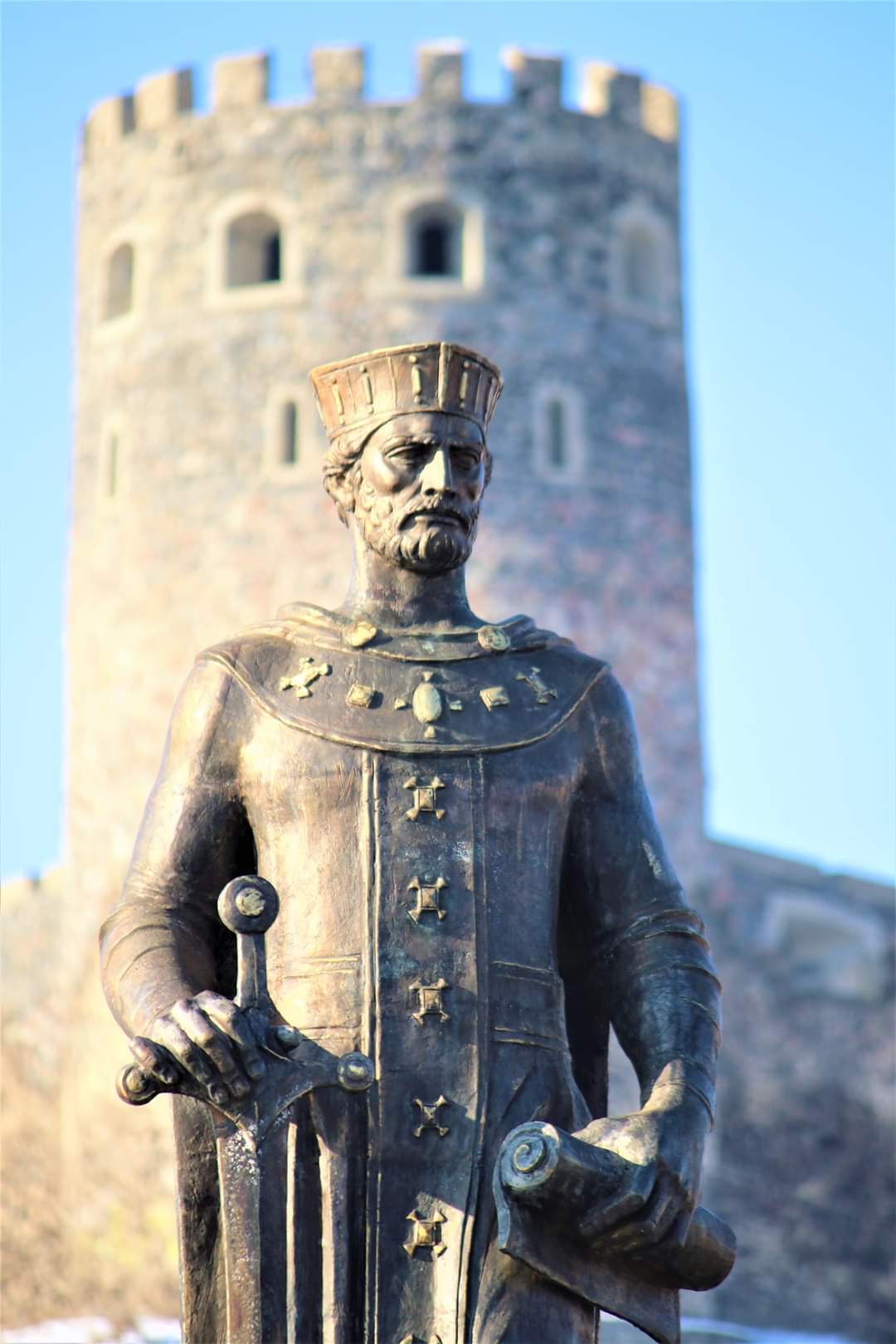
George V of the Bagrationi dynasty was the king of Georgia from 1299 to 1302 and from 1318 until his death in 1346. He is known as the Brilliant, the Illustrious, or the Magnificent. His title included being the unifier of Likht-Imer and Likht-Amer.
George was born to King Demetrius II and his third wife, Natela Jaqeli. After Demetrius was executed by the Mongols in 1289, George grew up in Samtskhe at the court of his grandfather, Beka I Jaqeli.
In 1299, the Ilkhanid khan Ghazan installed George as a rival ruler to his brother David VIII. During this first reign, George was referred to as the Shadow King of Tbilisi. He was replaced by his brother Vakhtang III in 1302.
After the deaths of his elder brothers, George became regent for George VI. He was crowned king for a second time in 1313. In 1315, he led Georgian auxiliaries to suppress an anti-Mongol revolt in Asia Minor.
During his second reign, George V ruled from Tiflis as an ally of the Il-Khan Abu Sa'id. In 1320, he drove the Alans out of the town of Gori. Between 1327 and 1335, he used diplomacy and force to stop paying tribute and expel the Mongol army.
George V reunited Georgia by capturing castles and cities in Western Georgia. He also incorporated Samtskhe after the death of Sargis II Jaqeli in 1334. He established commercial ties with the Byzantine Empire, Genoa, and Venice.
The king worked on law codes between 1325 and 1338 and introduced Georgian coins. He maintained diplomatic relations with the Bahri Mamluks of Egypt and wrote to King Philip VI of France in 1332-33. He died in 1346 and was succeeded by his son, David IX.
George V was buried at the Gelati Monastery near Kutaisi. He had a son named David IX and a daughter named Soldane. The identity of his wife is not known.
Key facts
- George V ruled Georgia during two periods: 1299, 1302 and 1318, 1346.
- He was known as the unifier of Likht-Imer and Likht-Amer.
- He successfully incorporated Samtskhe and Western Georgia into his rule.
- He was buried at the Gelati Monastery near Kutaisi.
- He was succeeded by his son, David IX.