

 Pakistan
Ahmad Faraz
Ahmad Faraz was a prominent Pakistani Urdu poet, scriptwriter, and literary official known for his resistance to authoritarianism.
 Biography DeskOctober 22, 2026
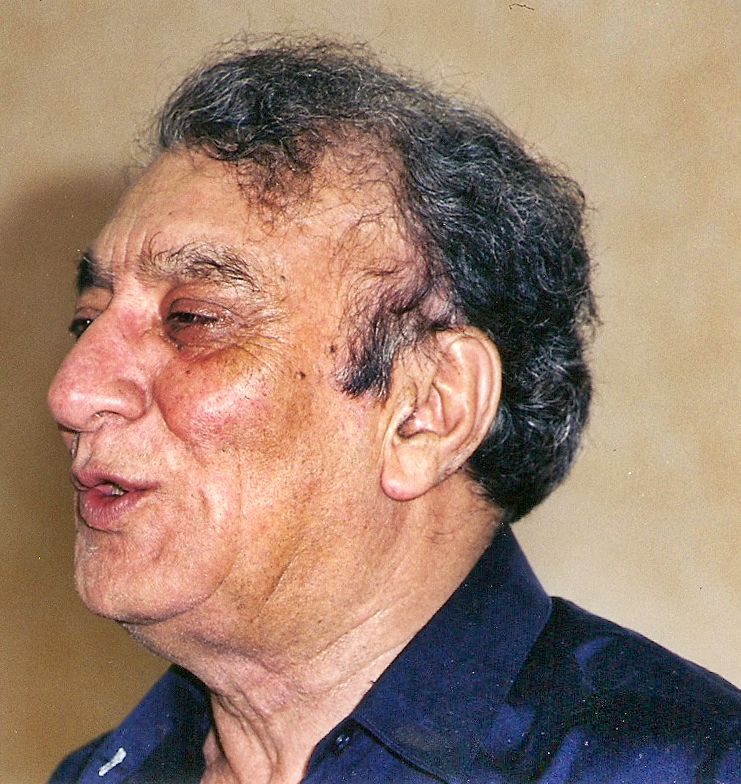
Syed Ahmad Shah, known by the pen name Ahmad Faraz, was a Pakistani Urdu poet and scriptwriter. He served as the founding director general and later chairman of the Pakistan Academy of Letters.
Born on 14 January 1931 in Kohat, NWFP, British India, he belonged to a Pashtun-Syed family. His father, Agha Syed Muhammad Shah Bark Kohati, was a teacher who composed Persian poetry.
Faraz studied at Edwardes College, Peshawar, and earned a Master's degree in Urdu and Persian from Peshawar University. During his college years, he was influenced by poets Faiz Ahmad Faiz and Ali Sardar Jafri.
He gained early recognition through ghazal recitations on Radio Pakistan Peshawar before moving to Karachi to work as a radio producer. He later became associated with the post-Progressive tradition, combining classical aesthetics with political and social themes.
Faraz was associated with the Khaksar movement in his early years. He was arrested for writing poems criticizing military rulers during the reign of General Zia-ul-Haq, which led to a three-year self-imposed exile in Britain, Canada, and Europe.
Upon returning to Pakistan, he was appointed chairman of the Pakistan Academy of Letters and later chaired the National Book Foundation in Islamabad. His ghazals were popularized by singers including Mehdi Hassan, Noor Jehan, Ghulam Ali, Pankaj Udhas, Jagjit Singh, and Runa Laila.
He received the Sitara-i-Imtiaz and the Hilal-e-Imtiaz in 2004, though he returned the latter in 2006 to protest the Musharraf regime. Ahmad Faraz died of kidney failure in an Islamabad hospital on 25 August 2008.
The Government of Pakistan posthumously conferred the Hilal-e-Pakistan upon him. He is recognized as one of the most influential modern Urdu poets of the last century.
Key facts
- Ahmad Faraz was born on 14 January 1931 in Kohat.
- He served as the chairman of the Pakistan Academy of Letters and the National Book Foundation.
- He was arrested and went into exile for three years due to his criticism of military rule.
- He received the Hilal-e-Imtiaz in 2004 and the Hilal-e-Pakistan posthumously.
- He died in Islamabad on 25 August 2008.