

 Mongolia
Baydu
Baydu was the sixth ruler of the Ilkhanate in West Asia.
 Biography DeskOctober 21, 2026
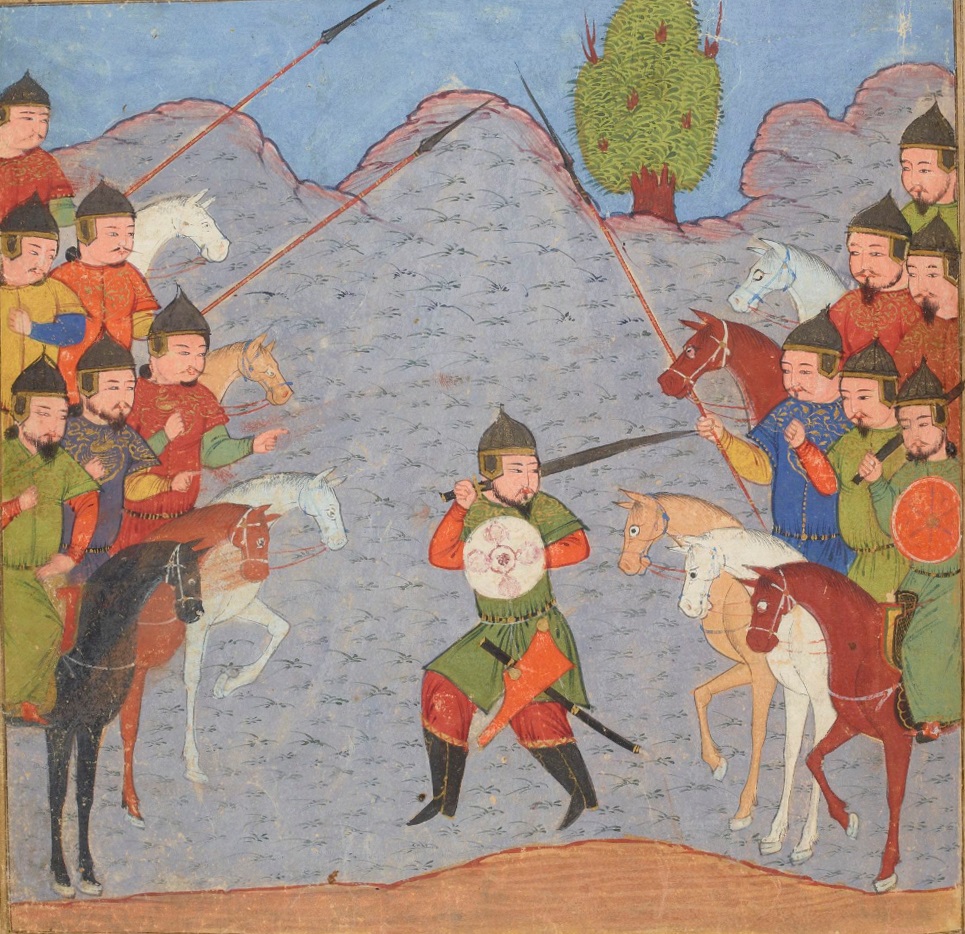
Baydu was the sixth ruler of the Ilkhanate, a division of the Mongol Empire on the Iranian Plateau. He was the son of Taraqai and Qaraqcin. His father was the fifth son of Hulagu Khan.
Baydu was born in Mongolia. He arrived in Iran in 1269 with his mother and the camp of Qutui Khatun. He participated in the invasion of Syria by Abaqa Khan in 1281.
He served as a viceroy in Jazira during the reigns of his predecessors. After the death of Arghun, he was a candidate for the Ilkhanid throne. Nobles such as Taghachar, Qoncuqbal, Toghan, and Tuqal supported him.
Baydu revolted against Gaykhatu and became khan in 1295. During his reign, the Ilkhanate was divided among his co-conspirators. Taghachar took the governorate of Anatolia, while Tuladai gained Persian Iraq and Lorestan.
Prince Ghazan grew restless in Khorasan and moved against Baydu. Baydu's forces were commanded by Ildar Oghul and met Ghazan near Qazvin. Baydu offered Ghazan co-ruling of the Ilkhanate.
Amir Nowruz entered Qazvin with 4,000 soldiers and claimed 120,000 more on the way to Azerbaijan. Baydu fled to Tukal in Georgia but was taken prisoner near Nakhchivan. He was executed in Tabriz on 5 October 1295.
Baydu had strong sympathies for Christianity and wore a cross around his neck. He had three consorts, including Ordu Qutlugh Khatun and Shah Alam Khatun. His children included Qipchak, Muhammad, Ali, Musa, and Yol Qutlugh Khatun.
Key facts
- Baydu was the sixth ruler of the Ilkhanate.
- He died in Tabriz on 5 October 1295.
- He was the son of Taraqai, the fifth son of Hulagu Khan.
- He was succeeded by Ghazan after a period of civil war.