

 Myanmar
Bodawpaya
Bodawpaya was the sixth king of the Konbaung dynasty of Burma.
 Biography DeskOctober 21, 2026
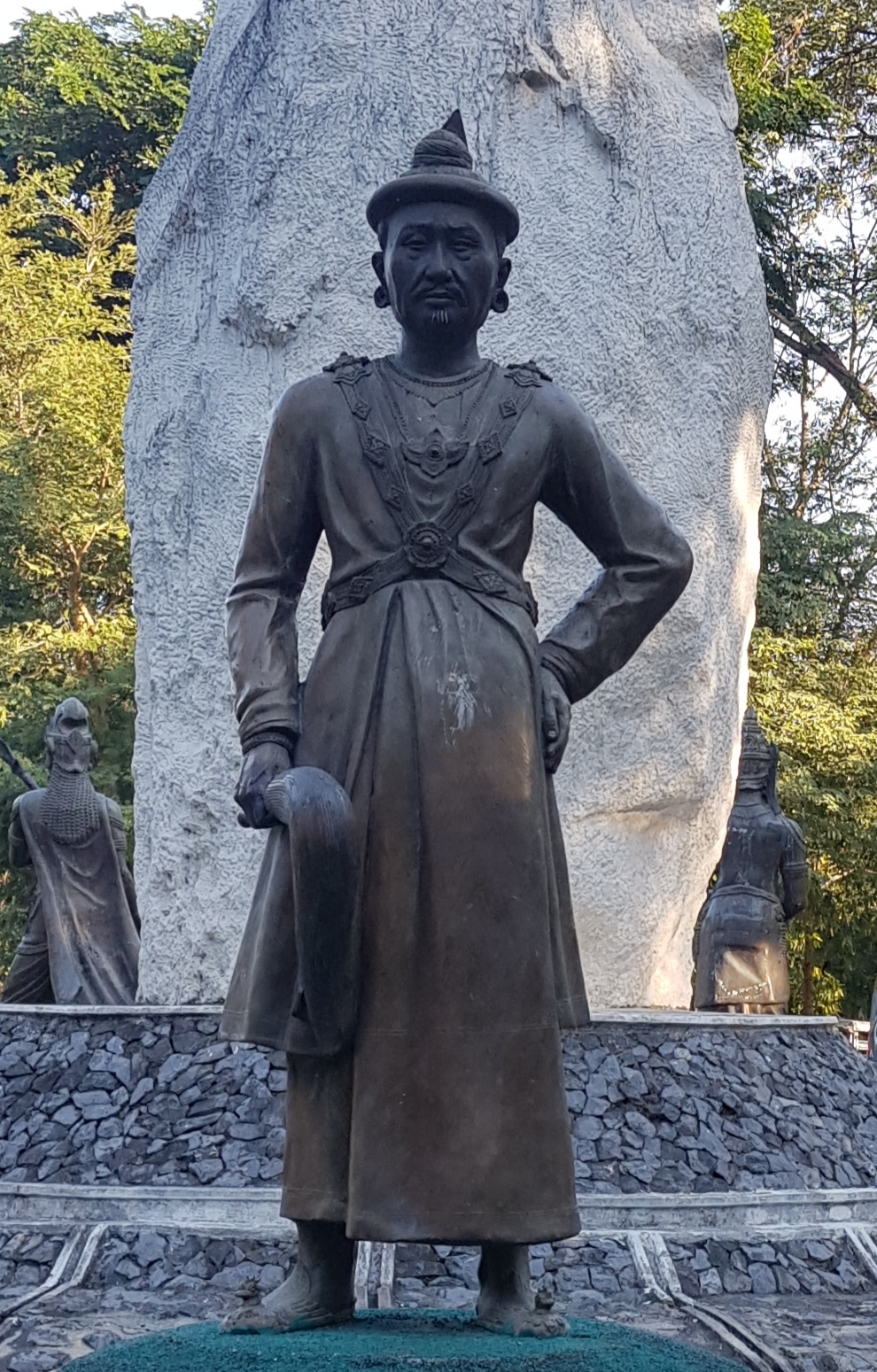
Bodawpaya, also known as Bodaw U Waing, was the sixth king of the Konbaung dynasty. He was the fourth son of the dynasty founder Alaungpaya. Born Maung Shwe Waing and later Badon Min, he was known to posterity as Bodawpaya.
He became king after deposing his nephew Phaungkaza Maung Maung at Ava. In 1782, Bodawpaya moved the royal capital back to Amarapura. He held the title Hsinbyumyashin, which means Lord of the White Elephants.
In 1784, Bodawpaya invaded Arakan and captured the capital Mrauk U. His son, the Heir Apparent Thado Minsaw, led the royal armies across the Western Yoma range. The Mahamuni Buddha image and Khmer bronze statues were brought to mainland Burma.
Bodawpaya invaded Siam in 1785 but was defeated. In 1791, the Governor of Tavoy revolted with Siamese aid, but a punitive expedition ended in 1793 with the ceding of the Tenasserim coast. He invaded Siam again in 1809 but was fended off by Maha Senanurak.
In 1817, a force of 16,000 under Gen. Maha Minhla Minkhaung entered Assam to assist Badan Chandra Borphukan. Following a second invasion in February 1819, the Burmese forces reinstalled Chandrakanta Singha on the throne of Assam. During his reign, Bodawpaya fathered 70 sons and 67 daughters by about 54 consorts.
Bodawpaya was a patron of religion and established a chapter of Sangharajas to safeguard the purity of the Sangha. He reintroduced the upasampada ordination to Sri Lanka. In 1790, he began constructing the Mantalagyi stupa at Mingun, though it was never finished.
He also ordered a major economic survey of the kingdom in 1784. He appointed a minister called Thabin Wun to oversee the performing arts. Bodawpaya died on 5 June 1819 and was succeeded by his grandson, Bagyidaw.
Key facts
- Bodawpaya was the sixth king of the Konbaung dynasty.
- He invaded Arakan in 1784 and captured Mrauk U.
- He began the construction of the Mantalagyi stupa at Mingun in 1790.
- He fathered 70 sons and 67 daughters.
- He died on 5 June 1819.