

 Georgia
David VII
David VII, also known as David Ulu, was the King of Georgia from 1245 to 1270.
 Biography DeskNovember 2, 2026
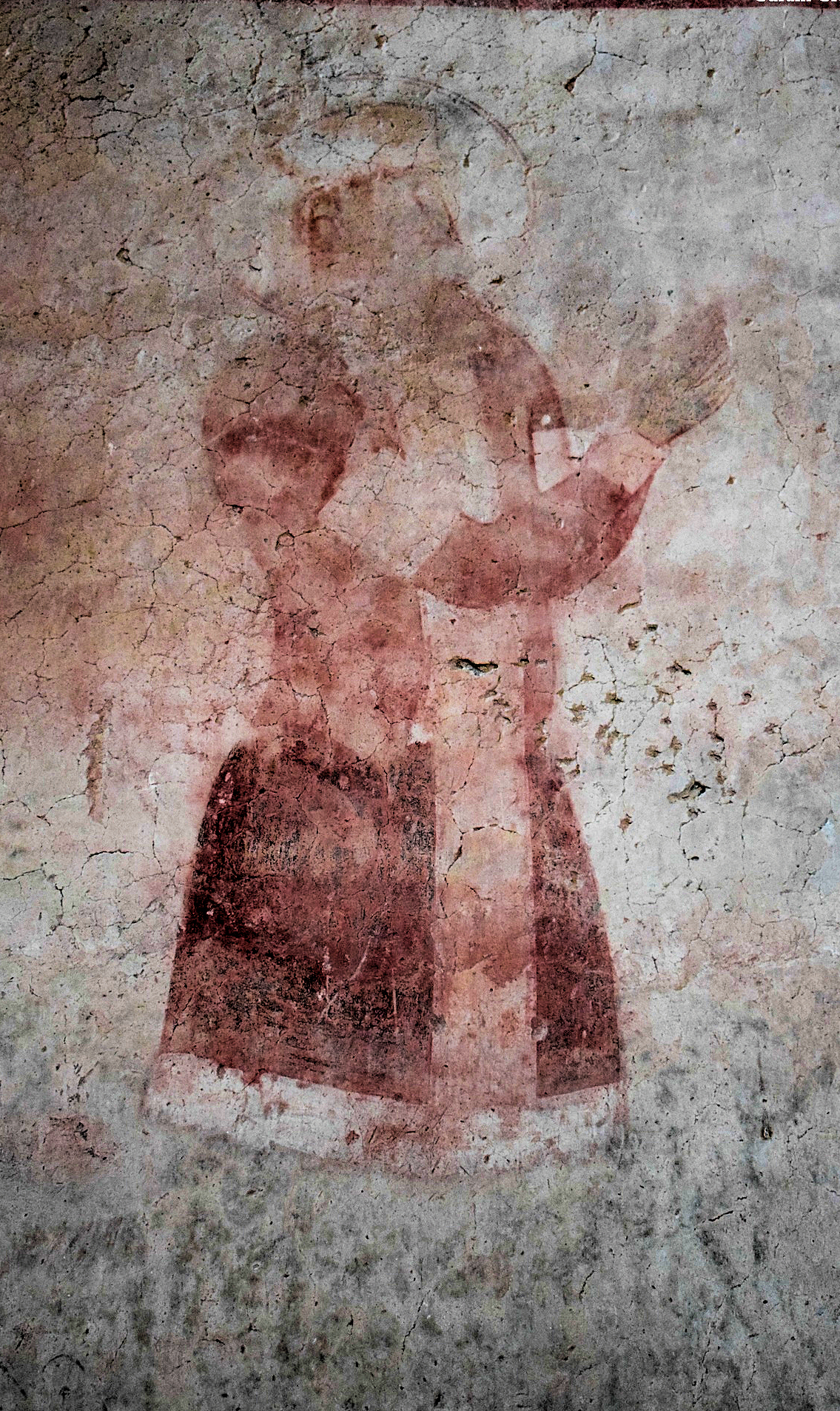
David VII, known as David Ulu, was a member of the Bagrationi dynasty. He ruled Georgia from 1245 to 1270. From 1246 to 1259, he ruled jointly with his cousin, David VI.
David was the morganatic son of King George IV and a woman of non-noble origin. Because he was considered an illegitimate son, his sister Rusudan succeeded their father in 1223. Rusudan sent David to the court of Sultan Kaykhusraw II and later to the court of the great khan in Karakorum.
After the Battle of Köse Dağ in 1243, Kaykhusraw released David Ulu. Following Rusudan's death in 1245, the nobility proclaimed David Ulu as king. In 1246, David Ulu and David VI attended the enthronement of Guyuk Khan in Mongolia.
The Mongols appointed David VII as ulu ruler and David VI as narin ruler to manage the succession crisis. David Ulu participated in the Mongol conquest of Alamut in 1256 and Baghdad in 1258. These military campaigns resulted in the loss of tens of thousands of Georgian soldiers.
In 1259, David Narin rose up against the Mongols and separated Western Georgia. David Ulu rebelled in 1260, leading to a defeat near Akhaldaba and a Mongol invasion. He returned to Tbilisi in 1262 as a Mongol vassal to reclaim his crown.
David Ulu supported the Ilkhanate during the conflict between Hulegu and Berke from 1263 to 1265. In 1270, he led Georgian and Armenian troops to support the Mongol Abaqa against Tekuder. David Ulu died of a bowel infection in the spring of 1270 and was buried at Mtskheta.
David VII was married to Jigda-Khatun, Altun, Gvantsa, and Esukan. His son, Demetre II, succeeded him as King of Georgia in 1270.
Key facts
- David VII ruled Georgia from 1245 to 1270.
- He was known as David Ulu, meaning David the Senior in the Mongol language.
- He ruled jointly with David VI until 1259.
- He was a member of the Bagrationi dynasty.
- He died in 1270 and was succeeded by his son Demetre II.