

 India
B. R. Ambedkar
B. R. Ambedkar was an Indian jurist, economist, social reformer, and politician who chaired the committee that drafted the Constitution of India.
 Biography DeskOctober 19, 2026
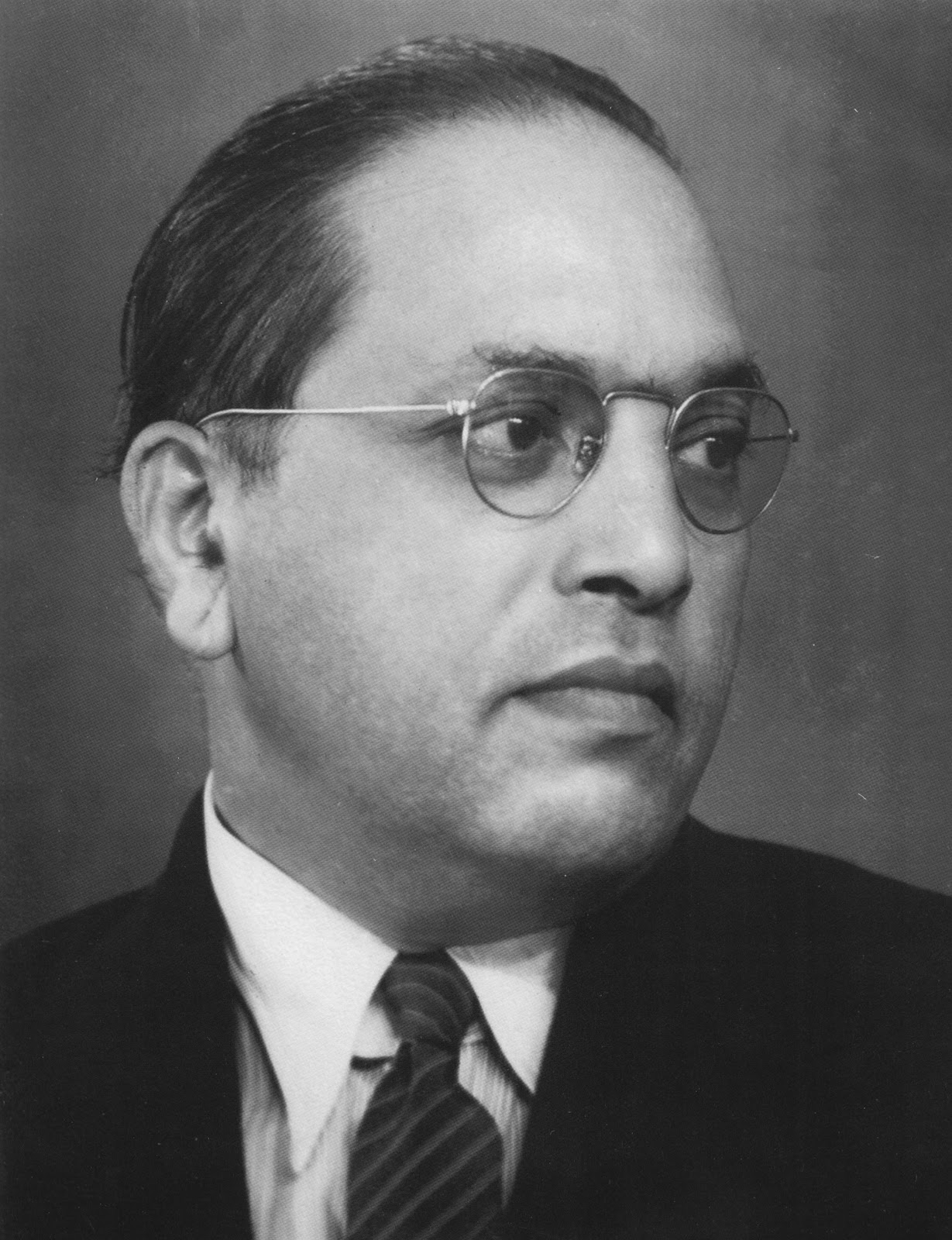
Bhimrao Ramji Ambedkar was an Indian jurist, economist, social reformer, and politician. He chaired the committee that drafted the Constitution of India and served as Law and Justice minister in the first cabinet of Jawaharlal Nehru. He later converted to Buddhism, inspiring the Dalit Buddhist movement.
Born on 14 April 1891 in Mhow, Ambedkar was the 14th child of Ramji Maloji Sakpal and Bhimabai Sakpal. His family was of Marathi background from Ambadawe. As a member of the Mahar caste, he faced socio-economic discrimination and was segregated in school.
Ambedkar graduated from Elphinstone College and studied economics at Columbia University and the London School of Economics. He received a Ph.D. in economics from Columbia in 1927 and a D.Sc. in Economics from the University of London in 1923. He also trained in law at Gray's Inn, London.
In his early career, Ambedkar worked as an economist, professor, and lawyer. He became a professor of political economy at Sydenham College of Commerce and Economics in 1918. He also founded the Bahishkrit Hitakarini Sabha to promote education and welfare for the depressed classes.
Ambedkar led movements against untouchability, including a satyagraha in Mahad and the Kalaram Temple movement in 1930. In 1932, he signed the Poona Pact with Madan Mohan Malaviya, which provided reserved seats for the Depressed Classes. He also published the book Annihilation of Caste in 1936.
He founded the Independent Labour Party in 1936 and served as principal of the Government Law College, Bombay. In 1956, he converted to Buddhism, initiating mass conversions of Dalits. He died on 6 December 1956.
In 1990, the Bharat Ratna was posthumously conferred on Ambedkar. His followers honor him using the salutation Jai Bhim and the honorific Babasaheb.
Key facts
- Ambedkar chaired the committee that drafted the Constitution of India.
- He served as the Law and Justice minister in Jawaharlal Nehru's first cabinet.
- He received doctorates from Columbia University and the London School of Economics.
- He was posthumously awarded the Bharat Ratna in 1990.