

 South Africa
Alan Paton
Alan Paton was a South African writer, educator, and anti-apartheid activist.
 Biography DeskOctober 22, 2026
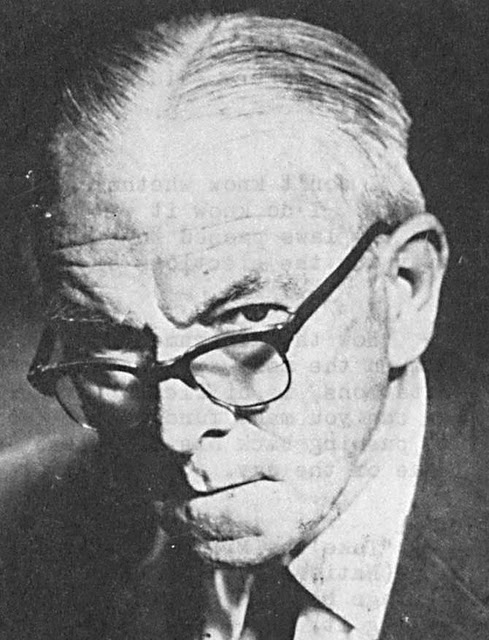
Alan Stewart Paton was a South African writer, educator, and anti-apartheid activist. He is known for novels such as Cry, the Beloved Country (1948) and Too Late the Phalarope (1953).
Born in Pietermaritzburg in the Colony of Natal, he was the son of James Paton and Eunice Warder Paton. He attended Maritzburg College and earned a Bachelor of Science degree at the University of Natal. He also obtained a diploma in education.
Paton worked as a teacher at Ixopo High School and Maritzburg College. From 1935 to 1949, he served as the principal of Diepkloof Reformatory for young native African offenders. He introduced progressive reforms at Diepkloof, including open dormitories and work permits.
During World War II, Paton volunteered for military service with the British Commonwealth forces but was refused by South African authorities. While touring correctional facilities in Europe, Canada, and the United States, he wrote Cry, the Beloved Country. He finished the novel on Christmas Eve in 1946 in San Francisco.
In 1953, Paton became a founding vice-president of the Liberal Party of South Africa. He served as President of the LPSA until the government forced its dissolution in 1968. The South African government confiscated his passport for ten years after he returned from New York City in 1960.
Paton wrote several other works, including Ah, but Your Land Is Beautiful (1981) and Tales From a Troubled Land (1961). He also wrote biographies of Jan Hendrik Hofmeyr and Geoffrey Clayton. He retired to Botha's Hill, where he lived until his death on 12 April 1988.
He was posthumously awarded the Order of Ikhamanga in Gold on 20 April 2006. This award recognized his literary contributions and his fight for a just and democratic society.
Key facts
- Alan Paton was the principal of Diepkloof Reformatory from 1935 to 1949.
- He was a founding vice-president of the Liberal Party of South Africa.
- His novel Cry, the Beloved Country was published in 1948.
- He was posthumously awarded the Order of Ikhamanga in Gold in 2006.