

 Nepal
Surendra Bikram Shah
Surendra Bikram Shah was the King of Nepal from 1829 until his death in 1881.
 Biography DeskNovember 2, 2026
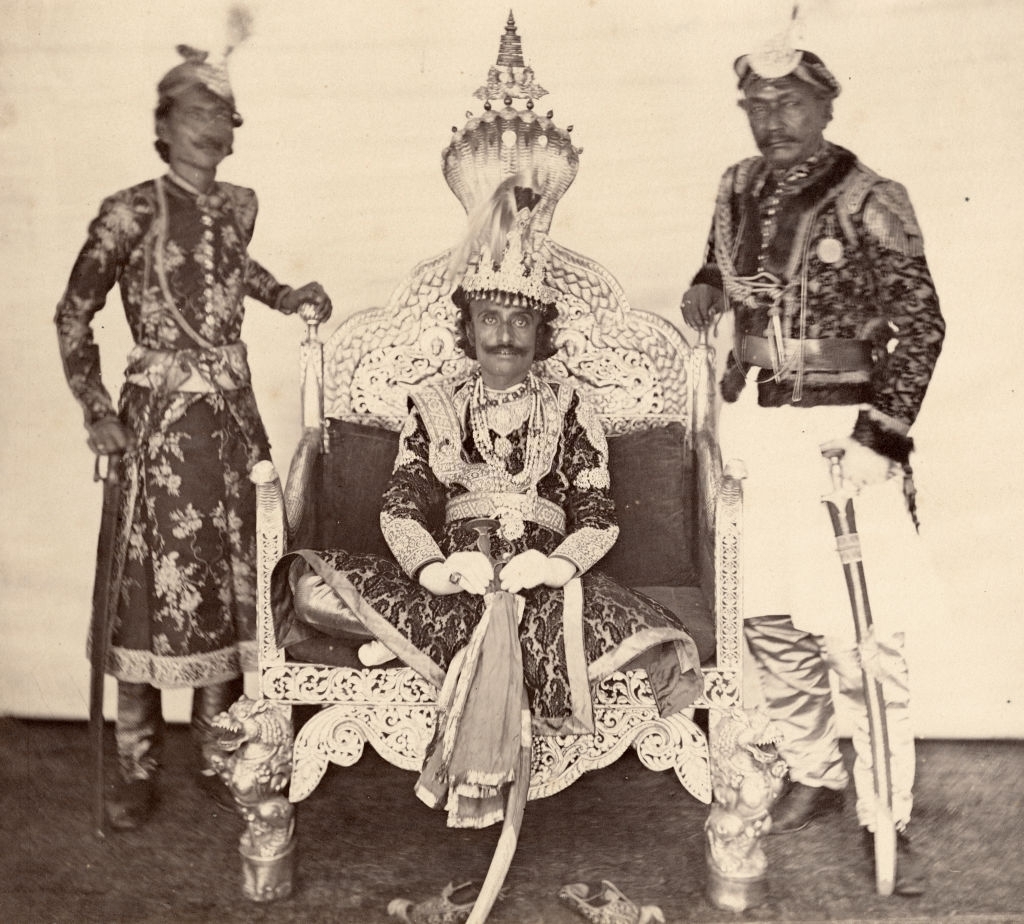
Surendra Bikram Shah was the King of Nepal from 1829 to 1881. He became king after Prime Minister Jung Bahadur Rana forced his father, Rajendra Bikram Shah, to abdicate.
Born as the crown prince, Surendra was the son of King Rajendra and his first wife, Queen Samrajya. He was born on 20 October 1829 and was relatively unpopular.
After the Kot massacre, Jung Bahadur Rana exiled Queen Rajya Lakshmi to Varanasi. King Rajendra accompanied her, making Surendra the prince regent before his departure.
Jung Bahadur Rana later forced the abdication of King Rajendra and made Surendra the king. As king, Surendra was a figurehead while Jung Bahadur Rana was the de facto ruler.
Surendra lived like a prisoner in his palace and could only read literature. He wanted to abdicate in favor of his eldest son Trailokya, but the Rana did not allow it.
In 1856, the king issued a sanad that formalized the political leadership of the Kunwar family. This allowed the Kunwar family to use the title 'Shri' thrice, ranking them second to the royal family.
His son, Crown Prince Trailokya Bir Bikram Shah Deva, married three daughters of Jung Bahadur Rana. Trailokya died in 1878, leaving Prithvi Bir Bikram Shah as the heir.
Surendra died on 17 May 1881. His grandson Prithvi succeeded him as the king of Nepal.
Key facts
- Surendra Bikram Shah was King of Nepal from 1829 to 1881.
- He was the son of King Rajendra and Queen Samrajya.
- Jung Bahadur Rana acted as the de facto ruler during his reign.
- In 1856, Surendra issued a sanad formalizing the dominance of the Kunwar family.