

 Liberia
Charles D. B. King
Charles Dunbar Burgess King was the 17th president of Liberia who served from 1920 to 1930.
 Biography DeskOctober 21, 2026
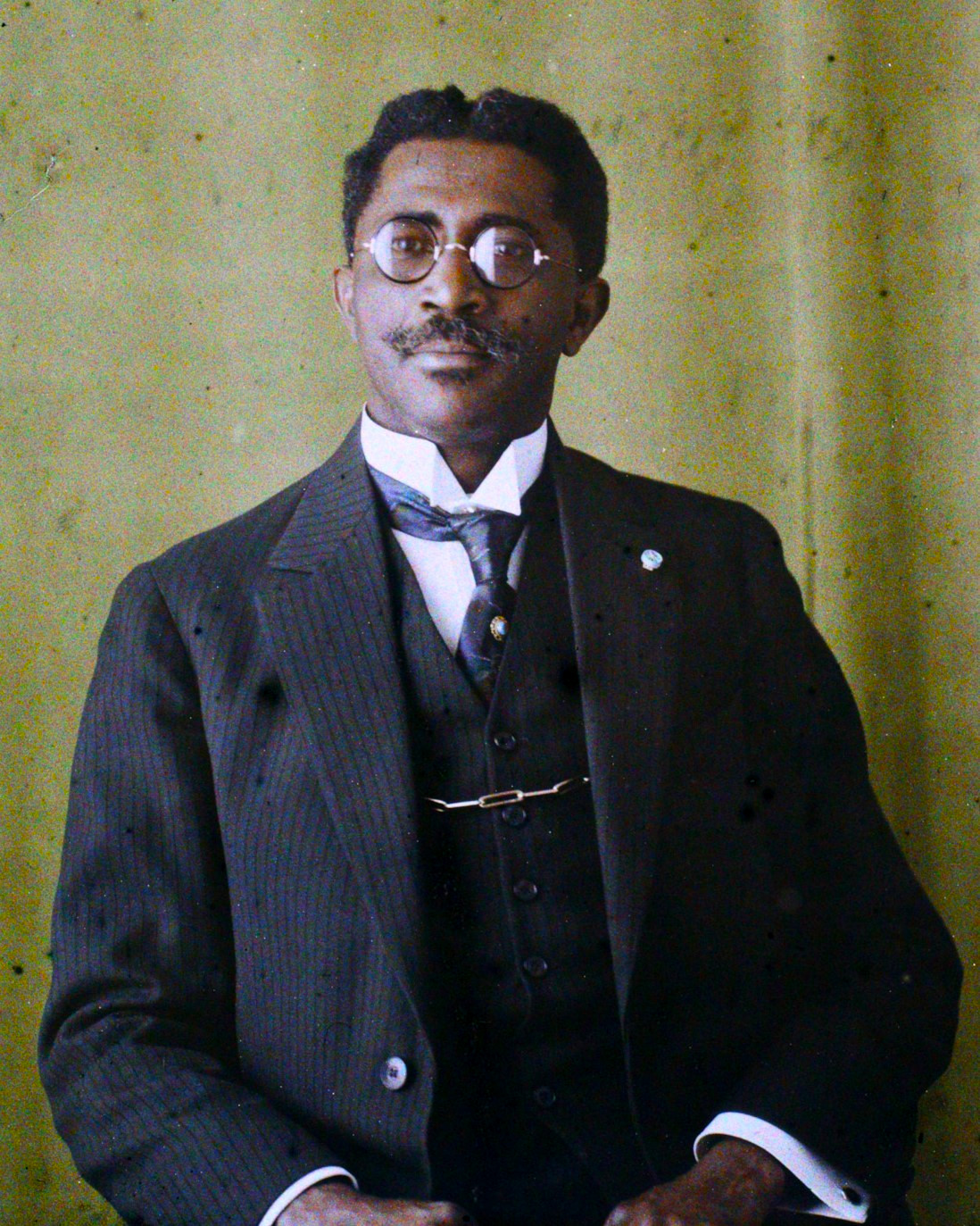
Charles Dunbar Burgess King was a Liberian politician of Americo-Liberian and Sierra Leone Creole descent. He was a member of the True Whig Party and served as the 17th president of Liberia from 1920 to 1930.
King served as Attorney General from 1904 until 1912. He then held the position of Secretary of State of Liberia from 1912 until his election as president in 1919.
As Secretary of State, King attended the 1919 Paris Peace Conference and the First Pan-African Congress. During his presidency, he helped establish the Booker Washington Institute in Kakata in 1929.
In 1921, King led a commission to the United States to seek reorganization of the country's debt. In 1925, his government agreed to a 99-year lease of 1,000,000 acres to the Firestone Rubber Company.
King won the 1927 presidential election against Thomas J. R. Faulkner. Official results showed King received 234,000 votes, though Liberia only had 15,000 registered voters at that time.
The Christy Report from the League of Nations found that government officials approved forced labor for public works. Following this report, King and Vice President Allen Yancy resigned in 1930.
After his presidency, King served as resident minister to the United States from 24 to 25 July 1947. He continued to serve as ambassador until 1952.
Key facts
- Charles Dunbar Burgess King was the 17th president of Liberia from 1920 to 1930.
- He served as Attorney General from 1904 to 1912 and Secretary of State from 1912 to 1919.
- The 1927 election reported 234,000 votes for King despite only 15,000 registered voters.
- He resigned in 1930 following the League of Nations Christy Report regarding forced labor.