

 India
Ravi Shankar
Pandit Ravi Shankar was an Indian sitarist and composer who played a major role in bringing Hindustani classical music to international audiences.
 Biography DeskOctober 30, 2026
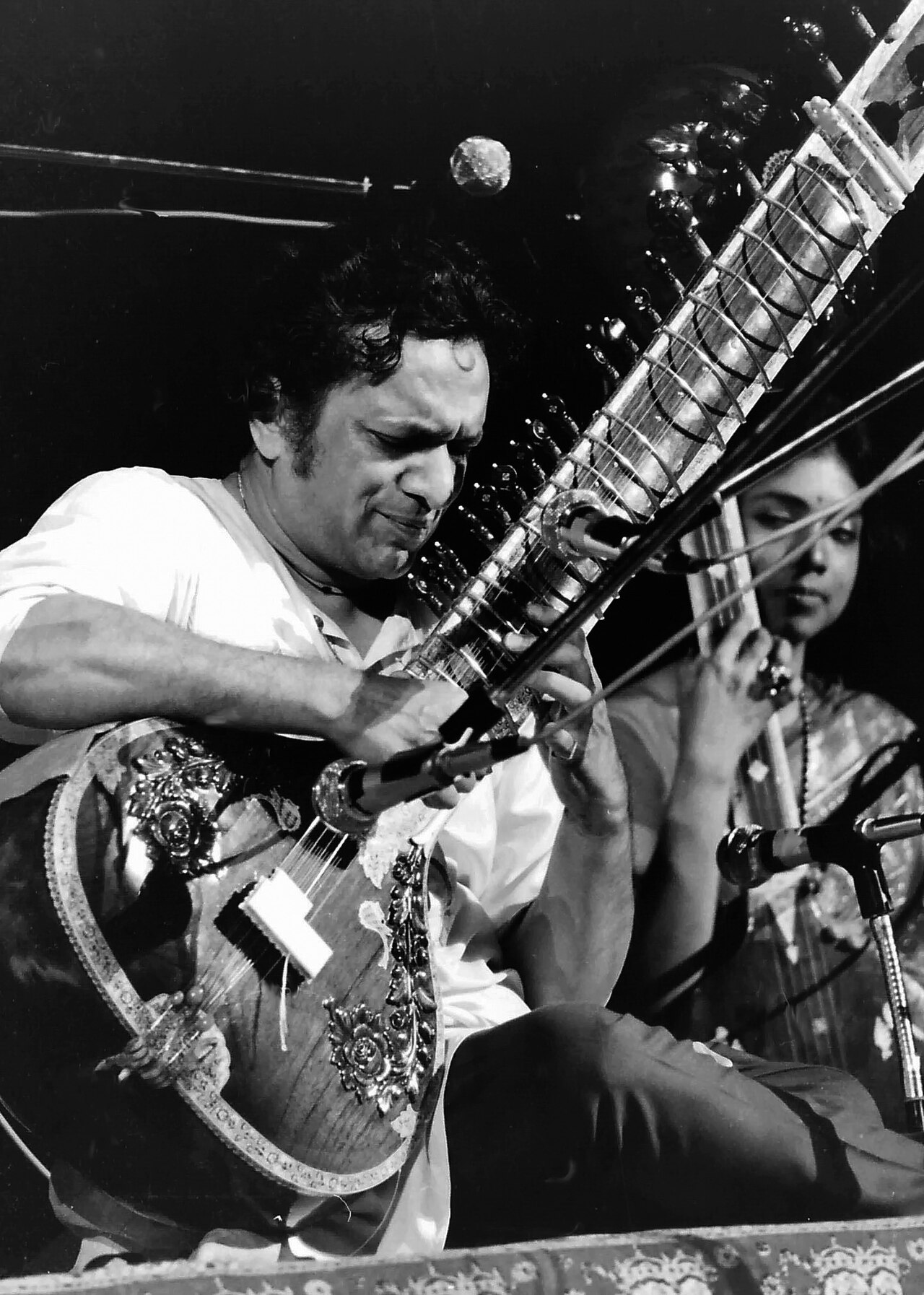
Pandit Ravi Shankar was an Indian sitarist and composer. He was a sitar virtuoso and one of the most prominent exponents of Hindustani classical music in the second half of the 20th century. He was awarded the Bharat Ratna, India's highest civilian honour, in 1999.
Born Robindro Shaunkor Chowdhury on 7 April 1920 in Benares, he was the youngest of seven brothers in a Bengali family. His father, Shyam Shankar Chowdhury, was a Middle Temple barrister and scholar. Shankar spent his youth touring India and Europe as a dancer with the group of his brother, Uday Shankar.
At age 18, Shankar left dancing to study the sitar for seven years under Allauddin Khan. He completed his musical training in 1944. He later worked as a music director for All India Radio, New Delhi, from 1949 to 1956 and composed music for the Apu Trilogy by Satyajit Ray.
Shankar began touring Europe and America in 1956. In the 1960s, his association with violinist Yehudi Menuhin and Beatles guitarist George Harrison helped increase the popularity of Indian classical music. He founded the Kinnara School of Music in Mumbai in 1962.
In 1971, he performed at the Concert for Bangladesh in New York, which won him a second Grammy Award. He was nominated for an Academy Award for his score for the film Gandhi in 1982. From 1986 to 1992, he served as a nominated member of the Rajya Sabha.
Shankar continued to perform and teach throughout his life. He won four Grammy Awards and a Polar Music Prize. He is the father of musician Anoushka Shankar and singer Norah Jones.
Key facts
- He was awarded the Bharat Ratna in 1999.
- He served as a nominated member of the Rajya Sabha from 1986 to 1992.
- He won four Grammy Awards during his career.
- He was a student of the musician Allauddin Khan.