

 Nepal
Rajendra Bikram Shah
Rajendra Bikram Shah was the King of Nepal whose reign saw the rise of the Rana dynasty.
 Biography DeskNovember 3, 2026
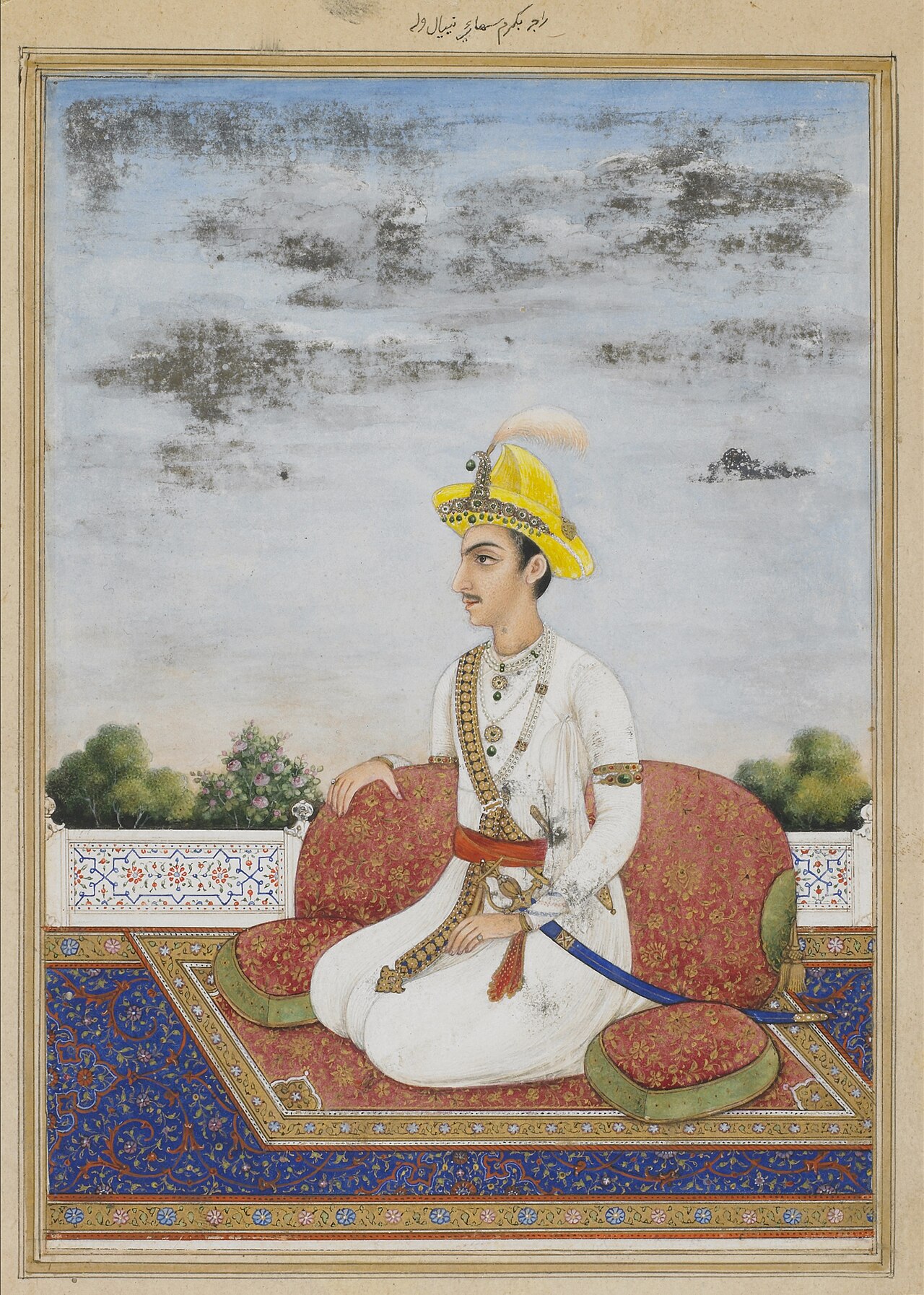
Rajendra Bikram Shah was the King of Nepal from 1813 to 1881. His reign was marked by the rise of the Ranas and the rise of Jung Bahadur Rana to power as prime minister.
He became king at age three following the death of his father, Girvan Yuddha Bikram Shah Deva. Most of his rule occurred under the regency of Queen Lalit Tripura Sundari Devi and Prime Minister Bhimsen Thapa.
In 1837, Rajendra announced his intention to rule independently and stripped Bhimsen Thapa and Mathabar Singh of military authority. Following the death of his elder queen's youngest son, Bhimsen Thapa was arrested on charges of poisoning the prince. Bhimsen Thapa later committed suicide in prison in 1839.
Between 1839 and 1841, Queen Samrajya served as the de facto regent. After her death in 1841, the junior queen, Queen Rajya Lakshmi, became the de facto regent. In January 1843, Rajendra declared he would rule only with the advice and agreement of Queen Rajyalakshmi.
The 1846 Kot massacre led to the rise of Bal Narsingh Kunwar, also known as Jung Bahadur Rana. During this period, the trusted officer Sardar Bhawani Singh Khatri was beheaded. Queen Rajyalakshmi and her two sons were later exiled to Varanasi, and Rajendra accompanied them.
While in exile, Rajendra attempted to mobilize an army to regain power, but Jung Bahadur attacked his camp in Alau. Rajendra was captured and forced to abdicate the throne in favor of his son, Surendra. He lived under house arrest in Bhaktapur and Hanuman Dhoka Palace for the rest of his life.
Rajendra died on 10 July 1881 at the age of 67 in Bhaktapur Durbar Square. He passed away during the reign of his great-grandson.
Key facts
- Rajendra Bikram Shah became king at age three.
- The Kot massacre in 1846 led to the rise of Jung Bahadur Rana.
- Rajendra was forced to abdicate in favor of his son Surendra.
- He lived under house arrest until his death on 10 July 1881.