

 Ethiopia
Abu al-Misk Kafur
Abu al-Misk Kafur was a dominant ruler of Ikhshidid Egypt and Syria who rose from being an African slave to a powerful leader.
 Biography DeskOctober 20, 2026
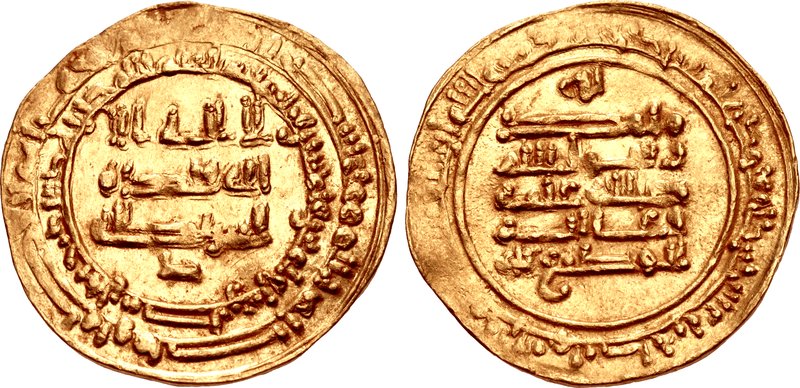
Abu al-Misk Kafur al-Ikhshidi was a dominant personality of Ikhshidid Egypt and Syria. He was originally a black slave from Abyssinia, Nubia, or the Bilad al-Sudan. His name means musky camphor.
Muhammad ibn Tughj purchased Kafur as a slave in 923. Ibn Tughj freed him after recognizing his intelligence and talent. The story says Kafur was freed because he kept his eyes on his master instead of the master's gifts.
Ibn Tughj appointed Kafur to supervise the education of his two sons. Kafur later became a military officer and a field commander. In 945, he conducted a military mission to Syria and was in charge of campaigns in the Hejaz.
After the death of Muhammad ibn Tughj, Kafur became the de facto ruler of Egypt in 946. He acted as guardian for the sons of Ibn Tughj. He helped Anūdjūr secure the succession in 946 and helped ʿAlī ibn al-Ikhshīd in 961. He declared himself the sole master of Egypt in 966.
Kafur maintained stability in Egypt by putting down a rebellion by Ghalbūn in 947 and 948. He also averted a coup d'état by Anūdjūr in 954. He protected the Ikhshidid establishment from the Hamdanids, Fatimids, Qarmatians, and the Nubians.
He secured Damascus from the Hamdanids in 947 and delayed Fatimid expansion into Egypt. Kafur maintained economic stability despite a fire in Fustat in 954 and an earthquake in 955 or early 956. He also managed food-price inflation and civil disturbances in 949, 952, 955, and 963, 968.
Kafur was a patron of scholars and constructed two mosques in Giza and on al-Muqattam. He built a hospital and several palaces. He was patron to the poet al-Mutanabbi, who later wrote satirical poems against him. Kafur died in April 968 and was buried in Jerusalem near the Gate of the Tribes on the Haram al-Sharif.
Key facts
- Kafur was a former slave from Abyssinia, Nubia, or the Bilad al-Sudan.
- He ruled Ikhshidid Egypt and southern Syria from 946 until his death in 968.
- He successfully protected the Ikhshidid domains from the Hamdanids, Fatimids, Qarmatians, and Nubians.
- He was buried in Jerusalem near the Gate of the Tribes on the Haram al-Sharif.