

 Nepal
Birendra of Nepal
Shree Panch Birendra Bir Bikram Shah Dev was the King of Nepal from 1972 until his assassination in 2001.
 Biography DeskOctober 24, 2026
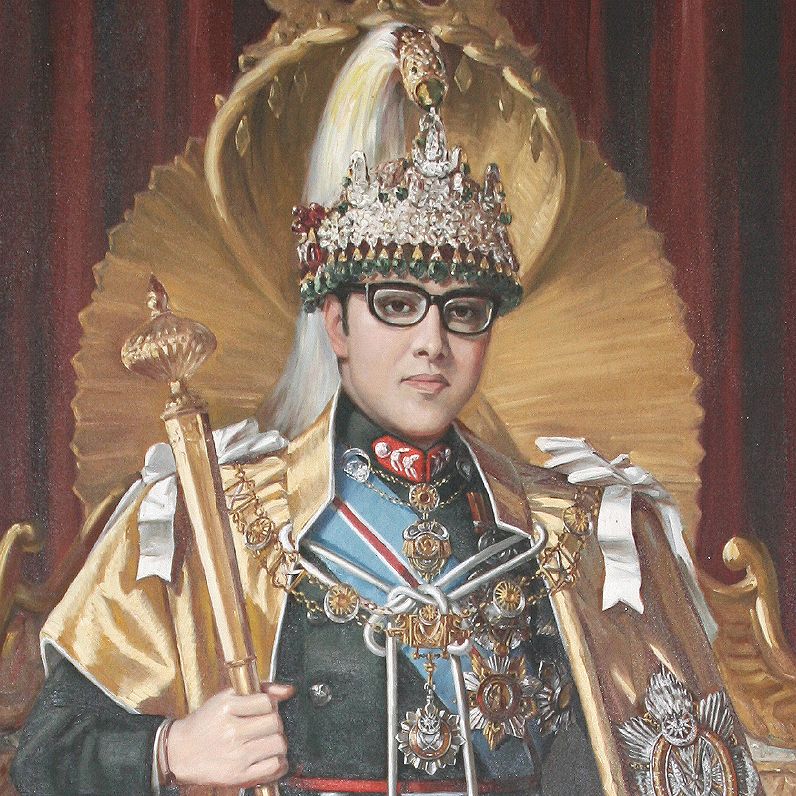
Birendra was the son of King Mahendra and Crown Princess Indra Rajya Lakshmi Devi. He was born at the Narayanhiti Royal Palace in Kathmandu. Although not the eldest son, he became crown prince after his brother Rabindra Shah was deemed illegitimate.
He studied at St Joseph's School in Darjeeling for eight years with his brother Gyanendra. Birendra attended Eton College in the United Kingdom from 1959 to 1964. He later studied at the University of Tokyo and political theory at Harvard University from 1967 to 1968.
Birendra ascended the throne on 31 January 1972, though his coronation occurred on 24 February 1975. He initially ruled as an absolute monarch under the panchayat system. In May 1980, a referendum was held where the multi-party system won with 55% of the vote.
Following pro-democracy riots in 1990, Birendra lifted the ban on political parties. He promulgated a new constitution on 9 November 1990, transforming Nepal into a constitutional monarchy. During his reign, the Nepalese Civil War began in 1996 when the Communist Party of Nepal (Maoist) launched an insurgency.
As king, he promoted Nepal as a zone of Peace at the United Nations. He helped establish the SAARC Secretariat in Kathmandu and expanded diplomatic relations to 96 countries. He also established the Birendra Peace Operations Training Centre to train peacekeeping forces.
Birendra supported nature conservation by establishing several national parks, including Chitwan National Park in 1973 and Sagarmatha National Park. He helped enlist Sagarmatha and Chitwan into the UNESCO World heritage sites. He also oversaw the creation of various industrial areas such as Nepalgunj and Pokhara.
On 1 June 2001, Birendra and his immediate family were killed during a dinner at the Narayanhiti Palace. The massacre was carried out by his son, Crown Prince Dipendra. After Dipendra was declared dead, his brother Gyanendra became king.
Key facts
- Birendra ruled as an absolute monarch before becoming a constitutional monarch in 1990.
- He proposed that Nepal be declared a zone of Peace at the United Nations.
- He established numerous protected areas, including Langtang, Rara, and Khaptad National Parks.
- He was assassinated on 1 June 2001 during the Nepalese royal massacre.