

 Bhutan
Jigme Dorji Wangchuck
Jigme Dorji Wangchuck was the King of Bhutan from 1952 until 1972 who initiated modernization and democratization.
 Biography DeskOctober 17, 2026
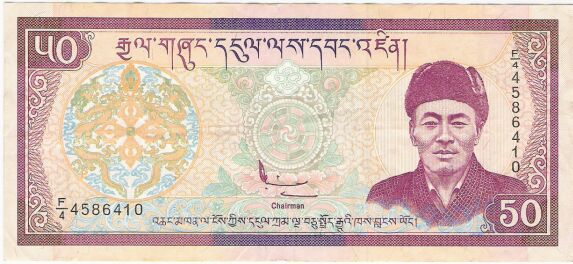
Jigme Dorji Wangchuck was the King of Bhutan from 30 March 1952 until his death in 1972. He began the modernization of Bhutan and took the first steps towards democratization.
Born in 1928 at Thruepang Palace in Trongsa, he was apprenticed in leadership and etiquette at his father's royal court. He received a British education in Kalimpong and at Bishop Cotton School in Simla. He also went on study tours to Switzerland and Scotland.
He was appointed Trongsa Dronyer in 1943 and became the 25th Paro Penlop in 1950. He married Ashi Kesang Choden Wangchuck on 5 October 1951 at Ugyen Pelri Palace in Paro. Following the death of his father, he was crowned King in Punakha Dzong on 27 October 1952.
During his reign, he reorganized society and government while consolidating Bhutan's security. He established the National Assembly in 1953 at Punakha Dzong and passed the Thrimzhung Chenmo in 1959. He also created the High Court in 1968 and the Royal Bhutan Army in 1963.
To preserve culture, he established Simtokha Rigzhung Lobdra in 1967 and introduced modern education through schools like Kanglung in 1968 and Yangchenphug in 1969. He also founded the Kingdom's free health service and an Agriculture Department. His administration began the 1st Five Year Plan in 1961 to build roads, schools, and hospitals.
He expanded foreign relations by joining the Colombo Plan in 1962 and the United Nations in 1971. Bhutan was the first nation after India to recognize the independence of Bangladesh. He died in July 1972 while in Nairobi receiving treatment for heart problems.
Key facts
- Jigme Dorji Wangchuck reigned as King of Bhutan from 1952 to 1972.
- He established the National Assembly in 1953 and the Thrimzhung Chenmo in 1959.
- The 1st Five Year Plan commenced in 1961 to develop infrastructure.
- Bhutan joined the United Nations in 1971 during his reign.