

 Nepal
Damodar Pande
Damodar Pande was the Mulkaji of Nepal and a prominent Kaji who served during the Sino-Nepalese War.
 Biography DeskNovember 5, 2026
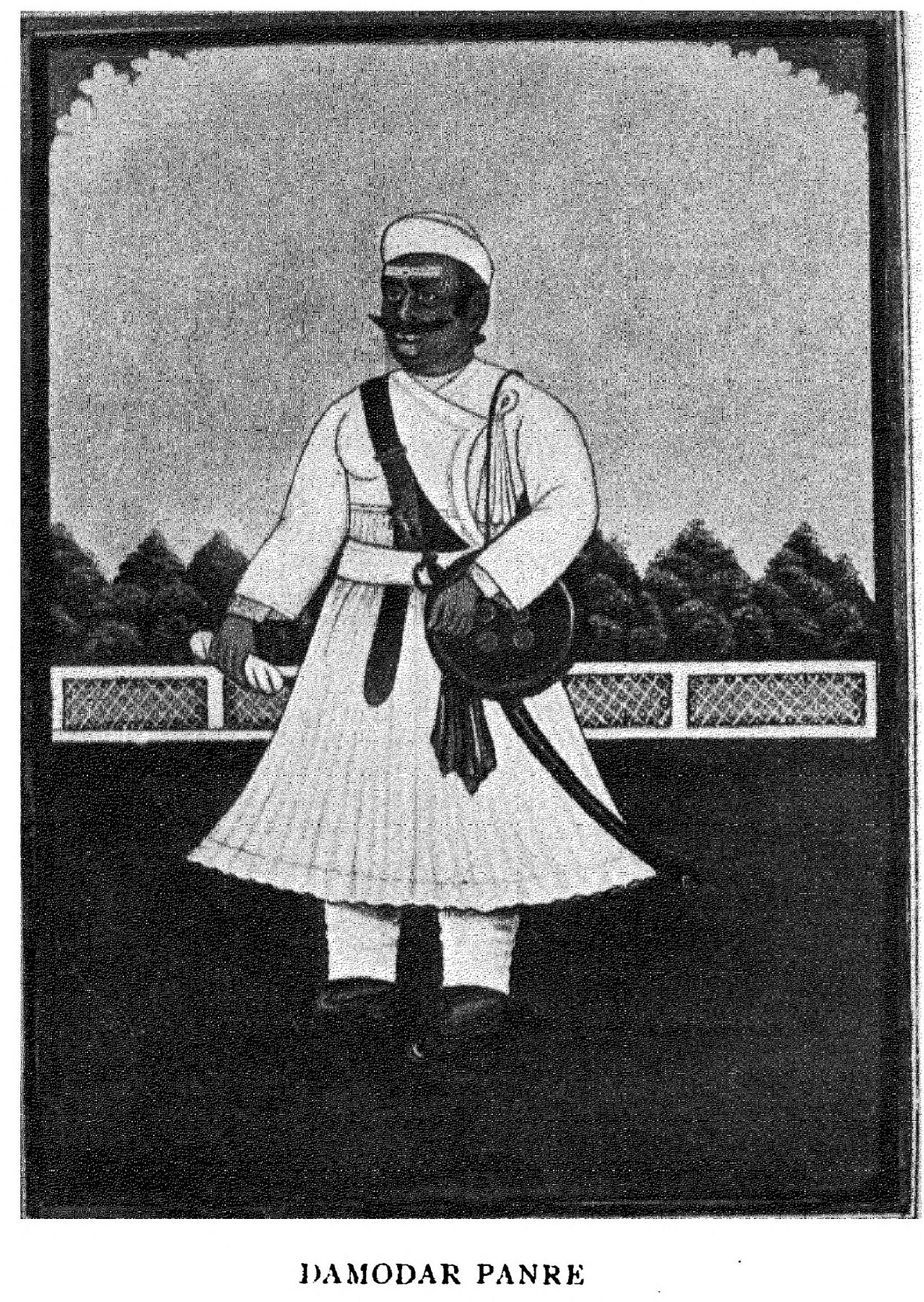
Damodar Pande was the Mulkaji of Nepal from 1803 until March 1804. He was an influential Kaji from 1794 until his execution on March 13, 1804.
Born in 1752 in Gorkha, he was the youngest son of Kalu Pande. Kalu Pande was a famous Kaji of Prithivi Narayan Shah.
Damodar Pande served as a commander during the Sino-Nepalese War and the Nepal-Tibet War. He was a successful Gorkhali warrior sent towards the east by Prithivi Narayan Shah.
In 1791, Damodar Pande commanded an army to Kuti and attacked Digarcha. He captured the property of the monastery and arrested the minister of Lhasa, Dhoren Kazi.
Following the conflict with the Qing empire, King Rana Bahadur Shah deputed Damodar Pande to conclude a treaty with the Chinese Emperor. This royal order was issued in September 1792.
In February 1803, Rajrajeshowri elected Damodar Pande as the Chief (Mul) Kaji. During the minority of King Girvan Yuddha Shah, he took over the administration as Mulkaji from 1799 to 1804.
Damodar Pande managed administration and foreign affairs while attempting to protect the young king. He sought to keep Rana Bahadur Shah in Banaras.
In March 1804, Rana Bahadur Shah returned to Nepal and took the post of Mukhtiyar. Damodar Pande was arrested at Thankot and beheaded.
Key facts
- Damodar Pande served as Mulkaji of Nepal from 1803 to 1804.
- He was the son of Kalu Pande and was born in Gorkha in 1752.
- He commanded Gorkhali troops during the Sino-Nepalese War.
- He was executed in Thankot on March 13, 1804.