

 New Zealand
Bernard Freyberg, 1st Baron Freyberg
Bernard Freyberg was a British-born New Zealand soldier, Victoria Cross recipient, and the 7th governor-general of New Zealand.
 Biography DeskOctober 30, 2026
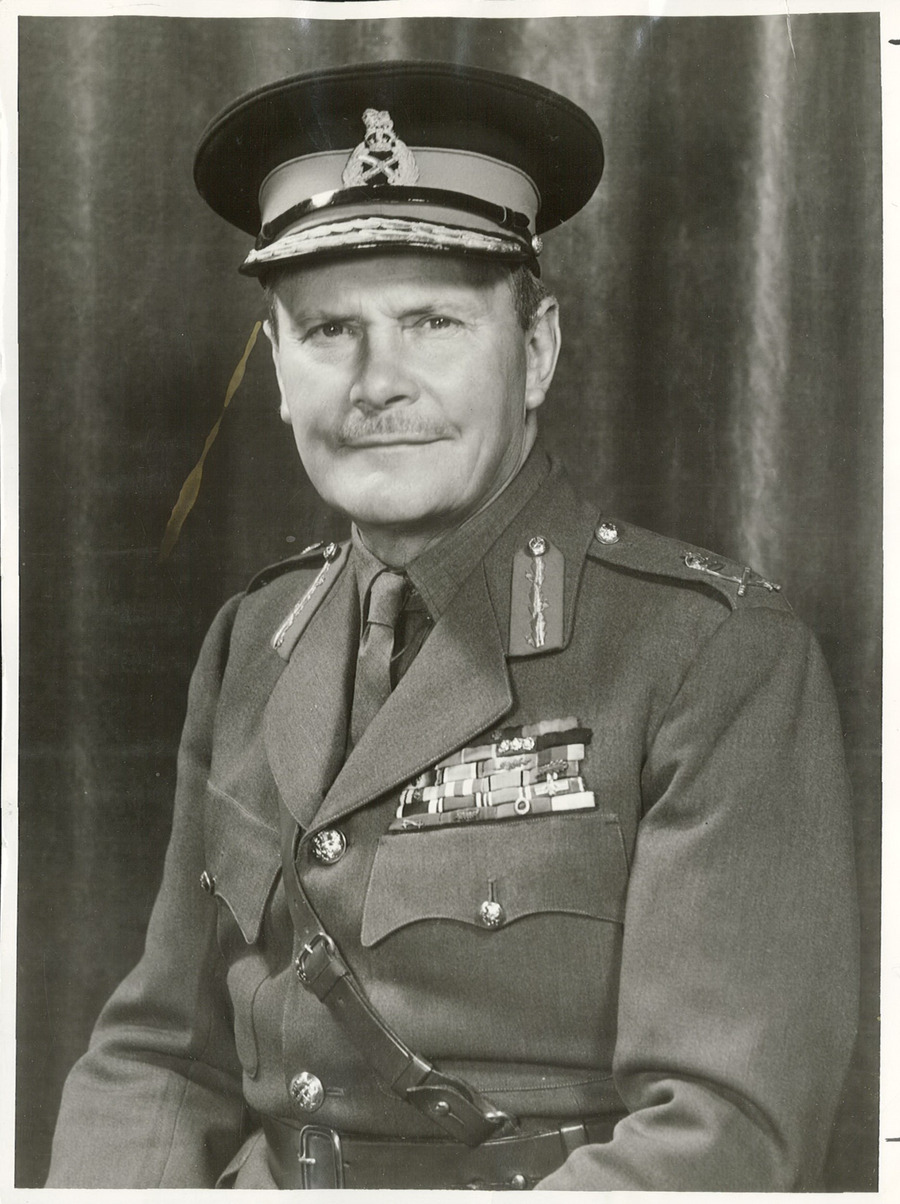
Lieutenant-General Bernard Cyril Freyberg, 1st Baron Freyberg, was a British-born New Zealand soldier and Victoria Cross recipient. He served as the 7th governor-general of New Zealand from 1946 to 1952. He was the first governor-general to be raised and educated in New Zealand.
Born on 21 March 1889 at 8 Dynevor Road, Richmond, Surrey, he was the youngest of five boys. He moved to New Zealand with his parents at age two. He attended Wellington College from 1897 to 1904 and won the New Zealand 100-yards championship in 1906 and 1910.
Freyberg joined the New Zealand Territorial Army in 1911 as a Second Lieutenant in the Hauraki Regiment. In 1914, he travelled to Britain via Los Angeles and New York. During the First World War, he served in the Royal Naval Brigade and participated in the Dardanelles campaign in April 1915.
He was awarded the Victoria Cross for his actions at Beaucourt-sur-Ancre, France, in November 1916. During the Battle of the Somme, he rallied his men and captured a village and 500 prisoners. He was one of the most highly decorated British Empire soldiers of the First World War, earning a DSO with three bars.
During the Second World War, Freyberg commanded the New Zealand Expeditionary Force. He led the 2nd New Zealand Division during the Battle of Crete, the North African campaign, and the Italian campaign. He commanded during the Second Battle of El Alamein and the subsequent Tunisian campaign.
In Italy, he served as a corps commander and was involved in the Second Battle of Cassino. He later relieved Padua and Venice and was among the first to enter Trieste. By the end of the Second World War, he had spent ten and a half years fighting the Germans.
Key facts
- Bernard Freyberg was the 7th governor-general of New Zealand from 1946 to 1952.
- He received the Victoria Cross for his leadership during the Battle of the Somme in 1916.
- He commanded the 2nd New Zealand Division during the Second World War.
- He was a highly decorated soldier with a Victoria Cross and three bars to the Distinguished Service Order.