

 Ireland
Samuel Beckett
Samuel Beckett was an Irish playwright, novelist, and poet who received the 1969 Nobel Prize in Literature.
 Biography DeskOctober 22, 2026
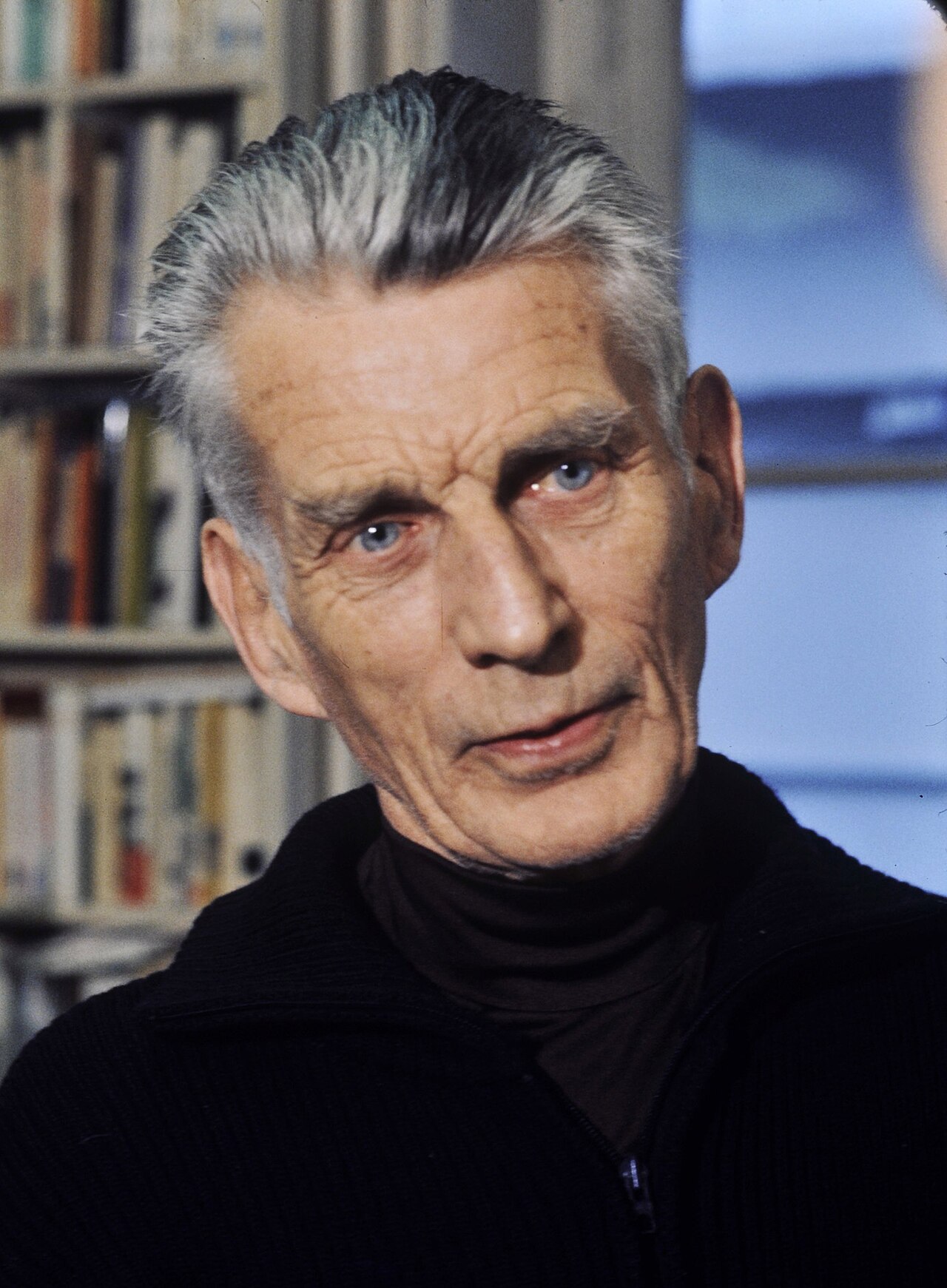
Samuel Barclay Beckett was an Irish playwright, novelist, and poet. He is known for his tragicomedy play Waiting for Godot (1953) and is considered a key figure in the Theatre of the Absurd.
Born on 13 April 1906 in Foxrock, Dublin, he was the son of William Frank Beckett and Maria Jones Roe. He attended Earlsfort House School and later Portora Royal School in Enniskillen.
Beckett studied modern literature and Romance languages at Trinity College Dublin, graduating with a BA in 1927. He was a natural athlete who played first-class cricket for Dublin University.
After teaching at Campbell College in Belfast, he worked at the École Normale Supérieure in Paris from 1928 to 1930. During this time, he became a close friend of James Joyce and assisted him with research for Finnegans Wake.
In 1930, Beckett returned to Trinity College as a lecturer before resigning at the end of 1931. He published his critical study Proust in 1931 and his short-story collection More Pricks Than Kicks in 1933.
During the Second World War, Beckett joined the French Resistance group Gloria SMH. He worked as a courier and was awarded the Croix de Guerre in 1945.
He received the 1969 Nobel Prize in Literature for his writing in new forms for the novel and drama. In 1984, he was elected the first Saoi of the Aosdána.
Beckett died on 22 December 1989 and was buried at the Cimetière du Montparnasse. His most famous play, Waiting for Godot, was voted the most significant English-language play of the 20th century in 1998.
Key facts
- Samuel Beckett won the Nobel Prize in Literature in 1969.
- He was a member of the French Resistance group Gloria SMH during World War II.
- He was the first Saoi of the Aosdána, elected in 1984.
- His play Waiting for Godot was written in 1953.