

 United States
Paul Ridker
Paul M. Ridker is a cardiovascular epidemiologist and biomedical researcher who holds professorships at Harvard University and Brigham and Women's Hospital.
 Biography DeskNovember 11, 2026
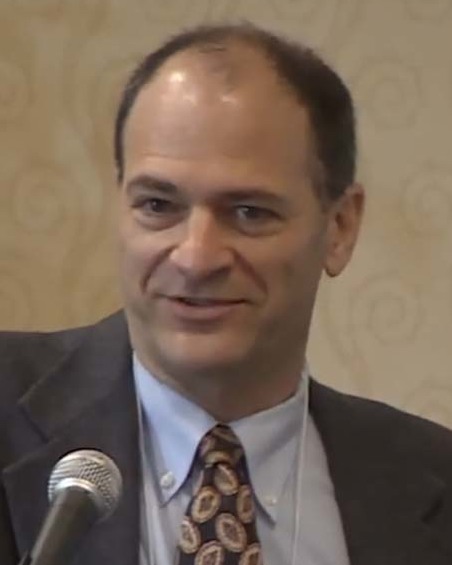
Paul M. Ridker is a cardiovascular epidemiologist and biomedical researcher. He is the Eugene Braunwald Professor of Medicine at Harvard University and Brigham and Women's Hospital. He also serves as a Professor in the Department of Epidemiology at the Harvard T.H. Chan School of Public Health.
Born in St. Louis, Missouri in 1959, Ridker attended Brown University and graduated with a Bachelor of Science in 1981. He earned his MD from Harvard Medical School in 1986. He completed his residency at West Roxbury VA Medical Center and Brigham and Women’s Hospital in Boston, Massachusetts. In 1992, he received a Master of Public Health degree from the Harvard T.H. Chan School of Public Health.
Ridker directs the Center for Cardiovascular Disease Prevention. His research combines vascular biology, epidemiology, and randomized clinical trials to study diabetes, stroke, and heart disease. He is responsible for the clinical development of high sensitivity C-reactive protein (hsCRP). He also coined the term "residual inflammatory risk."
In 1997, Ridker showed that elevated interleukin-6 and hsCRP levels in healthy individuals were major risk markers for cardiovascular death, diabetes, stroke, and heart attack. Between 1998 and 2005, he demonstrated that statin drugs used to lower cholesterol also lowered hsCRP. This led to the 2008 JUPITER primary prevention trial, which showed that individuals with elevated hsCRP could reduce their risk of future stroke or heart attack by half using statin therapy.
In 2010, Ridker obtained funding to conduct the CANTOS and CIRT trials regarding the NLRP3 to Interleukin-1b to Interleukin-6 pathway. The CANTOS trial reported in late 2017 that inflammation inhibition with the monoclonal antibody Canakinumab can significantly reduce cardiovascular deaths and future risks of heart attack among high-risk patients. The CIRT trial showed no benefit to low-dose Methotrexate.
Findings from CANTOS also showed significant reductions in lung cancer fatality and lung cancer by reducing inflammation in the tumor microenvironment. These data have led to trials studying Interleukin-1 inhibition for non small cell lung cancers. The work also demonstrated potential benefits for renal failure, anemia, and large joint osteoarthritis.
Ridker has served as Trial Chair of the Steering Committee for several trials, including JUPITER, CANTOS, CIRT, and others such as PRINCE, VAL-MARC, PREVENT, SPIRE-1, SPIRE-2, PROMINENT, ACTIV-4B, and ZEUS. He was named one of TIME's 100 Most Influential: Scientists & Thinkers in 2004. He was elected to the National Academy of Medicine in 2020.
Key facts
- Paul M. Ridker is the Eugene Braunwald Professor of Medicine at Harvard University.
- He developed the clinical use of high sensitivity C-reactive protein (hsCRP) as a marker of inflammation.
- The CANTOS trial demonstrated that Canakinumab can reduce cardiovascular risks by targeting interleukin-1-beta.
- Ridker has an H-index above 220 and is among the most cited researchers in cardiovascular medicine.