

 Nigeria
Yakubu Gowon
Yakubu Dan'juma "Jack" Gowon is a Nigerian general and statesman who served as the military head of state from 1966 to 1975.
 Biography DeskNovember 11, 2026
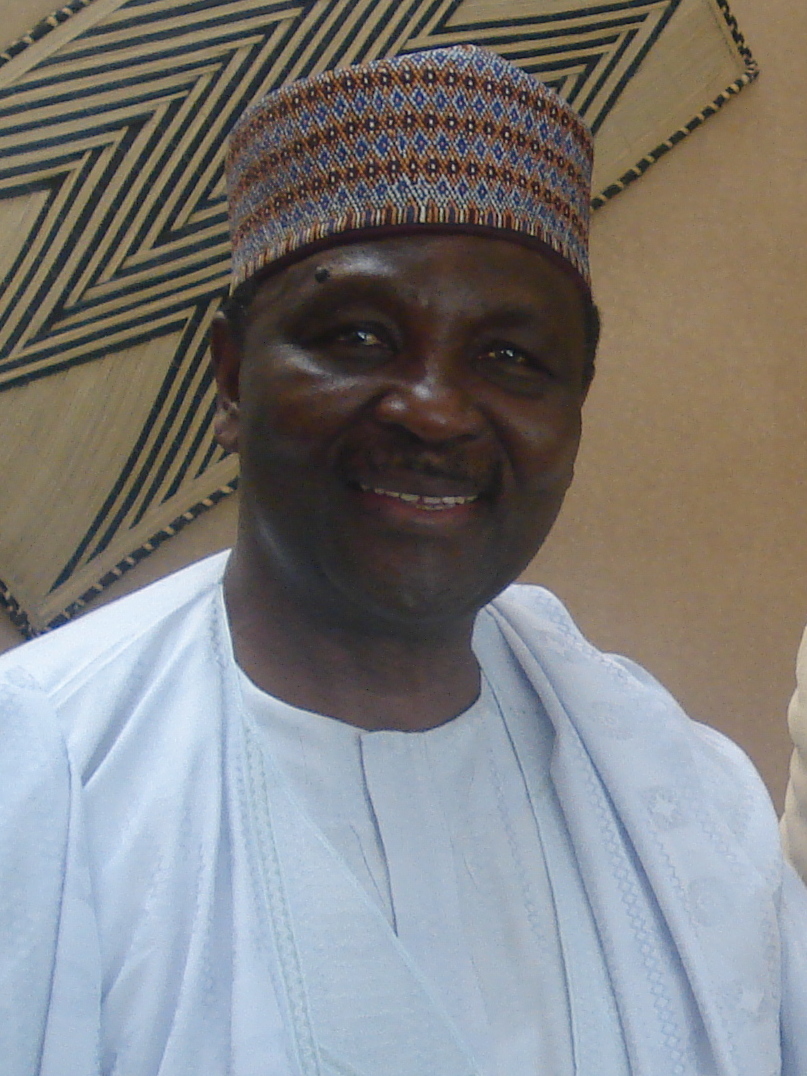
Yakubu Dan'juma "Jack" Gowon is a Nigerian general and statesman. He served as the military head of state of Nigeria from 1966 to 1975. He led the country during the Nigerian Civil War, also known as the Biafra War.
Gowon was born on 19 October 1934 into the Ngas ethnic group. His parents, Nde Yohanna and Matwok Kurnyang, were Church Missionary Society missionaries in Wusasa, Zaria. He grew up in Zaria and was a remarkable athlete, serving as a football goalkeeper, pole vaulter, and boxing captain.
He joined the Nigerian Army in 1954 and received his commission as a second lieutenant on 19 October 1955. Gowon trained at the Royal Military Academy Sandhurst and Staff College, Camberley. He also served in the Congo as part of the United Nations Peacekeeping Force in 1960, 61 and 1963.
In January 1966, Gowon became Nigeria's youngest military chief of staff at age 31. Following the July 1966 counter-coup, he was named Head of State. Upon his ascent to power, he reversed the abolition of the federal principle.
As Head of State, Gowon promoted himself to Major-General in 1967 and to full General in 1970. He created twelve new states to replace the four regions. This included carving out Rivers State and South-Eastern State from the Eastern Region.
The Nigerian Civil War lasted thirty months and ended in January 1970. After the surrender of Biafran forces, Gowon delivered a "no victor, no vanquished" speech. He initiated programs for reconciliation, reconstruction, and rehabilitation.
Gowon served as head of state for almost nine years. His rule ended in 1975 following a coup d'état by Brigadier Murtala Mohammed.
Key facts
- Yakubu Gowon served as Nigeria's head of state from 1966 to 1975.
- He led Nigeria during the Nigerian Civil War, also known as the Biafra War.
- Gowon was trained at the Royal Military Academy Sandhurst in the UK.
- He created twelve new states in Nigeria to replace the original four regions.