

 Myanmar
Mindon Min
Mindon Min was the penultimate king of Burma who reigned from 1853 to 1878.
 Biography DeskOctober 21, 2026
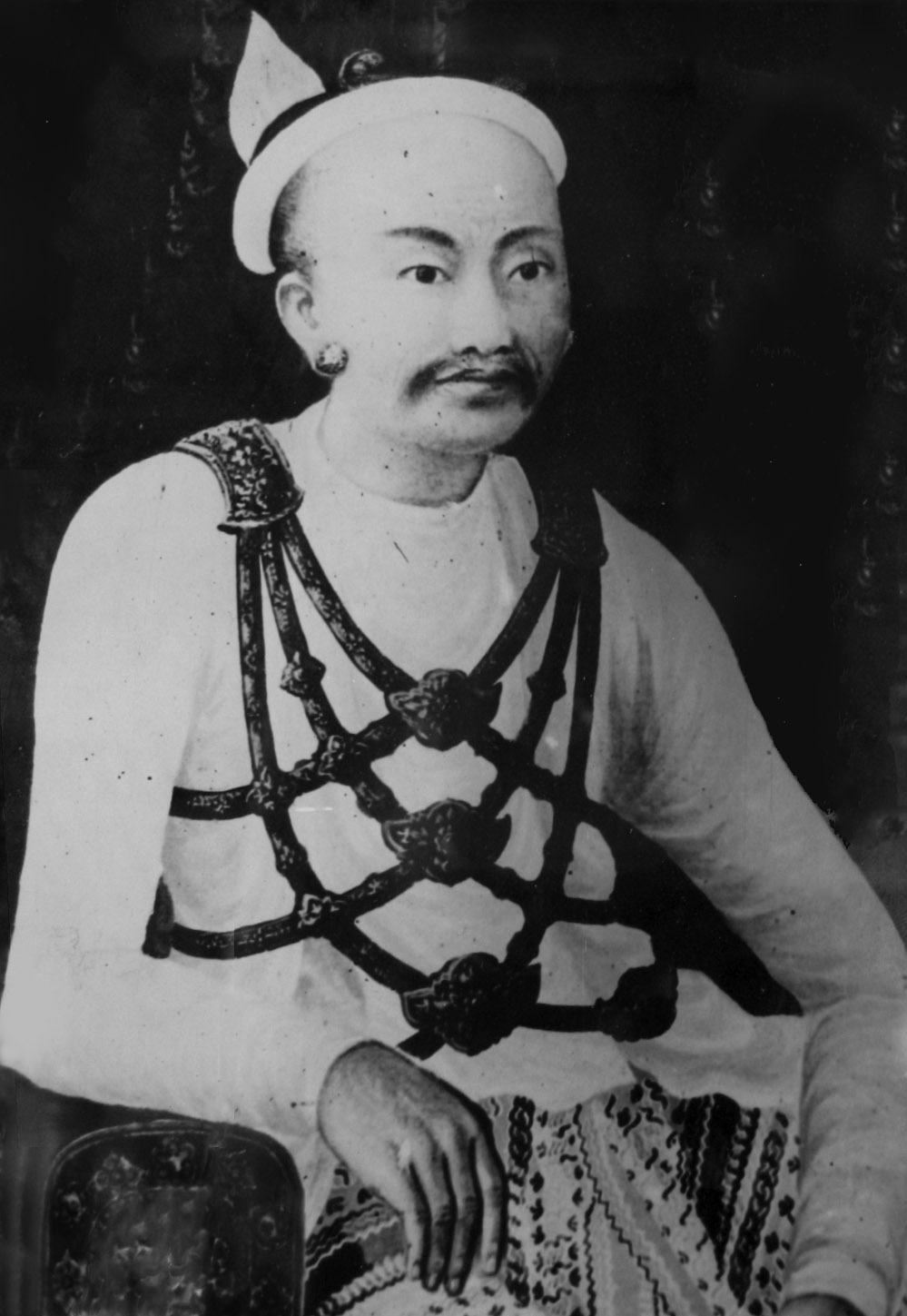
Mindon Min, born Maung Lwin, was the penultimate king of Burma from 1853 to 1878. He is known for his role in the Fifth Buddhist Council and for attempting to modernize his kingdom.
Born in 1808 to Tharrawaddy Min and Chandra Mata Mahay, he studied at the Maha Zawtika monastic college in Amarapura until age 23. He maintained deep respect for religious scholarship throughout his life.
Mindon ascended the throne on 18 February 1853 with the regnal name Thiri Thudhamma Tilawka Pawara Maha Dhamma Razadiraza. He took power following a conflict with his half-brother, King Pagan, and his brother Kanaung Mintha.
During his early reign, Mindon ruled jointly with Kanaung, who managed technology, modernization, and the arts. Mindon established a ceasefire with the British on 30 June 1853 and defended the country against Siamese encroachment.
In 1857, Mindon founded the royal capital of Mandalay. He introduced machine-struck coins, reformed the financial and judicial systems, and enacted the Seventeen Articles on 15 August 1873.
Mindon held the Fifth Buddhist council in 1871 and inscribed the Tipitaka on marble slabs at the Kuthodaw Pagoda in 1868. He also donated a new hti to the Shwedagon Pagoda in 1871.
Following a palace coup in 1866 involving his sons Myingun and Myingundaing, Mindon faced a succession crisis. After his death in 1878, his son Thibaw succeeded him.
Key facts
- Mindon Min reigned as the penultimate king of Burma from 1853 to 1878.
- He founded the royal capital of Mandalay in 1857.
- He convened the Fifth Buddhist Council in 1871.
- He enacted the Seventeen Articles in 1873.