 Botswana
EU Suspends Namibian Meat Imports
The European Union has temporarily suspended the entry of fresh meat and certain processed meat products from Namibia due to a foot-and-mouth disease outbreak. The move affects Namibia's largest beef market, with over 80% of its beef exports going to the EU.
 Global Newsflix 2 min read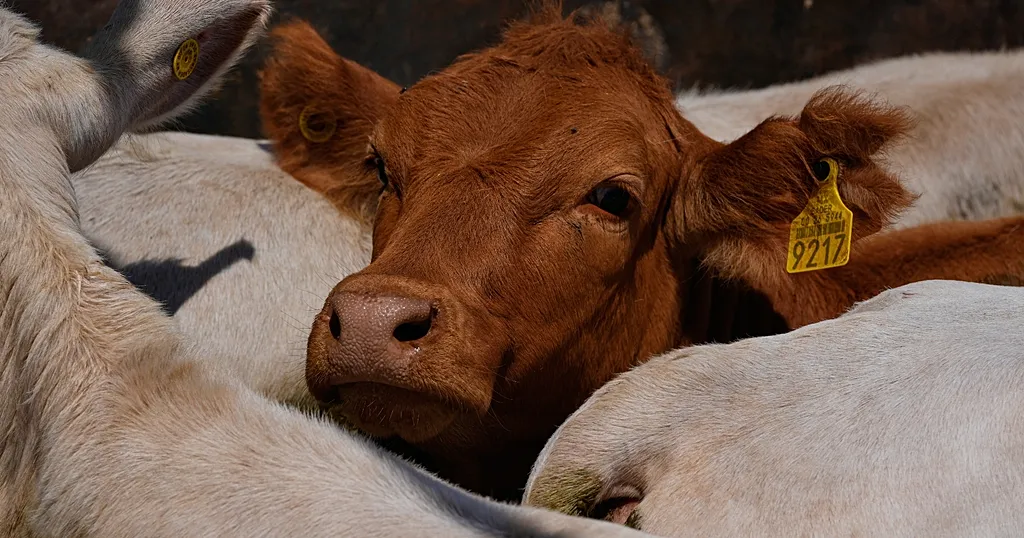
The European Union has suspended the import of fresh meat and certain processed meat products from Namibia due to an outbreak of foot-and-mouth disease (FMD) in the country. The suspension covers fresh meat from cattle, sheep, and goats, as well as relevant farmed and wild ungulates and certain processed meat products such as biltong and jerky.
The outbreak was confirmed on September 23 on a commercial farm in the Karasburg State Veterinary District in the //Kharas Region, resulting in the World Organization for Animal Health suspending Namibia's FMD-free status. As of October 5, a total of 127 confirmed cases of FMD have been detected across 15 farms in the //Kharas Region.
President Netumbo Nandi-Ndaitwah announced that surveillance teams have inspected 29,313 animals across 68 farms, with 20 surveillance teams constituted and 10 roadblocks established across the //Kharas Region to support the response.
The EU Ambassador to Namibia, Ana Beatriz Martins, said that consignments of fresh ungulate meat certified by Namibian authorities before September 23 should be permitted to enter the EU during a 90-day period from that date, subject to decisions by EU member states' border control posts.
The restrictions are precautionary animal-health measures consistent with international standards and do not affect Namibia's preferential trade access under the EU-Southern African Development Community Economic Partnership Agreement.
The government's disease-control response includes intensified surveillance, tracing and testing, movement controls, veterinary roadblocks, and biosecurity measures. Culling is being considered as one of the measures to reduce the spread of FMD, particularly in affected and high-risk areas.
The suspension of meat imports from Namibia is expected to have a significant impact on the country's livestock industry, with the EU being the largest market for Namibian beef. Around 10 million kilograms of Namibian beef are exported to Europe annually, and a quarter of 40,000 direct jobs involved in exports to Europe may be affected by the suspension.
Key facts
- The EU has suspended the import of fresh meat and certain processed meat products from Namibia due to an FMD outbreak.
- 127 confirmed cases of FMD have been detected across 15 farms in the //Kharas Region as of October 5.
- The outbreak has resulted in the suspension of Namibia's FMD-free status by the World Organization for Animal Health.
- The EU is Namibia's largest beef market, accounting for over 80% of its beef exports.
Three perspectives
Neutral
The suspension of meat imports from Namibia is a precautionary measure to prevent the spread of FMD. The impact of the suspension on Namibia's livestock industry will depend on the effectiveness of the government's disease-control response. The situation is being closely monitored by the EU and the World Organization for Animal Health.
Positive
The swift response by the Namibian government and the EU to the FMD outbreak demonstrates a commitment to protecting animal health and preventing the spread of the disease. The suspension of meat imports is a necessary measure to ensure the safety of the EU's food supply.
Negative
The suspension of meat imports from Namibia is expected to have a significant impact on the country's livestock industry, with potential job losses and economic disruption. The government's consideration of culling as a measure to control the spread of FMD may also have negative consequences for farmers and the wider economy.
Your week in news, every Wednesday
The biggest stories of the week for your edition, in your inbox every Wednesday morning, your time. Free, and you can unsubscribe at any time.