

 Tanzania
Saturn Shines Bright
October skywatchers can see Saturn at opposition, catch meteors from Halley’s Comet during the Orionid peak, and watch the Moon sweep past the Pleiades star cluster. The best viewing should come before dawn after the Moon sets.
 Global Newsflix 2 min read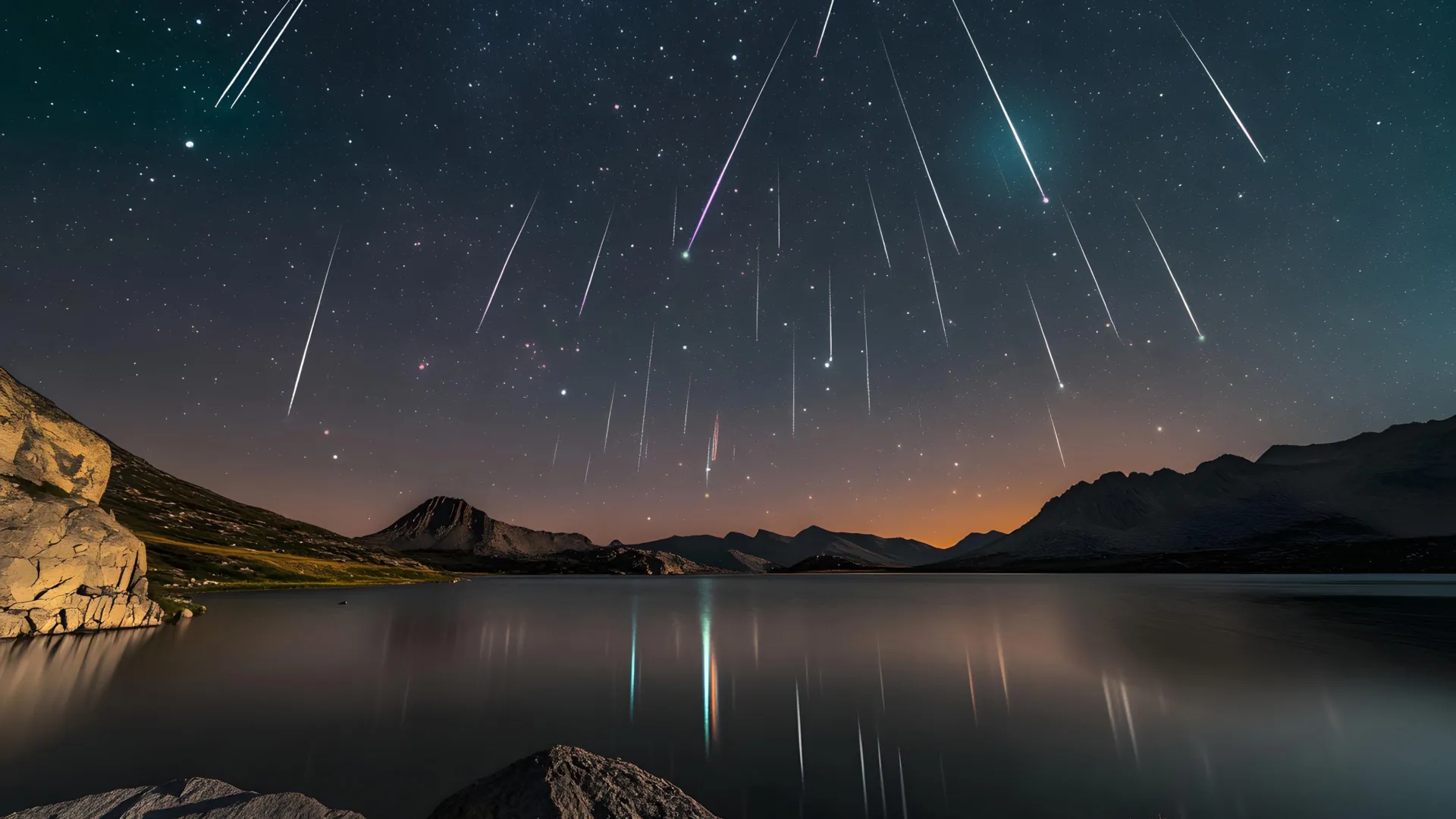
On October 4th, Saturn reaches opposition, offering one of the best viewing opportunities of the year for the ringed planet. This occurs when Earth moves between the Sun and Saturn, making Saturn appear on the opposite side of the sky from the Sun.
Saturn is easily visible to the naked eye, looking like a moderately bright, creamy-white object. Its light remains steady rather than noticeably twinkling, unlike most stars.
The Orionid meteor shower reaches its peak during the night of October 21st and into the morning of October 22nd. These meteors come from small pieces of material left behind by Halley's Comet.
Viewing conditions for the Orionid meteor shower will not be ideal due to a bright waxing gibbous Moon. The best opportunity to see the shower may arrive during the few hours before dawn, after the Moon has set.
Another striking sight arrives on the night of October 27th into the 28th, when the Moon passes close to the Pleiades star cluster, also known as the Seven Sisters. The Pleiades have inspired stories in many ancient cultures.
To find the pairing, look toward the east during the evening as the Moon and the Pleiades rise higher in the sky. The Pleiades appear as a slightly fuzzy grouping of 6 to 7 stars, visible to the unaided eye.
Raquel Villanueva from NASA's Jet Propulsion Laboratory says skywatchers can stay up to date on all of NASA's missions exploring the solar system and beyond at NASA Science.
Key facts
- Saturn reaches opposition on October 4th
- The Orionid meteor shower peaks on October 21st-22nd
- The Moon passes close to the Pleiades star cluster on October 27th-28th
- A bright waxing gibbous Moon may obscure some Orionid meteors
Three perspectives
Neutral
Skywatchers can enjoy several celestial events in October, including Saturn at opposition and the Orionid meteor shower. The best viewing times and conditions vary for each event. NASA provides updates on its missions and skywatching tips.
Positive
The opposition of Saturn and the Orionid meteor shower offer exciting opportunities for skywatchers to observe celestial events. The Pleiades star cluster is also a notable sight, visible to the unaided eye.
Negative
The bright waxing gibbous Moon may hinder viewing of the Orionid meteor shower, making it less ideal for skywatchers. However, the early morning hours may still provide a good opportunity to see the meteors.
Your week in news, every Wednesday
The biggest stories of the week for your edition, in your inbox every Wednesday morning, your time. Free, and you can unsubscribe at any time.