

 Tanzania
Feathered Dinosaur Fossil Found
A nearly complete 57-centimeter skeleton with preserved feathers was discovered in northeastern China, suggesting birds and their close dinosaur relatives developed flight-related features separately. The fossil, named Norellraptor barsboldi, dates back to the Early Cretaceous period, over 100 million years ago.
 Global Newsflix 2 min read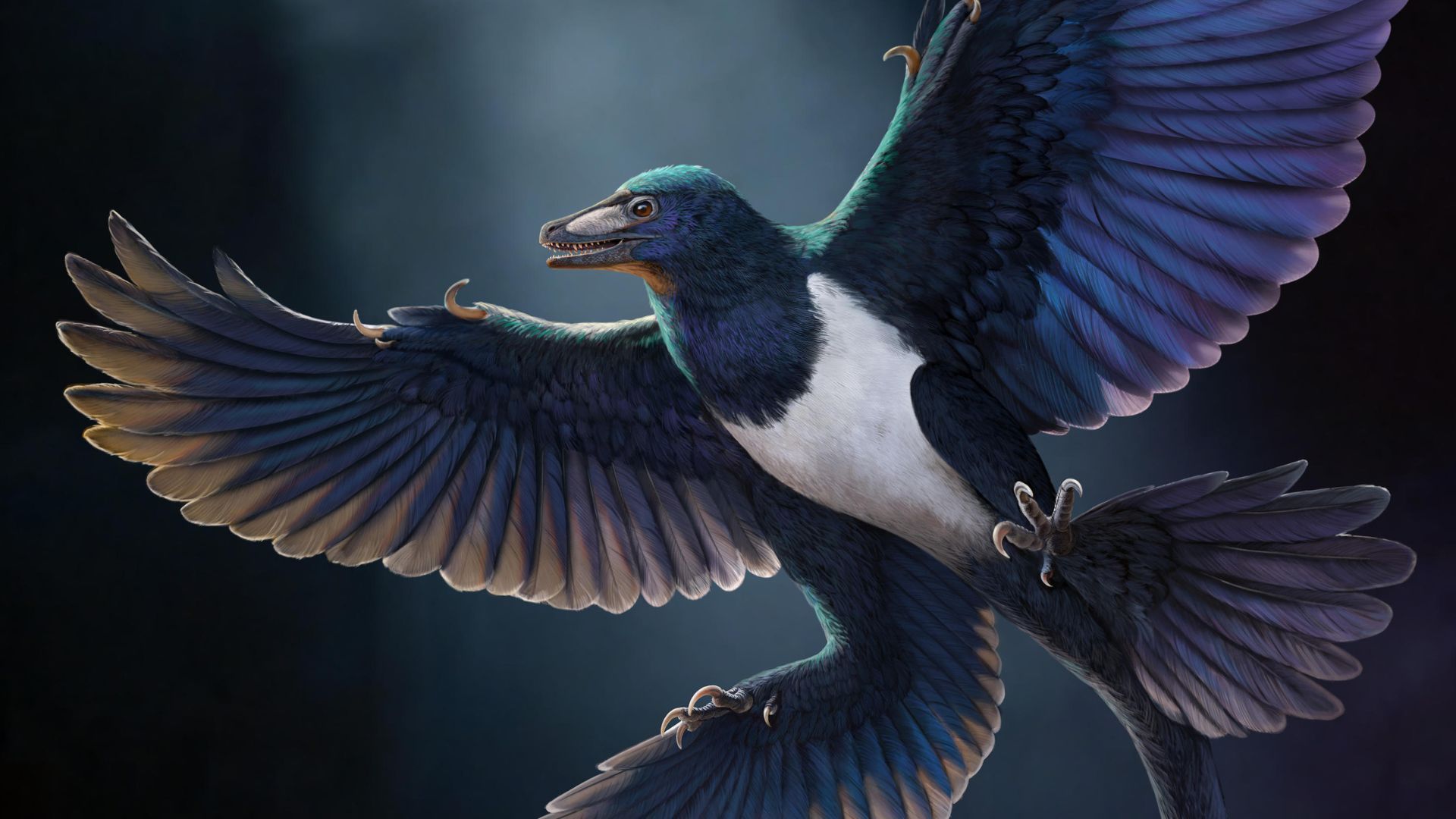
Researchers from the Chinese Academy of Geological Sciences and Hebei Geo University identified the new species, which belongs to the microraptorines, a group of small, feathered predators closely related to birds.
The fossil was discovered by a local farmer in Liaoning province's Jianchang County and donated to Hebei Geo University's museum in 2023.
Comparisons with other fossils found that roughly 30% of the anatomical changes in microraptorine evolution also appeared in the bird lineage, but in a different order.
The researchers found that finger bones shortened before wrist and hand bones fused and the breastbone lengthened in microraptorines, whereas in the bird lineage, these changes occurred in the opposite order.
Growth marks in Norellraptor's forearm bone suggest it was at least 3 years old and still growing when it died.
The discovery challenges the idea that microraptorines and birds inherited the same flight apparatus or followed a shared pattern of development.
Jacqueline Nguyen at the Australian Museum in Sydney says the find provides evidence that the two groups evolved flight separately and for different reasons.
Key facts
- A 57-centimeter feathered dinosaur fossil was discovered in northeastern China.
- The fossil, named Norellraptor barsboldi, dates back to the Early Cretaceous period, over 100 million years ago.
- The discovery suggests birds and their close dinosaur relatives developed flight-related features separately.
- Roughly 30% of the anatomical changes in microraptorine evolution also appeared in the bird lineage, but in a different order.
Three perspectives
Neutral
The discovery of Norellraptor barsboldi provides new insights into the evolution of flight in birds and their close dinosaur relatives. Further research is needed to fully understand the implications of this find. The study's results will likely be of interest to paleontologists and scientists studying the evolution of flight.
Positive
The discovery of Norellraptor barsboldi is a significant breakthrough in the field of paleontology, providing evidence that birds and their close dinosaur relatives developed flight-related features separately. This find highlights the complexity and diversity of the evolution of flight. The study's results will likely contribute to a greater understanding of the history of life on Earth.
Negative
The discovery of Norellraptor barsboldi raises questions about the current understanding of the evolution of flight in birds and their close dinosaur relatives. The finding that roughly 30% of the anatomical changes in microraptorine evolution also appeared in the bird lineage, but in a different order, may challenge existing theories. Further research is needed to resolve these discrepancies.
Your week in news, every Wednesday
The biggest stories of the week for your edition, in your inbox every Wednesday morning, your time. Free, and you can unsubscribe at any time.