

 Iceland
Genetic study links personality traits to health, income and lifestyle
A massive study of up to 1.14 million people identifies 1,260 DNA variants that influence the Big Five personality dimensions and lifelong outcomes.
 Science Desk 2 min read
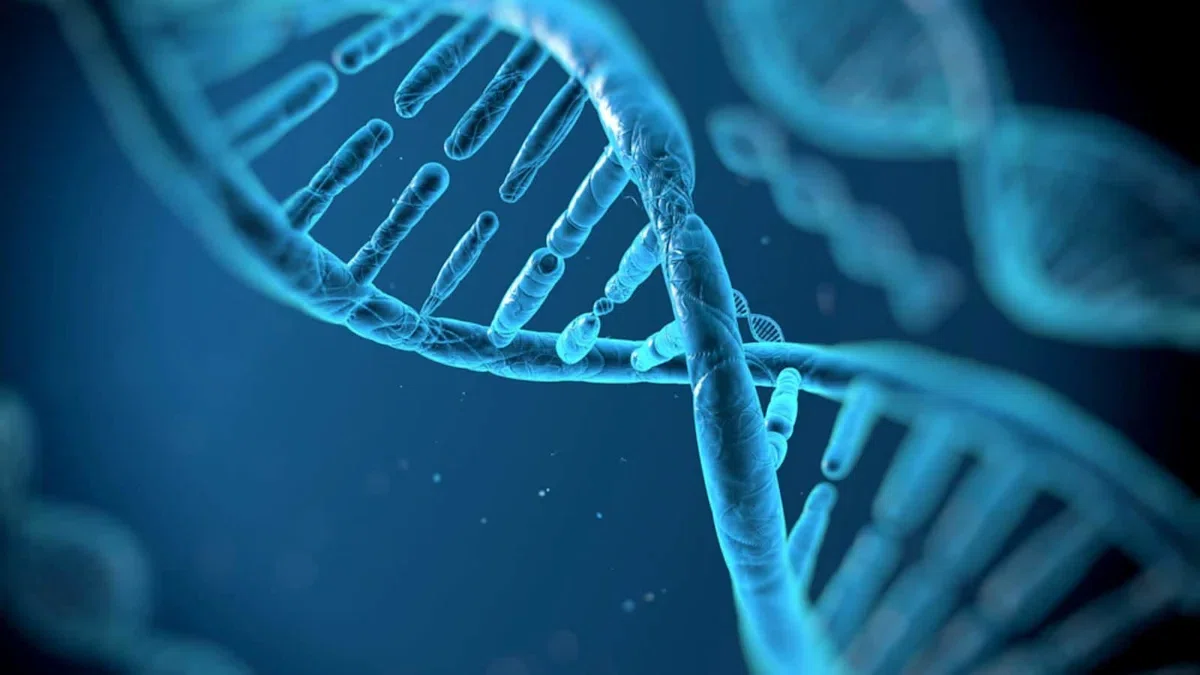
A study published in the journal Nature on September 2, 2026, identified 1,260 DNA variants that link the Big Five personality traits to lifelong health risks, income, and neighborhood choices. The project, from the Revived Genomics of Personality Consortium, pooled data from 46 research groups worldwide and included up to 1.14 million people.
Lead researchers Ted Schwaba of Michigan State University, Michel G. Nivard of the University of Bristol, and Elliot M. Tucker-Drob of the University of Texas at Austin tracked how genetic differences relate to brain chemistry, paychecks, and health. Of the 1,260 identified genetic spots, 824 had never been linked to personality traits before.
The five core traits studied are extraversion, agreeableness, conscientiousness, neuroticism, and openness to experience. Neuroticism had the most genetic spots identified at 706, while agreeableness had 39. In the brain, these variants clustered in the prefrontal cortex, which is the command center for planning and self-control.
Genetic variants tied to conscientiousness were linked to lower body mass index, reduced smoking and substance use, regular exercise, and choosing lower-calorie foods. Variants linked to openness to experience predicted higher earnings, a higher likelihood of moving into cosmopolitan city neighborhoods, and a stronger tendency to switch jobs.
Researchers examined spouse pairs in the UK Biobank and Iceland's deCODE database to see if couples choose partners with similar personality genes. While partners shared 37% genetic similarity for educational attainment, they shared only 1% to 4% for personality traits. In Iceland, scientists examined more than 34,000 parent-child pairs and found that direct genetic transmission accounted for 96.2% of the predicted personality effect.
Scientists warn that DNA tests cannot predict how any single person will think, work, or behave. Polygenic scores currently predict less than 4% of personality differences between individuals.
Key facts
- The study identified 1,260 DNA variants tied to the Big Five personality dimensions.
- Direct genetic transmission from parent to child accounted for 96.2% of the predicted personality effect in an Icelandic study.
Three perspectives
Neutral
The study found that thousands of genetic variants each contribute tiny effects that add up across a person's lifespan.
Positive
Agreeableness genes acted like a protective shield against mental health struggles.
Negative
People carrying DNA variants tied to higher neuroticism faced elevated genetic risks for mental health conditions, especially anxiety and depression-like low mood.
Your week in news, every Wednesday
The biggest stories of the week for your edition, in your inbox every Wednesday morning, your time. Free, and you can unsubscribe at any time.