Science
Scientists propose cause for billion-year gap in Earth's geologic record
Computer simulations suggest mantle movements uplifted ancient continents, allowing ice sheets to erode away missing rock layers.
 Science
Computer simulations suggest mantle movements uplifted ancient continents, allowing ice sheets to erode away missing rock layers.
A study published in Science Translational Medicine shows that timed bursts of noise can strengthen cerebrospinal fluid flow in healthy adults.
 South Africa
The newly identified Nyana rooiwalensis was a large juvenile sauropodomorph that lived during the Late Triassic epoch.
 Chad
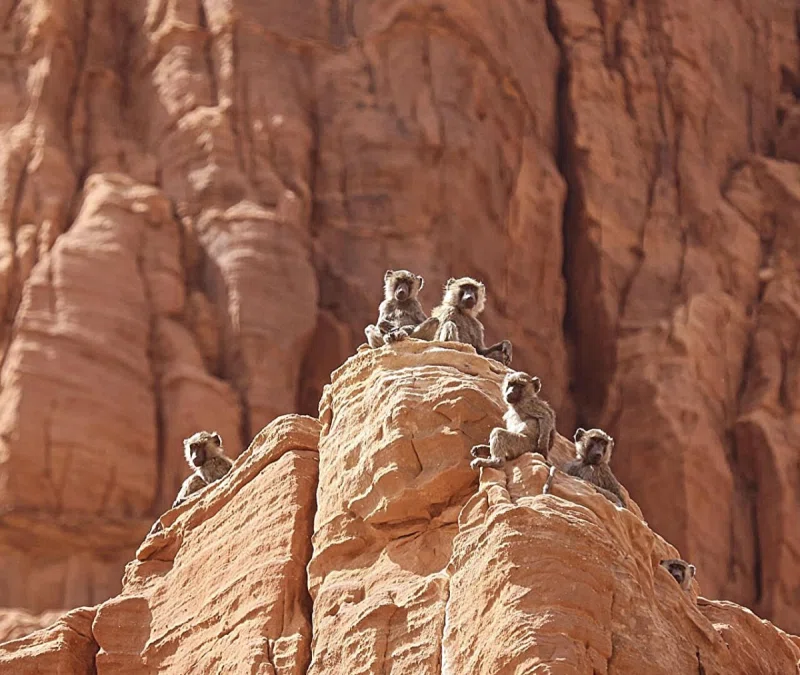
Researchers say skull punctures and shoulder marks on adult male baboons in Chad's Ennedi plateau point to Verreaux's eagle attacks.
 Norway
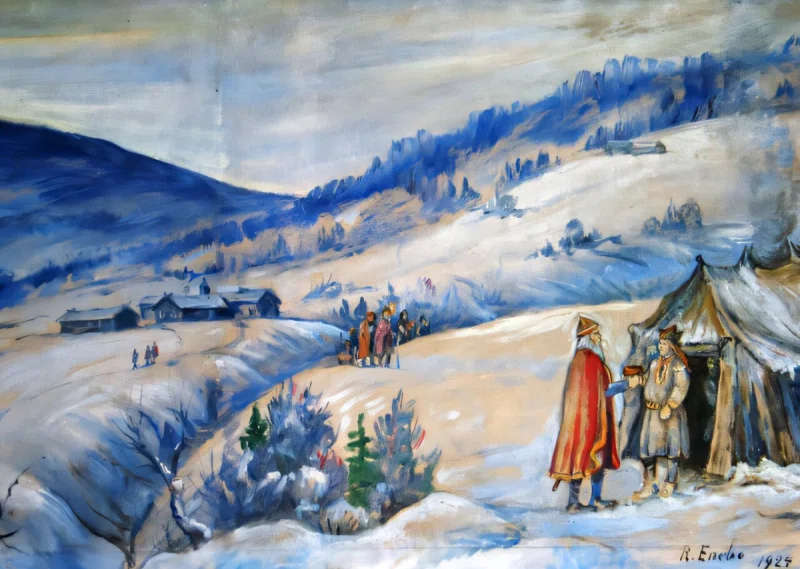
Researchers at NTNU found evidence in written sources from the 12th to 14th centuries, challenging the hypothesis of late immigration.
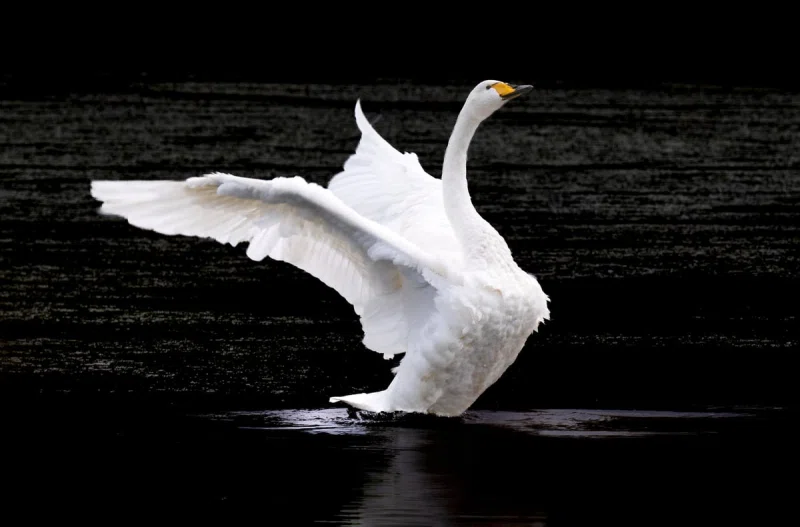
A rare whooper swan was seen resting at Walcot Lake after flying over 2,000km for the winter.
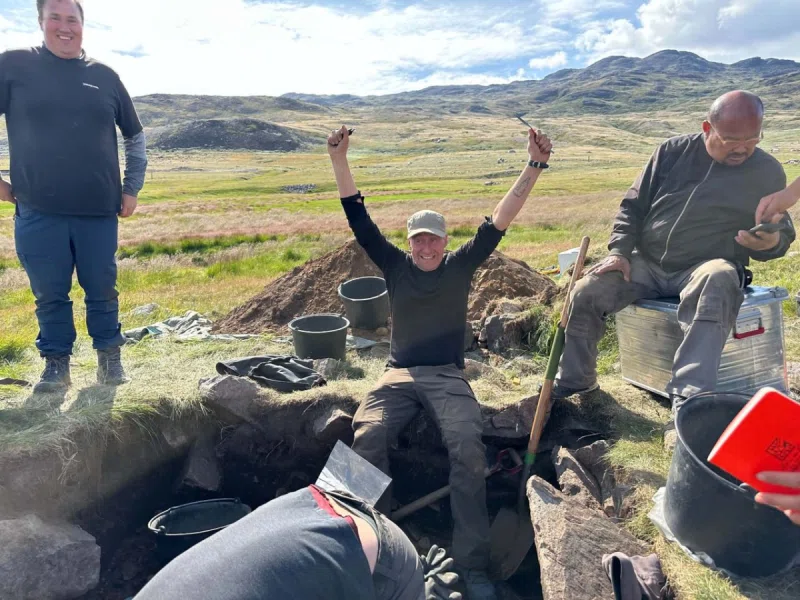
The discovery of a human skeleton confirms the site is a church and may offer clues to the 15th-century disappearance of the Viking settlers.
The Royal Canadian Geographical Society will display 3-D replicas of the Quest and Terra Nova created from tens of thousands of high-resolution images.
A massive study of up to 1.14 million people identifies 1,260 DNA variants that influence the Big Five personality dimensions and lifelong outcomes.
The Krafla Magma Testbed project aims to transform renewable energy by tapping into a volcano's magma chamber. This project seeks to harness geothermal power.
Journalist Tony Bartelme has traveled to the Faroe Islands to explore the mysteries of vital ocean currents. His reporting has taken him to Greenland in the past, where he examined the impact of melting ice sheets. In the Faroe Islands, Bartelme aims to uncover the secrets behind ocean currents, which play a crucial role in regulating the Earth's climate. His investigation is expected to provide valuable insights into the workings of these currents.