

 Iceland
Medieval texts show South Sámi presence in Central Norway
Researchers at NTNU found evidence in written sources from the 12th to 14th centuries, challenging the hypothesis of late immigration.
 Science Desk 2 min read
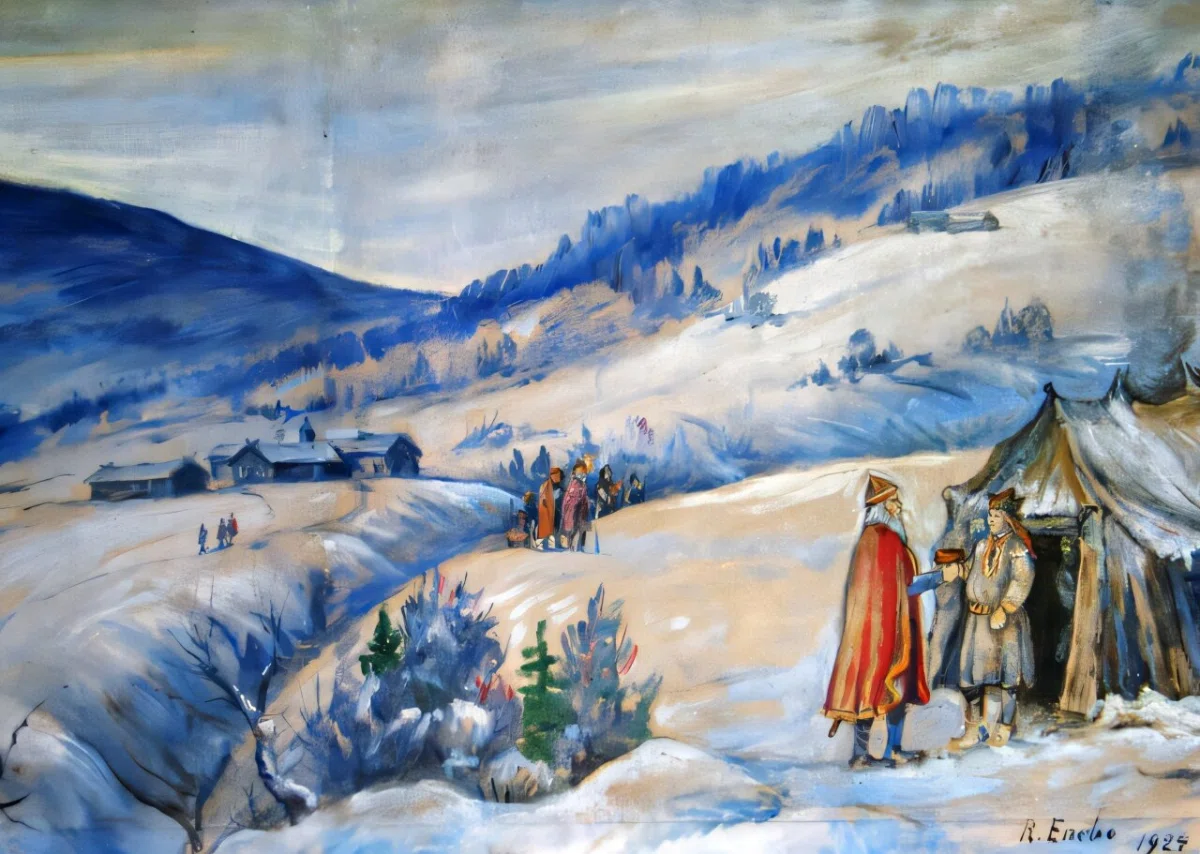
Researchers at the Norwegian University of Science and Technology (NTNU) have found clear traces of a South Sámi presence in Central Norway dating back to the Middle Ages. This discovery contradicts the hypothesis of late immigration, which suggested the South Sámi arrived in Central Norway in the 18th century at the earliest and that Norwegian farmers were present long before them.
The researchers examined written texts from Norway, Iceland, and the Orkney Islands written between the 12th and 14th centuries. They found names, concrete evidence, and references to the Sámi within mythological origin stories. Peter Sigurdson Lunga and Emil Mård Vaadal Eliasson, members of the NTNU research group Middelalderdidaktikk, confirmed these findings.
Lunga said the South Sámi were a living presence in the consciousness of the literate population during the Middle Ages. He noted that the Sámi appear in Icelandic genealogical chronicles because they were part of those family lineages. In the 13th century and later, it was believed that many Norwegian and Icelandic noble families had Southern Sámi among their ancestors.
The research shows that Norse chieftain families could use Sámi ancestry to bolster the high status of their lineage, whether that ancestry was genuine or constructed. Eliasson said there are clear traces of intermarriage, and several powerful families have distinct Sámi elements in their genealogies, including royal genealogies such as that of Harald Fairhair.
The Sámi also held a significant place in mythology. Because the Jotuns were considered the ancestors of the gods and possessed knowledge of natural and supernatural forces, the Sámi occupied a significant place in these ancestral lineages. Old texts sometimes refer to the same person as both a Jotun and a Finn.
The researchers noted that the period from 1250 to 1650 has been a gap in research, as no systematic study has been conducted regarding the South Sámi during this time. Previously, the presence of the South Sámi in medieval texts was dismissed as a merely fantastical or fairy-tale element.
Key facts
- Written sources from the 12th to 14th centuries in Norway, Iceland, and the Orkney Islands document a South Sámi presence.
- South Sámi ancestry appears in the genealogies of Norwegian and Icelandic noble families and royal lineages.
- The findings challenge the hypothesis that the South Sámi only arrived in Central Norway in the 18th century.
Three perspectives
Neutral
Researchers at NTNU have identified traces of South Sámi presence in medieval written sources from Norway, Iceland, and the Orkney Islands.
Positive
The discovery provides evidence that the South Sámi played an important role and were a living presence during the Middle Ages.
Negative
A research gap exists for the period between 1250 and 1650, during which no systematic study of the South Sámi has been conducted.
Your week in news, every Wednesday
The biggest stories of the week for your edition, in your inbox every Wednesday morning, your time. Free, and you can unsubscribe at any time.