

 Iceland
Digital twins of Shackleton and Scott shipwrecks to be unveiled in Ottawa
The Royal Canadian Geographical Society will display 3-D replicas of the Quest and Terra Nova created from tens of thousands of high-resolution images.
 Science Desk 2 min read
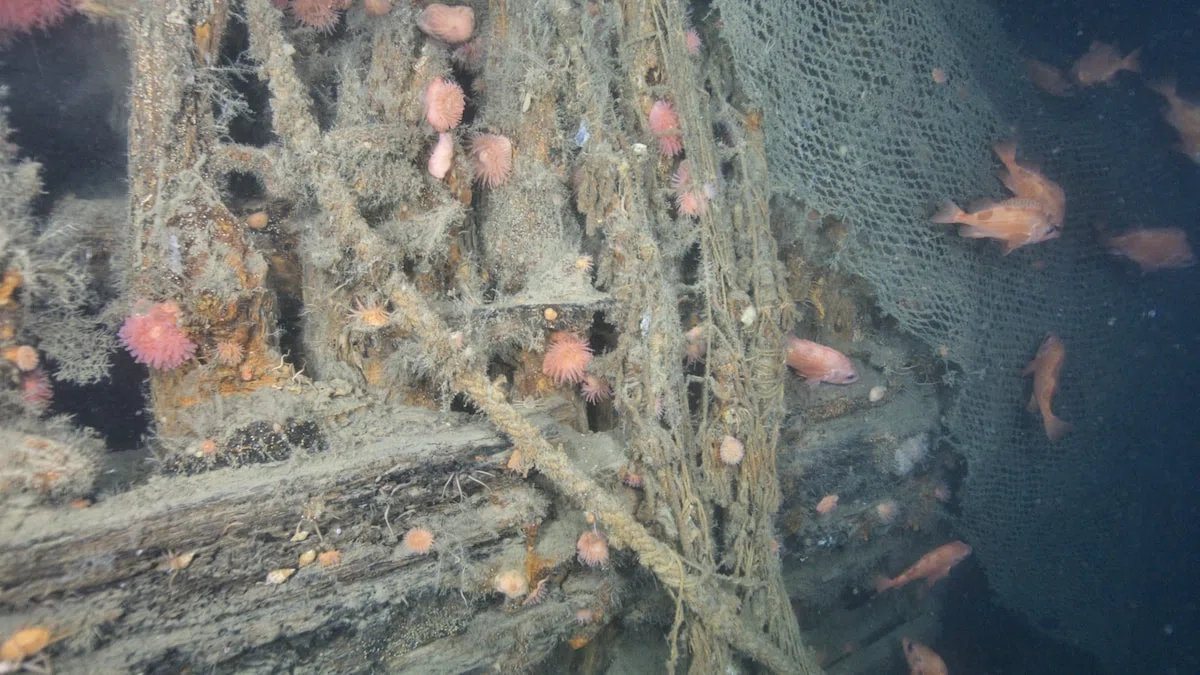
The Royal Canadian Geographical Society will unveil 3-D digital replicas of the last ships of explorers Sir Ernest Shackleton and Captain Robert Falcon Scott on Wednesday at its Ottawa headquarters. These digital twins were created by knitting together tens of thousands of images captured on the ocean floor during an expedition this summer. The replicas will later be made available to schools across the country.
The expedition used photogrammetric technology from Voyis Imaging to capture detailed portraits of both vessels. The images have been combined into a complete lucid picture of the ships. John Geiger, the Royal Canadian Geographical Society expedition leader, said the imagery is striking and will be used to study the ships and the sea creatures that inhabit them.
The Quest, the last ship of Sir Ernest Shackleton, was discovered in 2024 at a depth of 390 metres off the coast of Newfoundland and Labrador. During this summer's expedition in the Labrador Sea, a three-man team including John Geiger used a remotely operated vehicle to capture the first clear images of the vessel. The Quest suffered considerable damage when it sank, with its masts down and its nameplate lost.
The expedition also surveyed the Terra Nova, the last vessel of Captain Robert Falcon Scott, in waters 179 metres deep off the coast of Greenland. The Terra Nova was damaged and deliberately sunk in 1943 during the Second World War. While the hull had split in two, the wreck remains visible with its original rudder, propeller, two masts, wheel, and ceramic mugs.
John Geiger said the digital twins are necessary because the wrecks are deteriorating and will eventually be subsumed into the seabed. The 3-D images allow viewers to feel as if they are swimming over the wrecks.
Key facts
- Digital twins of the Quest and Terra Nova were created using tens of thousands of high-resolution images.
- The Quest was discovered in 2024 at a depth of 390 metres off Newfoundland and Labrador.
- The Terra Nova was found at a depth of 179 metres off the coast of Greenland.
Three perspectives
Neutral
The Royal Canadian Geographical Society is unveiling 3-D digital replicas of the shipwrecks of Sir Ernest Shackleton and Captain Robert Falcon Scott.
Positive
The digital twins will preserve the likeness of the ships for posterity and will be made available to schools.
Negative
The physical wrecks are deteriorating and will eventually disappear into the seabed.
Your week in news, every Wednesday
The biggest stories of the week for your edition, in your inbox every Wednesday morning, your time. Free, and you can unsubscribe at any time.