 United Kingdom
Chancellor decides against capital gains tax increase
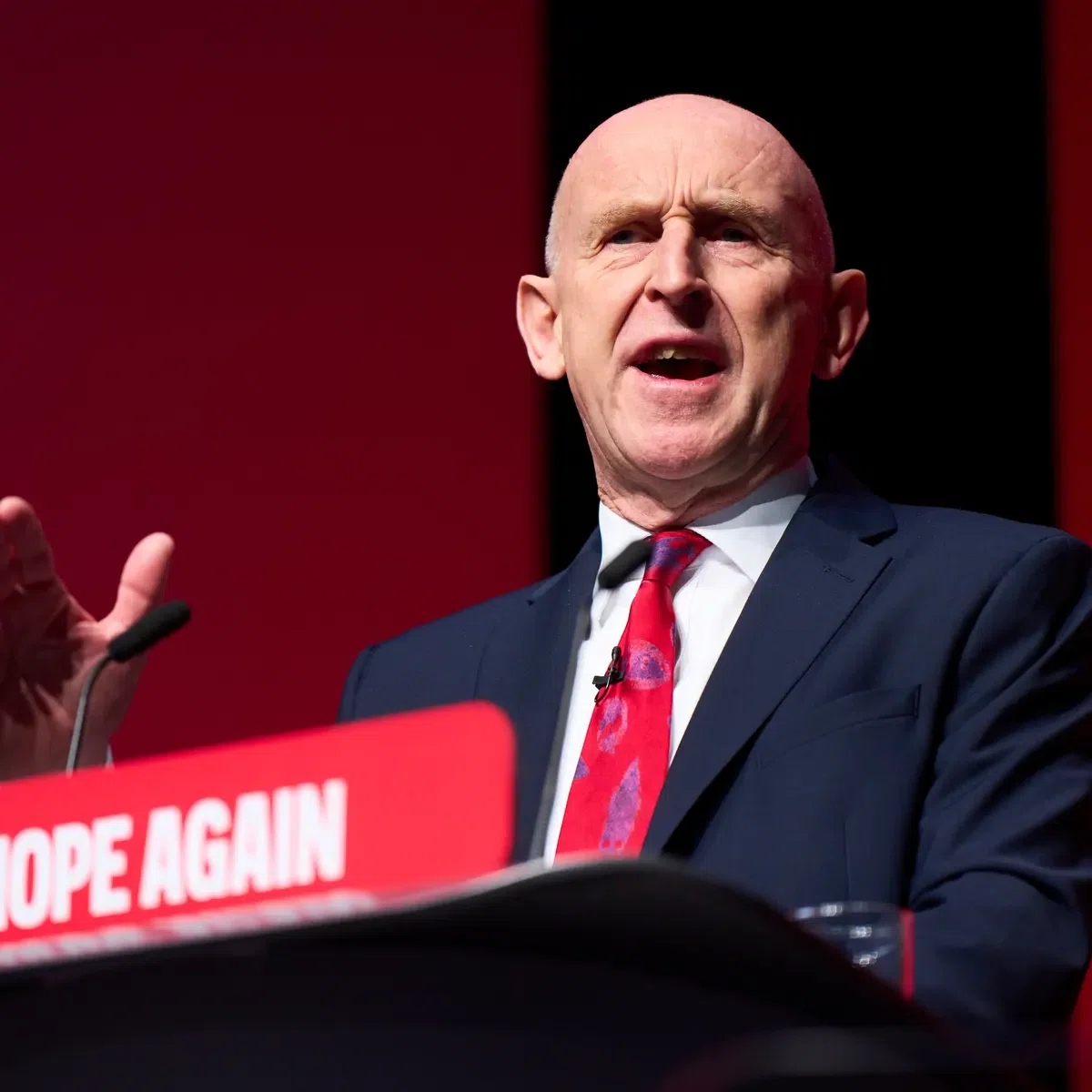
John Healey will instead look to tax bank profits in his budget to avoid wealthy individuals deferring asset sales or moving abroad.
 Politics Desk 1 min read
Capital gains tax is imposed on profits made when individuals sell assets that have increased in value, such as shares or second homes.
Instead, Healey is poised to tax Britain's banks in his budget on 28 October, following strong earnings from rising interest rates.
The four largest lenders, including HSBC, NatWest, Barclays and Lloyds Banking Group, have generated £200bn in pre-tax profits over the past five years.
Healey said last month that he wants to prioritise wealth creation without it being constantly subject to penalties.
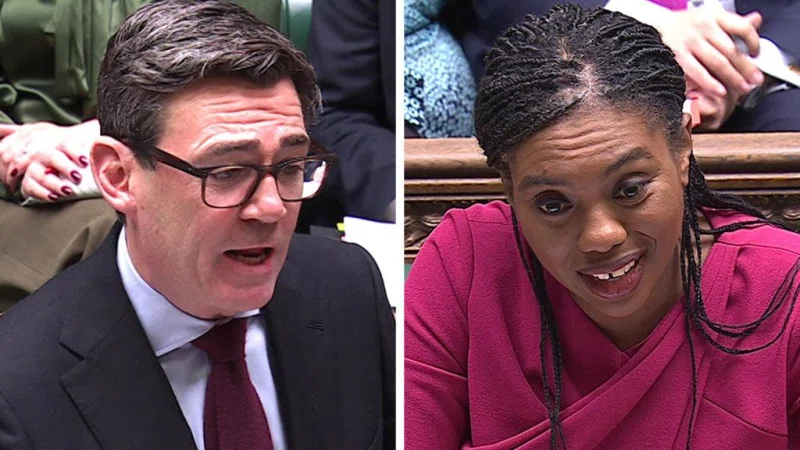
Conservative leader Kemi Badenoch said the government should cut spending plans, including the civil service and welfare, instead of raising taxes.
Key facts
- The chancellor decided against increasing capital gains tax to prevent wealthy individuals from deferring asset sales or moving abroad.
- Healey plans to tax banks in his budget on 28 October.
- The UK's four largest lenders generated £200bn in pre-tax profits over the last five years.
Three perspectives
Neutral
The chancellor has decided not to increase capital gains tax and will instead look to tax bank profits in his upcoming budget.
Positive
Healey aims to prioritise wealth creation and use government policies to raise levels of confidence and investment in British business.
Negative
Kemi Badenoch said Labour is taking out loans to pay the interest on loans and argued the government should bring spending down.
Your week in news, every Wednesday
The biggest stories of the week for your edition, in your inbox every Wednesday morning, your time. Free, and you can unsubscribe at any time.