Marginalised groups more likely to receive urgent breast cancer diagnoses
People from Black, Asian and mixed backgrounds are 33% less likely to be diagnosed via routine screening, research finds.
 Health Desk 2 min read
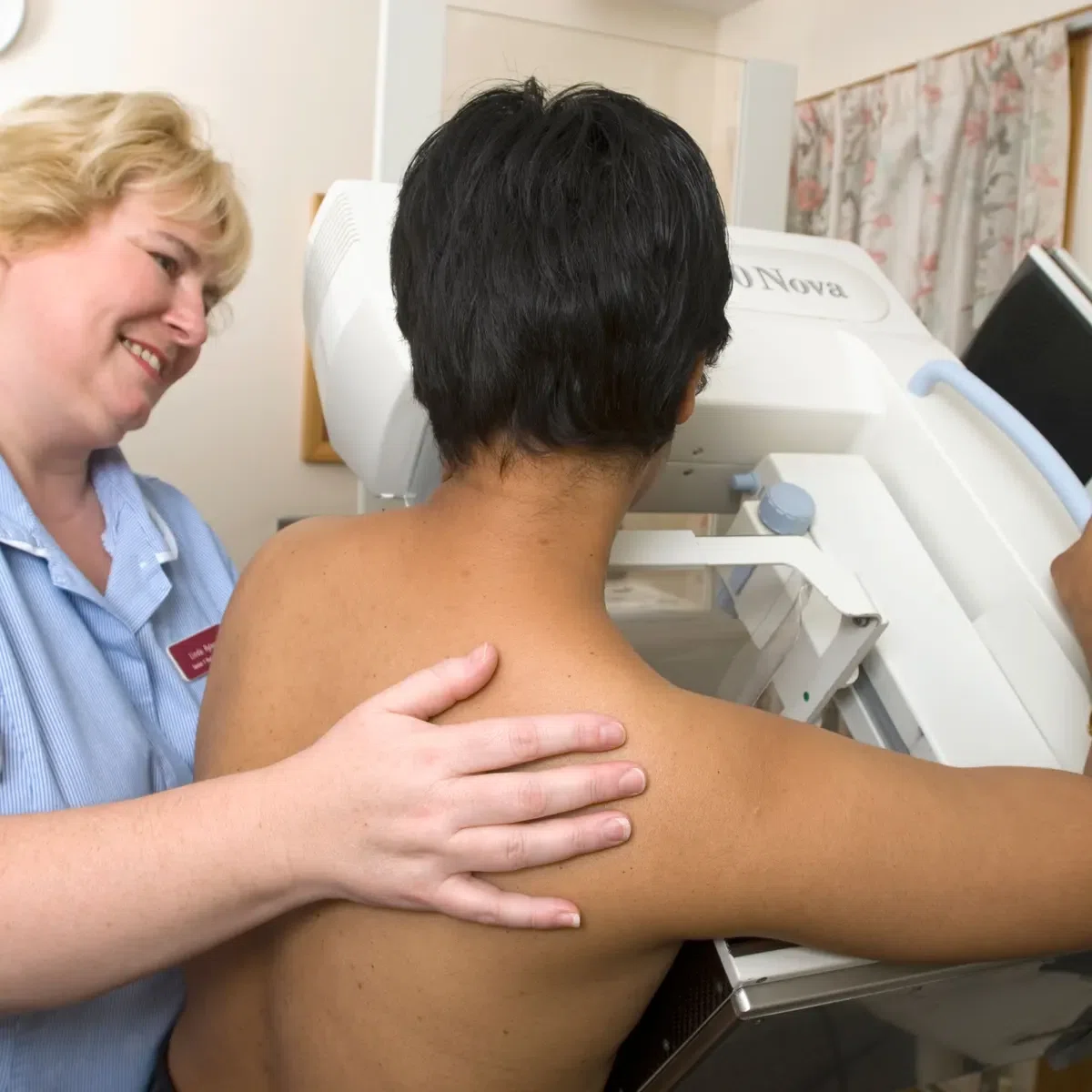
People from Black, Asian and mixed backgrounds are up to 33% less likely to be diagnosed with breast cancer via routine screening. These groups, along with people from deprived backgrounds, are up to 31% more likely to be diagnosed via urgent suspected cancer referral and up to 37% more likely to be diagnosed via emergency presentation.
The research was carried out by academics at the University of Surrey and funded by the charity Breast Cancer Now. It involved analysis of 86,564 adults diagnosed with the disease between 2009 and 2019 using the Clinical Practice Research Datalink and the Cancer Registration Tumour and Treatment datasets.
Dr Rob Kerrison, an associate professor of cancer care and lead investigator of the study, said inequalities in access to screening and timely treatment may explain why some groups of women in the UK have poorer breast cancer survival. He said women from disadvantaged and under-served groups were less likely to have cancer detected through screening and often waited longer to start treatment.
Manveet Basra, the associate director of public health, inclusion and awareness at Breast Cancer Now, said people from marginalised groups face inequalities at every stage of their breast cancer experience, which impacts survival rates. Basra said knowing the barriers people face enables the charity to work towards eliminating them.
The research also found that people living with a learning disability faced poorer outcomes, with a diagnosis time 18% longer than people without a learning disability and a 10% longer wait time for treatment. Additionally, research from the UK Health Security Agency suggested young Black women are more likely to have aggressive breast cancer tumours, experience poorer care and have higher mortality rates.
Key facts
- People from Black, Asian and mixed backgrounds are 33% less likely to be diagnosed with breast cancer via routine screening.
- People from deprived backgrounds and ethnic minorities are up to 37% more likely to be diagnosed via emergency presentation.
- People with a learning disability face a 10% longer wait time for cancer treatment.
Three perspectives
Neutral
Research involving 86,564 adults shows that people from marginalised and deprived backgrounds are more likely to be diagnosed with breast cancer through urgent or emergency settings rather than routine screening.
Positive
Breast Cancer Now is funding research to identify inequities and is working with policymakers to improve equal access to screening.
Negative
Marginalised groups face inequalities at every stage of the breast cancer experience, which impacts survival rates.
Your week in news, every Wednesday
The biggest stories of the week for your edition, in your inbox every Wednesday morning, your time. Free, and you can unsubscribe at any time.