

Study identifies racial differences in pancreatic cancer tumor cells
Research from the University of Cincinnati shows Black patients' tumors have different immune cell patterns and characteristics that could lead to personalized treatments.
 Health Desk 2 min read
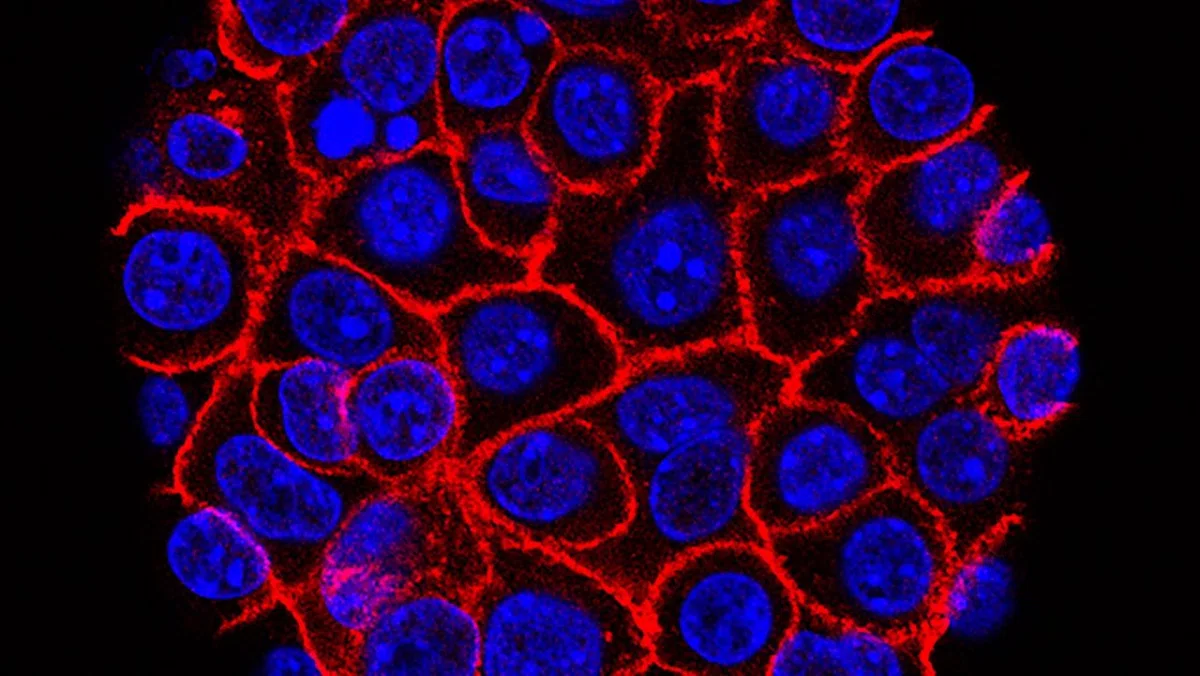
Researchers at the University of Cincinnati have identified differences in pancreatic tumors that may explain why the disease affects certain patients differently. The study, published in the journal Cancer Research, analyzed 22 pancreatic tumors from patients of various racial backgrounds across the United States. The group studied included seven Black patients and 15 non-African American patients.
Tumors from Black patients contained larger clusters of immune cells and a higher number of B cells. Researchers found evidence that some of these B cells might suppress the body's immune response, which could potentially help cancer cells hide from the immune system.
The study also found that Black patients had fewer of the most common pancreatic cancer cells, with more tumors showing a mix of different cell characteristics.
Nina Steele, an assistant professor in the University of Cincinnati College of Medicine and the lead author, said the findings highlight the necessity of including diverse patient populations in clinical trials to ensure treatments work for everyone.
Wadlow, who was not involved in the study, noted that tumors can share DNA mutations but differ in how cells interact with surrounding tissue and immune cells.
The research team intends to study pancreatic tissue from individuals without cancer to better understand when these cellular differences emerge. Larger studies involving diverse backgrounds are needed to confirm if these findings impact survival or treatment outcomes.
Key facts
- Black patients' pancreatic tumors showed higher levels of B cells and larger immune cell clusters.
- Pancreatic cancer is about 20% more likely to occur in Black Americans than in non-African Americans.
- The University of Cincinnati study examined 22 tumors from a diverse group of patients across the U.S.
Three perspectives
Neutral
Researchers found molecular and immune cell differences between pancreatic tumors in Black and non-Black patients.
Positive
The findings offer a path toward developing more individualized treatments for pancreatic cancer.
Negative
Some B cells in Black patients' tumors may suppress the immune response, potentially helping the cancer hide.
Your week in news, every Wednesday
The biggest stories of the week for your edition, in your inbox every Wednesday morning, your time. Free, and you can unsubscribe at any time.