

Energy drinks and stimulant supplements linked to higher rates of heart problems in FDA reports
A preliminary American Heart Association analysis of FDA adverse-event reports found stimulant products were tied to higher rates of cardiac arrest and heart attack reports.
 Health Desk 2 min read
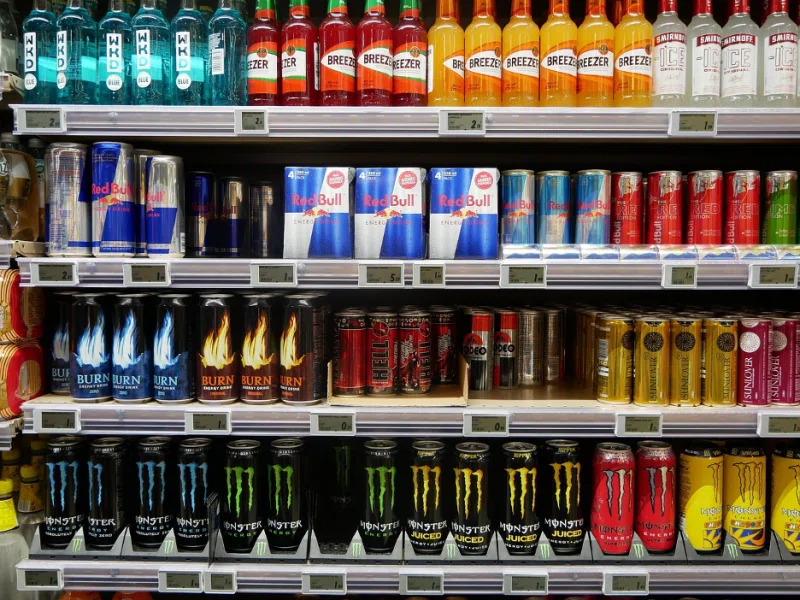
An American Heart Association analysis of adverse-event reports has found that energy drinks and stimulant supplements are linked to higher rates of cardiovascular problems.
The association analysed 28,345 reports submitted to the U.S. Food and Drug Administration from 2017 to 2025, and the findings are to be presented at the AHA's 2026 Scientific Sessions in Chicago from Nov. 6 to 9 local time.
About 45% of cardiovascular adverse-event reports involved people aged 18 to 34.
Experts said several stimulants, including guarana, yerba mate, synephrine and yohimbine as well as caffeine, may have acted in combination, and some pre-workout supplements contain up to 12 times as much caffeine as regular coffee.
The researchers advised immediate medical attention for palpitations, chest pain, dizziness, fainting or an irregular heartbeat after using these products, and said people with heart disease should consult a doctor first.
The findings do not show that the products directly cause cardiac arrest or heart attacks, and the data cannot show how many people used the products without problems.
Key facts
- The analysis covered 28,345 adverse-event reports submitted to the FDA from 2017 to 2025.
- Stimulant-containing products had about 11 times the rate of cardiac arrest reports as regular products.
- About 45% of cardiovascular adverse-event reports involved people aged 18 to 34.
Three perspectives
Neutral
An American Heart Association analysis links energy drinks and stimulant supplements to higher rates of cardiovascular adverse-event reports.
Positive
The researchers recommended seeking immediate medical attention for palpitations, chest pain, dizziness, fainting or an irregular heartbeat after consuming such products.
Negative
Some pre-workout supplements contain up to 12 times as much caffeine as regular coffee, so a small amount could exceed the recommended 400 mg daily limit for adults.
Your week in news, every Wednesday
The biggest stories of the week for your edition, in your inbox every Wednesday morning, your time. Free, and you can unsubscribe at any time.