IMF advises UK to cut spending instead of taxing banks
The International Monetary Fund suggests reforming pensions and social benefits to balance the budget rather than increasing taxes on the banking sector.
 Business Desk 2 min read
The International Monetary Fund has urged Chancellor John Healey to target pension savings and welfare spending instead of increasing taxes on British banks in the upcoming budget. Helge Berger, deputy director of the IMF's European department, said that because UK taxes are roughly 40% of GDP, balancing the budget through expenditure cuts makes sense. He suggested reforming property taxes, VAT, or the pensions triple lock as alternatives to bank taxes.
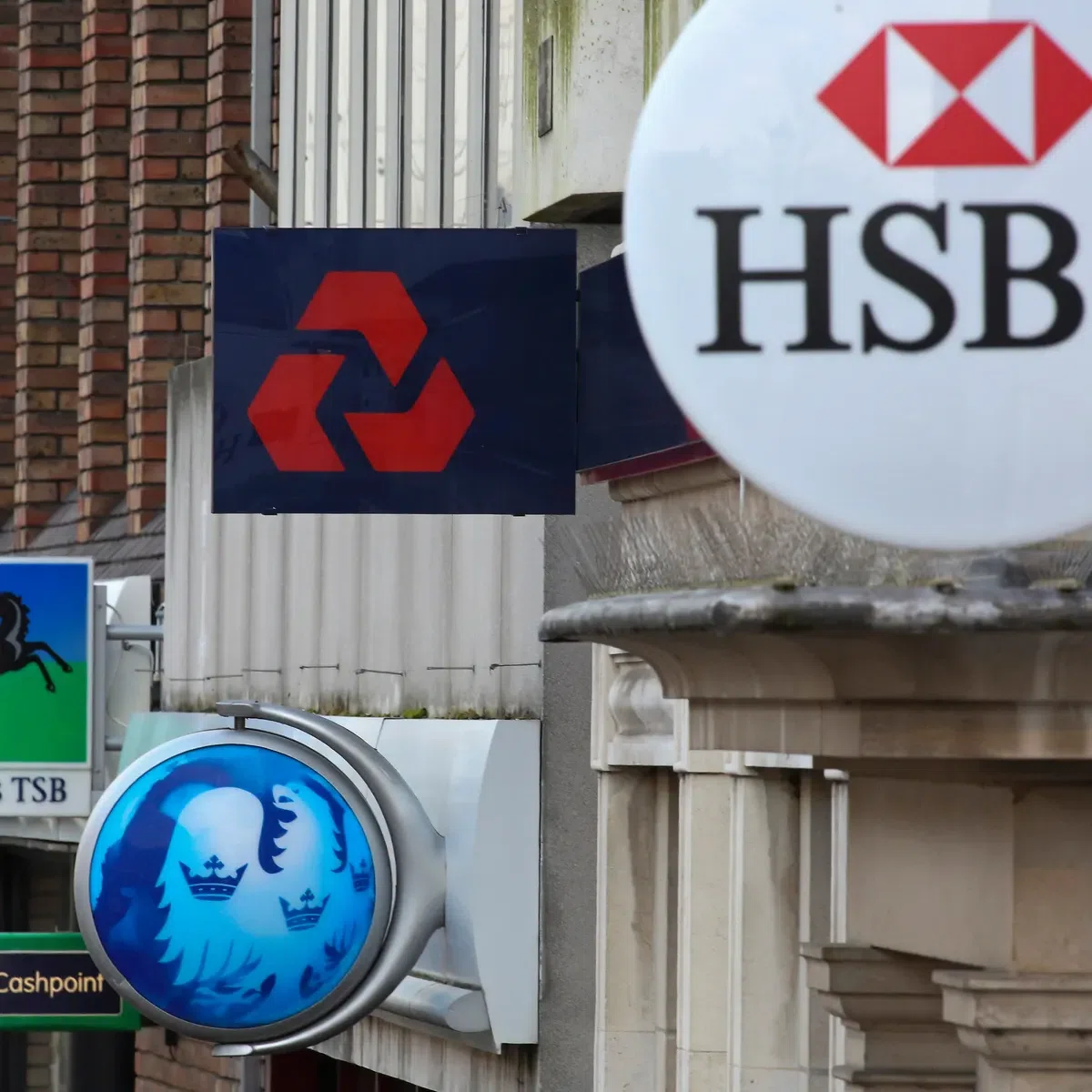
Banking industry lobbyists warned that higher taxes could force banks to reduce lending and move operations abroad. UK Finance chief executive David Postings said reversing a 2023 surcharge cut from 8% to 3% could leave annual UK GDP £1.2bn lower by 2029-30. Meanwhile, the four largest UK lenders—HSBC, NatWest, Barclays, and Lloyds—reported £29.2bn in profits during the first half of the year.
Key facts
- The IMF suggests focusing on pension and welfare reforms rather than bank taxes.
- UK Finance warns that reversing the bank surcharge cut could reduce GDP by £1.2bn by 2029-30.
Three perspectives
Neutral
Chancellor John Healey is considering various ways to increase revenue from the banking sector in the budget on October 28.
Positive
The IMF suggested that modernising property tax or broadening the VAT base could create additional fiscal headroom.
Negative
UK Finance warned that increasing bank taxes would weaken competitiveness and discourage investment and job creation.
Your week in news, every Wednesday
The biggest stories of the week for your edition, in your inbox every Wednesday morning, your time. Free, and you can unsubscribe at any time.