

 Singapore
NASA Releases Artemis II Data
NASA has made nearly 1 TB of data from the Artemis II mission available to the public, including photographs, audio, and handwritten notes from the astronauts. The data will be used to study the moon and prepare for future human missions.
 Space Desk 2 min read
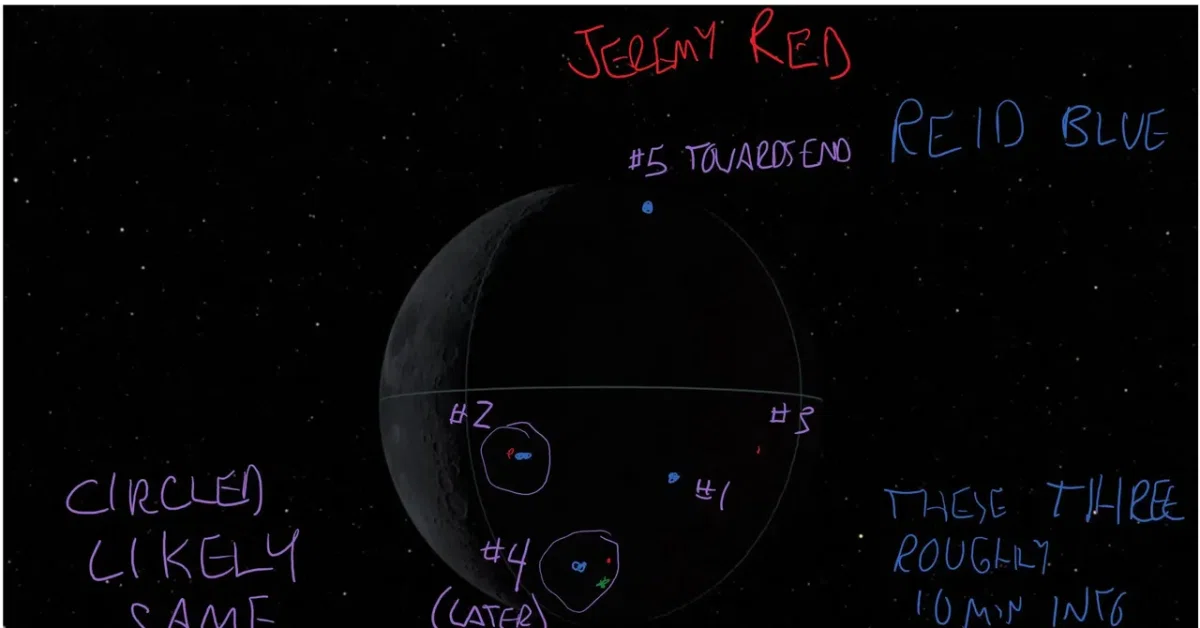
NASA has released approximately 800 gigabytes of scientific data generated by the Artemis II mission, which includes 11,000 full-resolution images and videos, 8.5 hours of spoken observations, and notes taken by the astronauts.
The data drop is the first set of planetary science data obtained outside Earth and directly by humans in more than half a century, with the closest comparable precedent dating back to the Apollo era.
The space agency has also released three reports summarizing what was learned during the mission, including the Artemis II Preliminary Lunar Science Report, the Artemis II Lunar Science Operations Report, and the Artemis II Lunar Science Data User Guide.
The data is primarily intended for the scientific community, but is accessible to anyone, and may be particularly useful for planetary geologists, flight engineers, and specialists in meteoroid impacts.
Initial analyses of the data have already yielded several concrete results, including the detection of new moon impacts annotated by astronauts on the Artemis II mission.
Astronauts Reid Wiseman, Victor Glover, Christina Koch, and Jeremy Hansen took turns writing their notes on a shared tablet PC during the mission, which included observations of the moon's eclipse of the sun on April 6, 2026.
The crew collectively spotted at least five faint flashes of light caused by impacts, which will help NASA better understand the dynamics of space rocks hitting the moon and plan for the safest environments possible for future astronauts.
Key facts
- NASA has released nearly 1 TB of data from the Artemis II mission
- The data includes 11,000 full-resolution images and videos, and 8.5 hours of spoken observations
- The data is primarily intended for the scientific community, but is accessible to anyone
- Initial analyses have already yielded several concrete results, including the detection of new moon impacts
Three perspectives
Neutral
The release of the Artemis II data is a significant step forward for lunar science, and will provide valuable insights for researchers and scientists. The data will be used to prepare for future human missions to the moon. NASA's next mission, Artemis III, is scheduled to launch no earlier than June 2027.
Positive
The Artemis II mission has provided a wealth of new information about the moon, and the release of the data is a major achievement for NASA. The data will help scientists to better understand the moon's surface and composition, and will pave the way for future human missions.
Negative
The release of the Artemis II data has highlighted the challenges and risks associated with space travel, particularly the impact of space rocks on the moon's surface. The data will need to be carefully analyzed to ensure that future missions are safe and successful.
Your week in news, every Wednesday
The biggest stories of the week for your edition, in your inbox every Wednesday morning, your time. Free, and you can unsubscribe at any time.