

Researchers call for fortification of vegan products to prevent iodine deficiency
Swapping dairy for plant-based alternatives could lead to declines in iodine, calcium, riboflavin and vitamin B12, according to a study in Lancet Planetary Health.
 Health Desk 2 min read
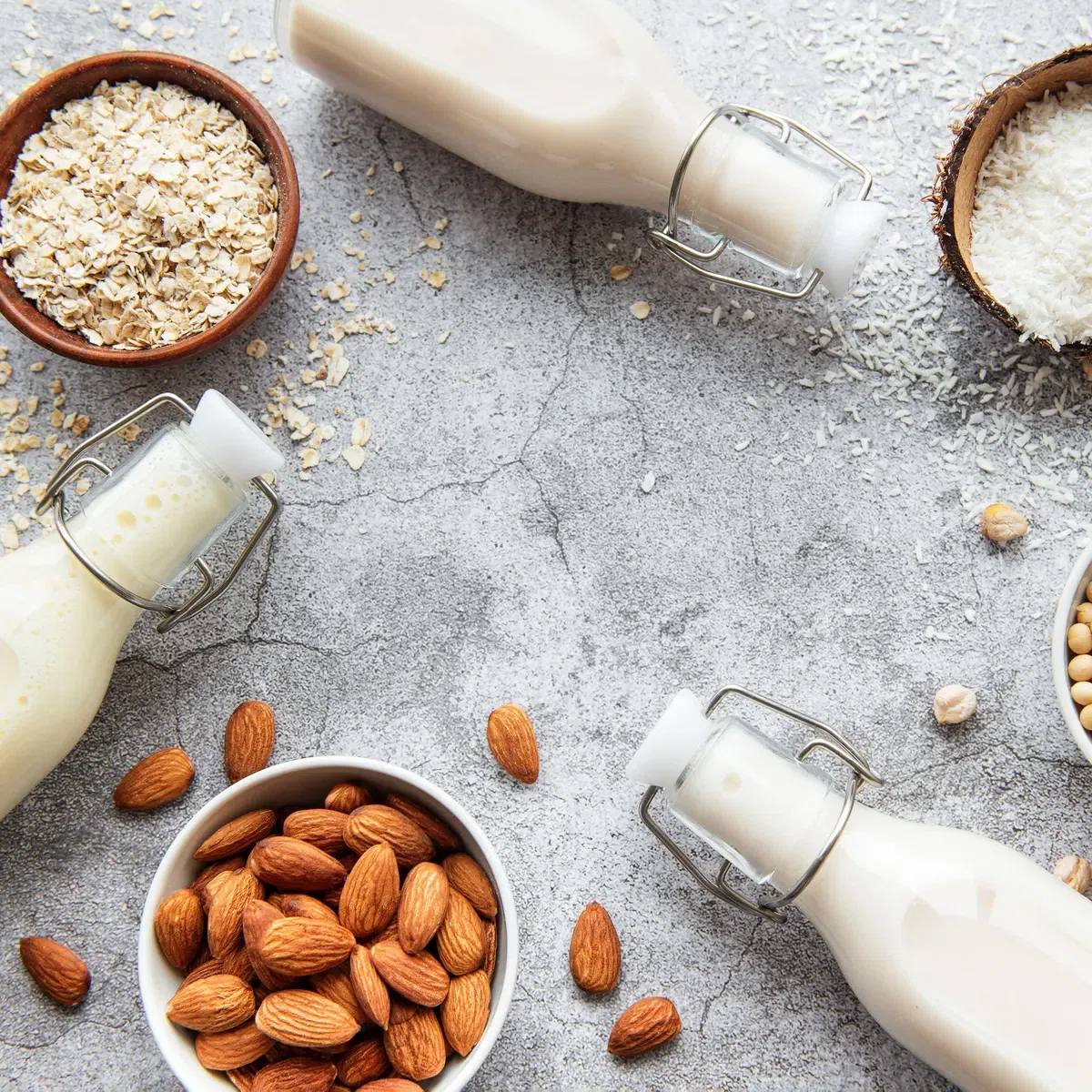
Replacing dairy products with plant-based alternatives like oat or almond milk could lead to deficiencies in iodine, calcium, riboflavin and vitamin B12. Researchers from the University of Surrey and Queen's University Belfast found that even modest replacements of dairy intake with plant-based alternatives led to declines in these four micronutrients.
The study, published in Lancet Planetary Health, examined 146 non-dairy milks, 76 yoghurts and 67 cheeses. While 61% of these items had added calcium and 46% had added vitamin B12, only 19% were fortified with riboflavin and 12% with iodine.
Replacing 20% to 35% of dairy intake with plant-based alternatives would increase iodine inadequacy among adolescent girls from 54% to 65% and among women aged 19 to 49 from 32% to 42%. If all dairy was replaced, inadequate iodine levels could reach 80% in teenage girls and 72% in teenage boys.
Dr Sarah Bath, an associate professor in public health nutrition at the University of Surrey, said the population groups at highest risk are young women and women of childbearing age. Iodine is used by the thyroid gland to produce hormones that regulate metabolism and support healthy growth and brain development.
Mandatory fortification of plant-based dairy alternatives and iodine-fortified bread could be an effective strategy to reduce iodine inadequacy. Currently, there is no formal requirement in the UK for plant-based milk alternatives to be fortified with micronutrients.
Nichola Ludlam-Raine, a spokesperson for the British Dietetic Association, said the research raises an important population-level concern but noted that overall diet matters. She recommended that anyone choosing plant-based milk check labels for iodine fortification.
Key facts
- Replacing 20% to 35% of dairy with plant-based alternatives increases iodine inadequacy in adolescent girls from 54% to 65%.
- Only 12% of the plant-based items studied were fortified with iodine.
- Mandatory fortification of plant-based alternatives and bread could lessen the risk of iodine deficiency.
Three perspectives
Neutral
Researchers found that replacing dairy with plant-based alternatives can lead to declines in several micronutrients, particularly iodine.
Positive
Mandatory fortification of plant-based dairy alternatives and iodine-fortified bread could prevent these declines.
Negative
If all dairy is replaced with plant-based alternatives, inadequate iodine levels could reach 80% in teenage girls.
Your week in news, every Wednesday
The biggest stories of the week for your edition, in your inbox every Wednesday morning, your time. Free, and you can unsubscribe at any time.