

 Australia
Tasmanian government rejects moratorium on new AI data centres
The government declined a non-binding motion passed by the lower house to pause major AI data centre projects.
 Politics Desk 2 min read
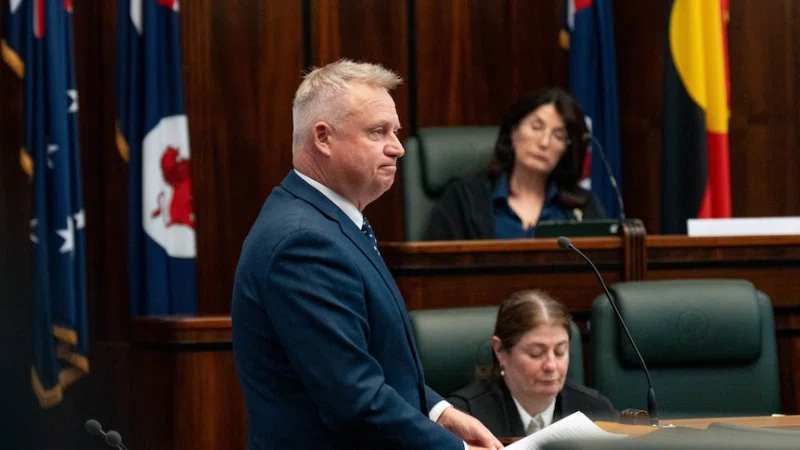
The Tasmanian government has rejected a non-binding moratorium on new AI data centres that passed the state's lower house yesterday. The motion passed with 17 votes to 13, with support from Labor, the Greens, and six independents.
Premier Jeremy Rockliff said the government will not enact the moratorium, warning that halting data centre proposals would "grind the state to a halt". He stated that the industry represents a clean opportunity for growth that will fund essential services by purchasing Hydro and state power.
Energy Minister Nick Duigan said the sector is a "profound opportunity" and that the government expects centres to be managed in a way that does not threaten energy security. He noted that the Firmus opportunity would make them the state's largest energy consumer, but they are paying market rates and upfront transmission costs.
Independent MP George Razay questioned if the state has the infrastructure to support the centres, noting that an extra 500 megawatts of demand would require 1,500 megawatts of wind generation. This amount of wind power is three times the current installed wind capacity in Tasmania.
Community opposition has been raised regarding noise, water and electricity usage, environmental impacts, and a lack of transparency. Residents near a proposed site in Wesley Vale are currently protesting the development.
Firmus Technologies is constructing an AI data centre at St Leonards, Launceston, and has plans for two more sites in Wesley Vale and Long Reach.
Key facts
- The lower house passed a non-binding moratorium on new AI data centres with 17 votes to 13.
- Premier Jeremy Rockliff rejected the moratorium, stating it would kill an opportunity for growth.
- Firmus Technologies is building a data centre in Launceston with plans for two more in the state's north.
Three perspectives
Neutral
The Tasmanian government has refused to implement a non-binding motion passed by the lower house to pause major AI data centre projects.
Positive
Premier Jeremy Rockliff said the new industry would provide hundreds of millions of dollars to Hydro Tasmania, Tasnetworks, and the state economy.
Negative
Local communities have expressed concerns regarding the environmental impact, noise, and electricity usage of the proposed developments.
Your week in news, every Wednesday
The biggest stories of the week for your edition, in your inbox every Wednesday morning, your time. Free, and you can unsubscribe at any time.