 Australia
UK and EU agree new deals in Brussels as Burnham seeks closer ties
Leaders agreed deals on student travel, food exports and carbon trading, with final parliamentary approval still required.
 Politics Desk 2 min read
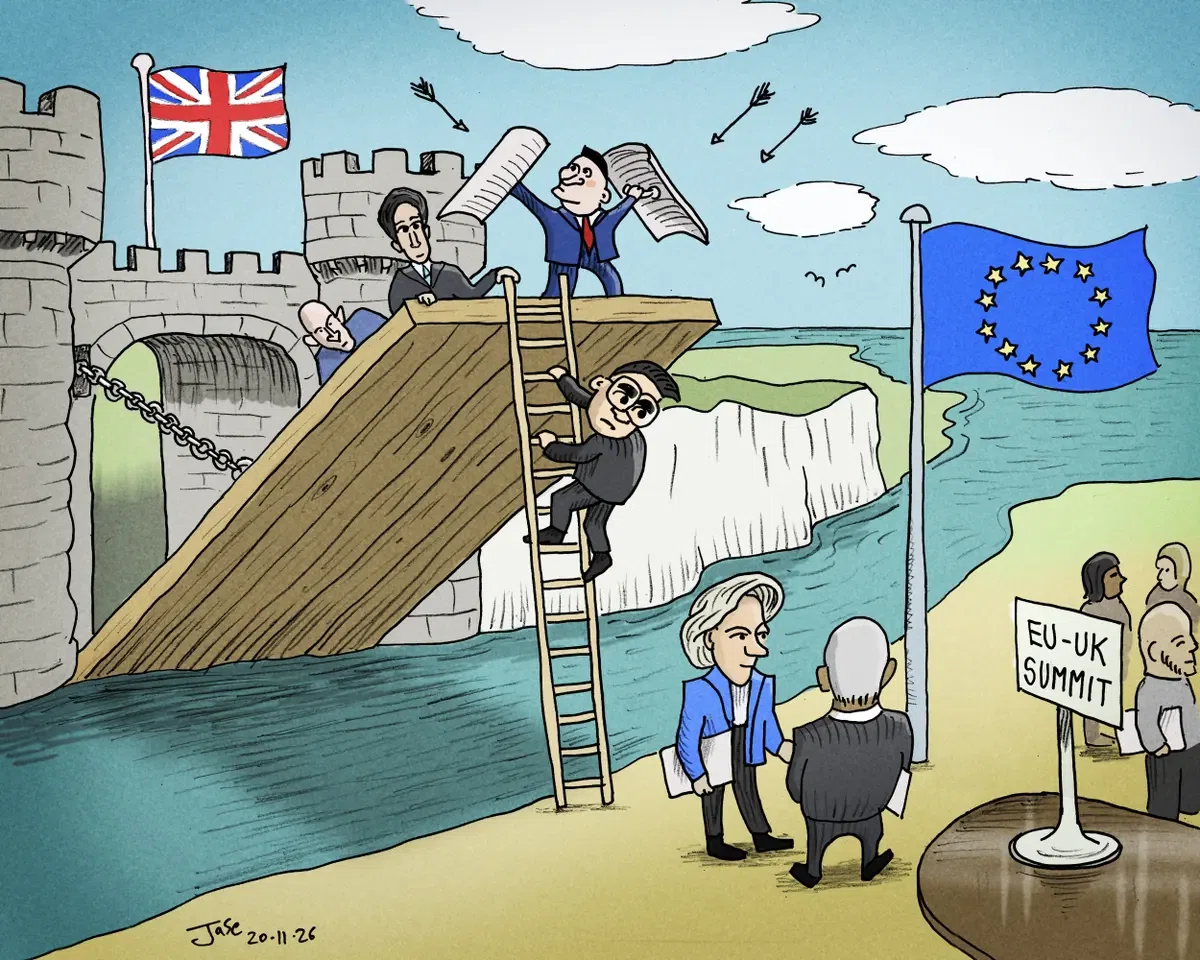
Britain and the European Union have agreed several new deals in Brussels, as United Kingdom Prime Minister Andy Burnham tries to reshape his country's relationship with its closest neighbours.
Tuition fees charged to European students in the UK remain a sticking point. A food deal would cut paperwork and remove routine border checks for farmers and retailers exporting to the continent, and a separate carbon agreement would link UK and EU emissions trading schemes.
Mr Burnham said the deals could add 0.5 per cent to the UK's GDP. He told a news conference that "People can see the status quo is not working." He described the past 10 years since the Brexit referendum as "a decade of drift".
The agreements still require final approvals in the UK and EU parliaments. Mr Burnham said he would seek "informal brainstorming" about the long-term relationship with colleagues in Europe in the next year.
Opposition to closer ties remains strong. Nigel Farage told LBC the deal was "not a reset, it's a reverse". Kemi Badenoch has previously said rejoining the EU will not "solve all our problems". Mr Costa said Mr Burnham was "always welcome" in the EU.
Key facts
- The new deals are expected to be in place by March 2028.
Three perspectives
Neutral
Britain and the European Union agreed several deals at a Brussels summit attended by Andy Burnham, Ursula von der Leyen and António Costa.
Positive
The deals would remove Brexit red tape for some students, farmers and businesses on both sides of the channel.
Negative
Nigel Farage said the deal was "not a reset, it's a reverse" and that Mr Burnham had "no mandate whatsoever".
Your week in news, every Wednesday
The biggest stories of the week for your edition, in your inbox every Wednesday morning, your time. Free, and you can unsubscribe at any time.