 New Zealand
National Plans Drug Tests
National's plan to introduce random drug testing for jobseekers has received public backing, but critics argue it fails to address the root causes of unemployment. The plan will cost $1.5 million a year to test 10,000 jobseekers.
 Politics Desk 2 min read
National's plan to introduce random drug testing for jobseekers has received public backing. The party's proposal would see 10,000 jobseekers tested at a cost of $1.5 million a year.
The plan has been met with criticism from some, who argue it fails to address the root causes of unemployment. Unemployment has risen to 5.6% in the June quarter, the highest in over a decade, with 171,000 people out of work.
Christopher Luxon has previously told unemployed school leavers to 'get off the couch, stop playing PlayStation and go find a job'. David Seymour has also backed the drug testing policy, describing the alternative to work as 'getting stoned, staying in bed'.
Critics argue that high unemployment is a result of economic factors, rather than personal failings. The building industry is in a deep slump, and the government's decision to scrap almost 3,500 Kāinga Ora homes has exacerbated the problem.
The government's plan to cut nearly 9,000 public service jobs by 2029 has also been cited as a factor contributing to high unemployment. Public servants are spending less as they wait to find out if they will be next to lose their jobs.
Random drug testing is not a new requirement for jobseekers, as they already have to pass a drug test for any job that requires one. It is expected that the tests will find very few positive results.
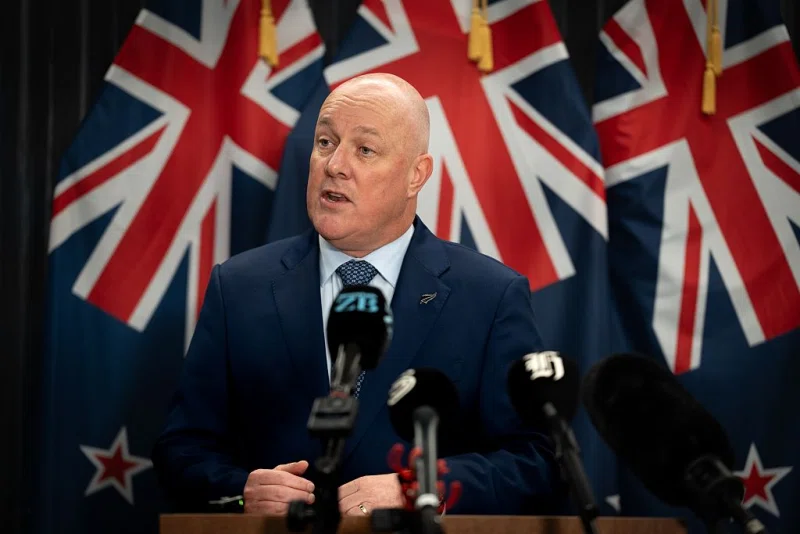
Louise Upston and Christopher Luxon are key figures in National's plan to introduce random drug testing for jobseekers.
Key facts
- National's plan to introduce random drug testing for jobseekers has received public backing
- The plan will cost $1.5 million a year to test 10,000 jobseekers
- Unemployment has risen to 5.6% in the June quarter, the highest in over a decade
- 171,000 people are out of work
Three perspectives
Neutral
The plan has received public backing, but critics argue it fails to address the root causes of unemployment. The economic factors contributing to high unemployment need to be considered. The outcome of the plan will depend on its implementation and effectiveness.
Positive
The plan may help to identify and support jobseekers who are struggling with drug addiction. It may also encourage jobseekers to seek help and address any underlying issues that may be preventing them from finding work.
Negative
The plan has been criticized for being overly punitive and failing to address the root causes of unemployment. It may also be seen as a way to shift the blame from the government's economic policies to the individual jobseekers.
Your week in news, every Wednesday
The biggest stories of the week for your edition, in your inbox every Wednesday morning, your time. Free, and you can unsubscribe at any time.