Seniors can maintain independence through protein and resistance exercise
Experts suggest seniors consume 1.2g of protein per kilogram of body weight daily and engage in resistance activity to prevent frailty and muscle loss.
 Health Desk 2 min read
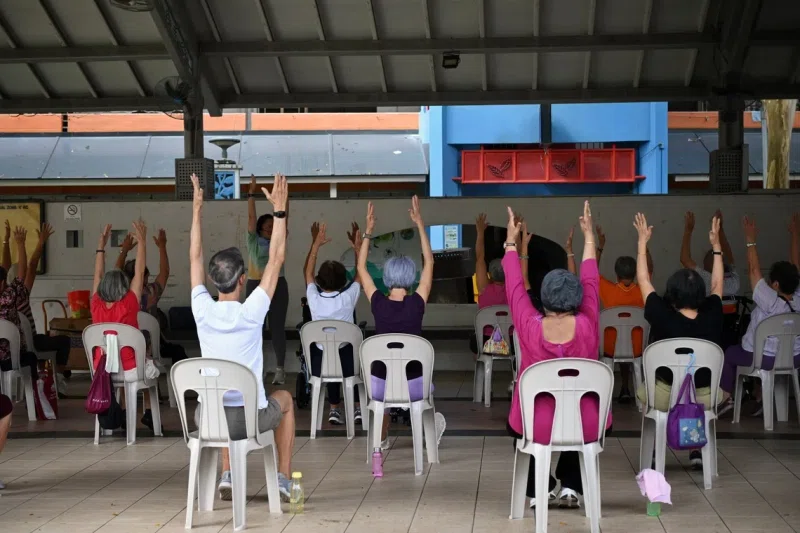
Seniors can fight frailty and maintain independence by combining increased protein intake with regular physical activity.
Rachel Ngo, director of the physical activity and healthy ageing division at the Health Promotion Board, said seniors require about 1.2g of protein per kilogram of body weight daily. For a person weighing 60kg, this is approximately 72g of protein per day, compared to the 0.8g per kilogram required by younger adults aged 18 to 49.
To meet these needs, Ngo suggested building about 25g of protein into each meal using lean meats, fish, tofu, or beans instead of processed options. Adding one egg provides 6g to 7g of protein, while a serving of tofu adds 7g to 20g.
Samuel Chew, a senior consultant in geriatric medicine at Changi General Hospital, said protein stimulates muscle protein synthesis, but combining it with resistance exercise creates a better synergy for stronger muscles. He advised starting with small movements at home, such as 20 sit-to-stand chair squats a day.
For lasting improvements, Chew said seniors should work up to exercises using at least 40 per cent of their one-repetition maximum weight. Lim Jun Pei, a senior consultant in geriatric medicine at Tan Tock Seng Hospital, noted that families should watch for warning signs like unsteady walking, falls, weak legs, or trouble standing.
Lim added that physical limits and brain health are linked, noting that patients with unsteady gait and frequent falls often have cognitive concerns. Soh Swee Ping, chief of the active ageing division at the Agency for Integrated Care, said seniors can benefit from staying connected through community facilities like active ageing centres.
Key facts
- Seniors aged 50 and above are advised to consume extra protein to slow age-related muscle loss.
- Seniors require approximately 1.2g of protein per kilogram of body weight daily.
- Resistance exercise at 40 per cent of a person's one-repetition maximum can provide measurable improvements.
Three perspectives
Neutral
Experts recommend a combination of specific protein targets and resistance exercises to manage muscle strength in older adults.
Positive
Consistent daily habits and community support can help seniors stay active and improve their quality of life.
Negative
Seniors often consume less protein than required and may mistakenly believe that meat-based protein is bad for them.
Your week in news, every Wednesday
The biggest stories of the week for your edition, in your inbox every Wednesday morning, your time. Free, and you can unsubscribe at any time.