

 Zimbabwe
Oklahoma Asteroid Crater Linked to Mass Extinction
A hidden asteroid crater under Oklahoma could be connected to one of Earth's major mass extinctions, with new research suggesting it is 100 million years younger than previously thought. The crater's new age ties it to the Late Devonian mass extinction that wiped out an estimated 40% of all marine life on Earth.
 Global Newsflix 2 min read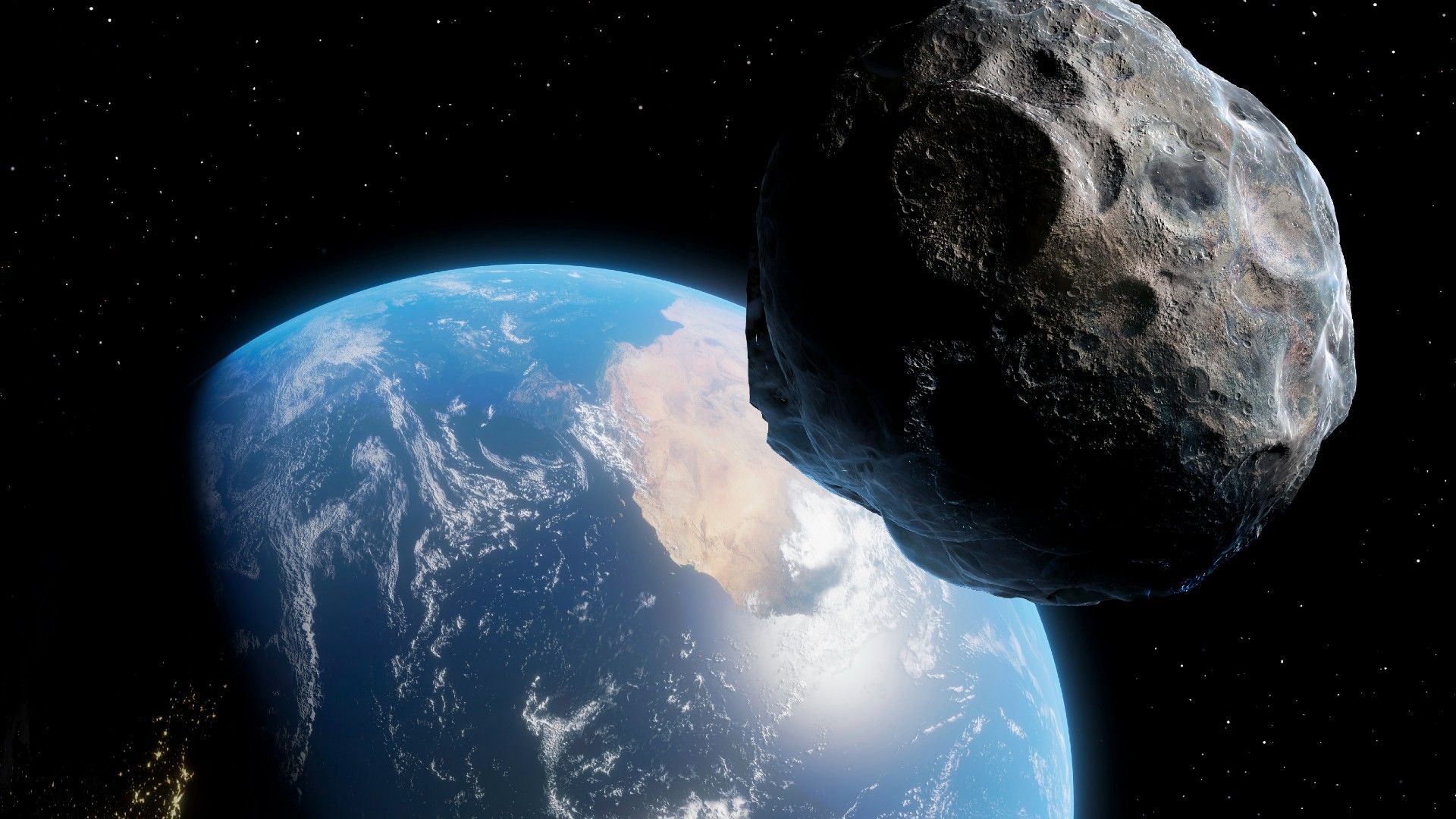
Researchers at The University of Texas at Austin have revised the age of a meteor impact structure in Oklahoma, placing it at around 370 million years ago during the Late Devonian period. This is nearly 100 million years younger than previously believed.
The team, led by Elizabeth Catlos, used zircon dating to determine the age of the crater, which is located beneath the town of Ames. The crater is a significant producer of oil and gas.
The new age of the crater means it could not have formed during the Ordovician Meteor Event, as previously thought. Instead, it is now believed to be close to the Frasnian-Famennian mass extinction event, which occurred around 372 million years ago.
The Frasnian-Famennian mass extinction event wiped out a large proportion of marine life on Earth, with an estimated 40% of all marine species becoming extinct. The new research suggests that the Oklahoma crater may have played a role in this event.
The researchers used zircon U-Pb dating, which is considered one of the most accurate ways to determine the age of events deep in Earth's past. The zircon crystals can preserve microscopic structures created by the intense pressure and heat generated by the meteor impact.
The study's findings have significant implications for our understanding of the history of life on Earth. The research was published in July in Meteoritics & Planetary Science.
Danny Stockli, a co-author of the study, said that the zircon dating provides a very different timeline for the crater's formation. The previous age of the crater was based on biological evidence, including the presence of ancient fossils.
The new research highlights the importance of using multiple dating methods to determine the age of geological events. It also shows the need for further research into the impact of meteorites on the Earth's ecosystem.
Key facts
- The Oklahoma asteroid crater is 100 million years younger than previously thought
- The crater is now believed to have formed around 370 million years ago during the Late Devonian period
- The crater is a significant producer of oil and gas
- The new age of the crater links it to the Frasnian-Famennian mass extinction event
Three perspectives
Neutral
The research provides new insights into the history of life on Earth and the impact of meteorites on the planet's ecosystem. Further research is needed to fully understand the implications of the findings. The study's results are based on a thorough analysis of the available data.
Positive
The new research highlights the importance of continued exploration and study of the Earth's geological history. The findings have significant implications for our understanding of the history of life on Earth and the impact of meteorites on the planet's ecosystem. The study demonstrates the value of interdisciplinary research and collaboration.
Negative
The revised age of the crater raises questions about the accuracy of previous research and the methods used to date geological events. The findings may also have implications for the oil and gas industry, which relies heavily on the crater as a source of fossil fuels. The study's results may be subject to further revision as new data becomes available.
Your week in news, every Wednesday
The biggest stories of the week for your edition, in your inbox every Wednesday morning, your time. Free, and you can unsubscribe at any time.